Introduction
Imagine stepping into your backyard, the sun shining down, and your dog happily bounding around, sniffing the flowers. You want a garden that’s both beautiful and safe for your pets. A pet friendly garden design balances aesthetics with functionality, ensuring your furry friends have a safe space to play while you enjoy the beauty of nature.
This article will guide you through the essential components of creating a pet friendly garden. You’ll learn about suitable plants, effective barriers, and design tips that will keep your garden thriving while being safe for your pets. With these insights, you can turn your outdoor space into a haven for both you and your pets.

MTB Supply
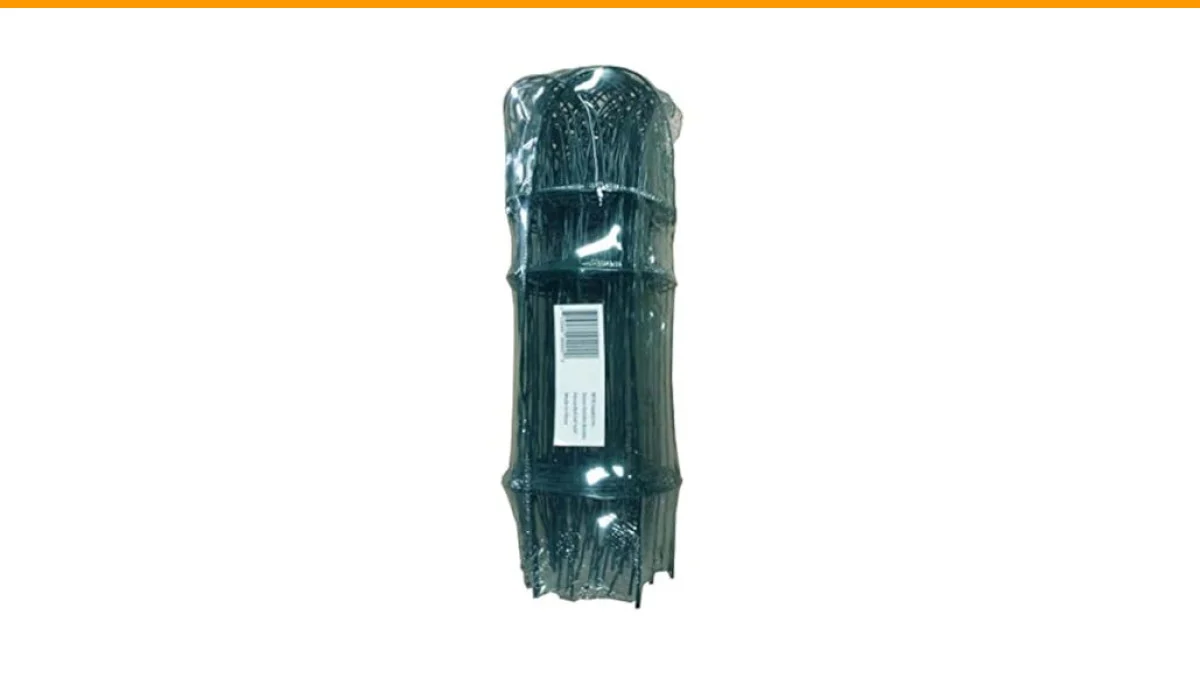
14 inch(H) x 20 feet(L) Green Garden Border Edging Folding Fence Roll Scroll Top Rolled Yard Fencing Garden Fence, Metal Wire Garden Fence for Outdoor,Yard Landscape Patio,Flower Bed Edging
- Size & Material: MTB Garden fence border is made of thick wire welded, the surface is 100% rustproof and durable. Pack of 1. Overa…
- Decorative and Rustproof: The classic arched design adds a modern touch to your garden, backyard, front yard, patio or yard. The r…
- Multi-Purpose: Use MTB fence to keep small animals away from your plants, vegetable, this may not stop large dogs from digging all…
To help you define your garden space, consider using products like the MTB Green Garden Border Edging Folding Fence Roll. This decorative fence not only adds charm but also serves as a practical barrier, keeping small animals away from your plants.
Choosing the Right Plants
When designing a pet friendly garden, plant selection is crucial. Many common garden plants can be toxic to pets. Here are some pet safe options:
- Sunflowers: Bright and cheerful, sunflowers are non-toxic to dogs and cats.
- Marigolds: These vibrant flowers deter pests while being safe for pets.
- Spider Plants: Not only are they safe, but they also purify the air.
- Catnip: A favorite among felines, this herb is safe and enjoyable for cats.
Conversely, avoid plants like azaleas, lilies, and oleander, which can be harmful. Always double-check plant toxicity databases, such as those provided by the ASPCA, to ensure safety.
Creating Safe Spaces with Barriers
Implementing barriers is vital in a pet friendly garden design. Fencing not only provides a boundary for pets but also protects delicate plants. Here are some effective methods:
- Fencing: A fence like the MTB Garden Border provides a physical barrier that can deter small animals and keep pets within safe zones. At 14 inches high, it defines boundaries without obstructing your view.
- Hedges: Dense hedges can act as natural barriers, but ensure they are also pet-friendly plants.
- Ground Cover: Use non-toxic ground cover plants to fill gaps and create a soft landing for pets.
While a strong fence is essential, remember to check for gaps where pets may escape. Regular maintenance is key to keeping your garden secure.
Design Principles for Pet Friendly Gardens
Designing a garden that accommodates pets requires thoughtful planning. Here are some principles to consider:
- Open Space: Leave ample open areas for pets to roam and play. Avoid overcrowding with too many plants or decor.
- Durable Materials: Use hardscaping materials like stone or gravel that can withstand digging and rough play.
- Shade and Shelter: Provide shaded areas where pets can cool off. Consider pet-friendly shelters or shaded spots created by trees or structures.
Incorporating these design elements creates an inviting atmosphere for both pets and humans, ensuring everyone feels at home.
Comparison Table of Pet Safe Plants
| Plant Name | Type | Toxicity |
|---|---|---|
| Sunflowers | Flower | Non-toxic |
| Marigolds | Flower | Non-toxic |
| Spider Plant | Foliage | Non-toxic |
| Catnip | Herb | Non-toxic |
| Lilies | Flower | Toxic |
| Oleander | Shrub | Toxic |
| Azaleas | Shrub | Toxic |
Frequently Asked Questions
What are some non-toxic plants for dogs?
Safe plants for dogs include sunflowers, marigolds, and spider plants. Always confirm with a toxicity database.
How can I keep my dog from digging in the garden?
Provide designated play areas and use barriers. Consider using plants dogs dislike, such as citrus-scented options.
Are there any flowers that are safe for cats?
Marigolds and catnip are great flower options for cat owners. They add color without risk.
What type of fencing is best for a pet friendly garden?
Metal wire fencing, like the MTB Garden Border, offers durability and visibility, making it a solid choice.
How can I design a garden for both pets and children?
Focus on open spaces, non-toxic plants, and secure barriers. Create zones for each group to play safely.
Final Recommendations
- Choose non-toxic plants to foster a safe environment.
- Install effective barriers to protect plants and pets.
- Design open spaces for pets to play freely.
- Incorporate durable materials in your garden layout.
- Regularly check plants for toxicity and maintenance needs.
- Consider your pets’ behaviors when planning your garden’s layout.
- Explore more gardening tools suitable for pet friendly designs.