Container Gardening for Beginners: Your Complete Guide
Contents
Getting Started with Container Gardening
Imagine stepping outside to find a vibrant array of flowers and vegetables flourishing on your patio, balcony, or even windowsill. Container gardening offers a perfect solution for those with limited space or poor soil conditions. It allows you to cultivate plants in a controlled environment, making it easier to manage their needs.
In this article, you’ll discover the fundamentals of container gardening for beginners, including how to choose the right containers, what soil to use, and the best plants for your space. By the end, you’ll be well-equipped to start your own beautiful container garden.
Bonviee
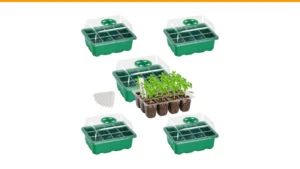
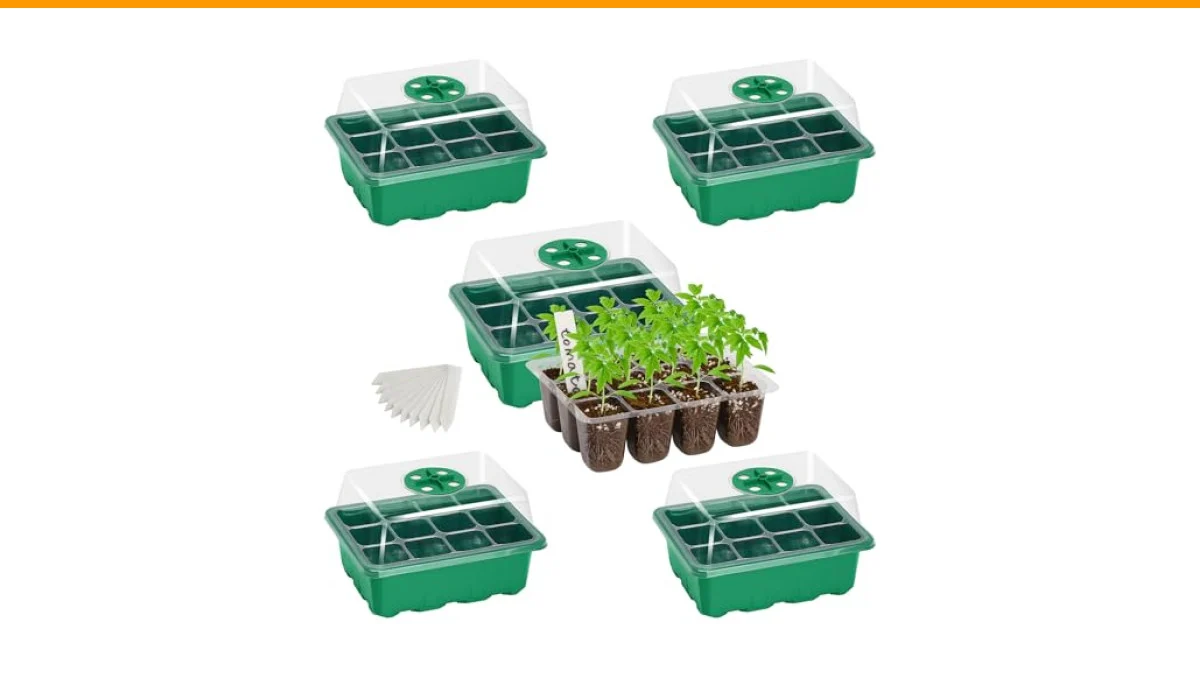
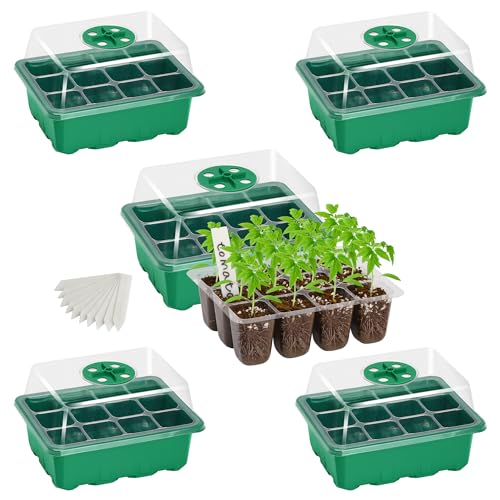
Bonviee 5-Pack Seed Starter Trays, Humidity Dome, Base, 12-Cell Tray, Green
- 【Keep an eye on your plant】: The only design in the market- High quality clear plastic trays of this seed grow kit make it easier…
- 【Total control】: Adjustable vents of this seed trays allow you to regulate the temperature and humidity of your seedling environme…
- 【Perfect for the heat mat】: With its excellent resistance to high and low temperature, these seedling trays are strong enough to b…
To help you on your journey, consider using the Bonviee 5-Pack Seed Starter Trays. These trays come with a humidity dome and adjustable vents, providing an ideal environment for starting your seeds.
Choosing the Right Containers
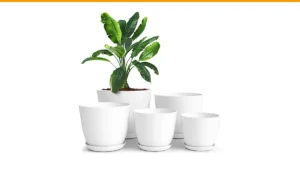
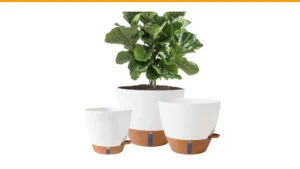
Picking the right container is crucial in container gardening. The size, material, and drainage capabilities of your container will affect how well your plants thrive. Here’s what to consider:
- Size: For most vegetables and flowers, containers should be at least 12 inches in diameter. Larger plants like tomatoes or peppers may require even bigger pots.
- Material: Containers come in various materials, including plastic, clay, and metal. Clay pots are porous and allow for good air circulation, while plastic pots retain moisture better.
- Drainage: Ensure your containers have drainage holes. Proper drainage prevents root rot and promotes healthy growth.
Soil Selection for Container Gardening
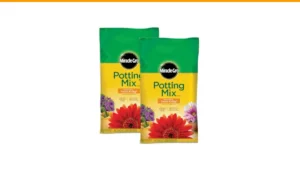
The type of soil you use can significantly impact the success of your container garden. Standard garden soil is too dense for pots and can lead to poor drainage. Instead, opt for a high-quality potting mix. Look for mixes that:
- Are lightweight and well-aerated
- Contain organic materials like peat moss or coconut coir
- Include perlite or vermiculite for improved drainage
Mixing in some compost can also provide essential nutrients. Aim for a soil pH between 6.0 and 7.0 for most vegetables and flowers.
Choosing the Right Plants
When it comes to container gardening for beginners, selecting the right plants is key. Here are some beginner-friendly options:
- Herbs: Basil, parsley, and chives thrive in containers and are perfect for cooking.
- Vegetables: Consider growing lettuce, radishes, or cherry tomatoes, which do well in limited space.
- Flowers: Marigolds, petunias, and geraniums add color and can attract beneficial insects.
When planting, group your plants according to their sunlight and water needs. This will simplify care and ensure that all plants receive adequate resources.
| Plant Type | Sun Requirements | Water Needs |
|---|---|---|
| Herbs | Full Sun (6+ hours) | Moderate |
| Vegetables | Full Sun | High |
| Flowers | Partial to Full Sun | Moderate |
Common Questions about Container Gardening
What size container should I use for vegetables?
A container size of at least 12 inches in diameter is recommended for most vegetables. Larger plants may require even bigger pots to accommodate root growth.
How often should I water my container garden?
Watering frequency varies based on the plant type and container size. Generally, containers dry out more quickly than garden beds, so check the soil daily and water when the top inch feels dry.
Can I use regular garden soil in pots?
No, standard garden soil is too dense for containers. Use a high-quality potting mix designed for container gardening.
What are the best vegetables to grow in containers?
Beginner-friendly vegetables include lettuce, radishes, and bush varieties of tomatoes. These can thrive in smaller spaces and are generally easier to manage.
How do I fertilize my container plants?
Use a balanced, slow-release fertilizer every 4-6 weeks. Liquid fertilizers can also be applied every couple of weeks to provide additional nutrients.
Final Thoughts on Container Gardening
- Choose containers with proper drainage to prevent root rot.
- Opt for high-quality potting soil for optimal plant growth.
- Select beginner-friendly plants that fit your sunlight and water availability.
- Monitor your plants regularly for signs of stress or pests.
- Use the Bonviee Seed Starter Trays for easy seed germination.
- Keep a gardening journal to track your plants’ progress and note what works.
- Enjoy the process and have fun experimenting with different plants and layouts.