Many gardeners face a dilemma: how to make a shaded area of the yard flourish. Whether it’s a cozy patio corner or a shaded balcony, plants can bring life to these underutilized spaces. However, selecting the right shade container garden plants makes all the difference. The right choices can transform your dimly lit areas into vibrant displays of color and texture.
This article will guide you through the best shade container garden plants, practical tips for care, and how to create a captivating display in your outdoor spaces. Readers will walk away with actionable insights on what to plant and how to maintain these beautiful arrangements.

CZ Grain
6 Crimson Sky Caladium Bulbs for Planting, Red Foliage Tubers for Shade | Crimson Sky caladium • Red leaves with pink splotches, dark crimson veins and deep green margins • Compact growth | 6 bulbs
- RICHLY COLORED FOLIAGE: Crimson Sky caladium grows decorative red leaves with pink and green accents for warm season color. Use th…
- SIX TUBERS TO ARRANGE: Group the tubers in one appropriately sized container or divide them among a few smaller garden areas. In a…
- PLANT WHEN THE SOIL WARMS: Wait until frost has passed and garden soil is warm before planting outdoors. Place each tuber with its…
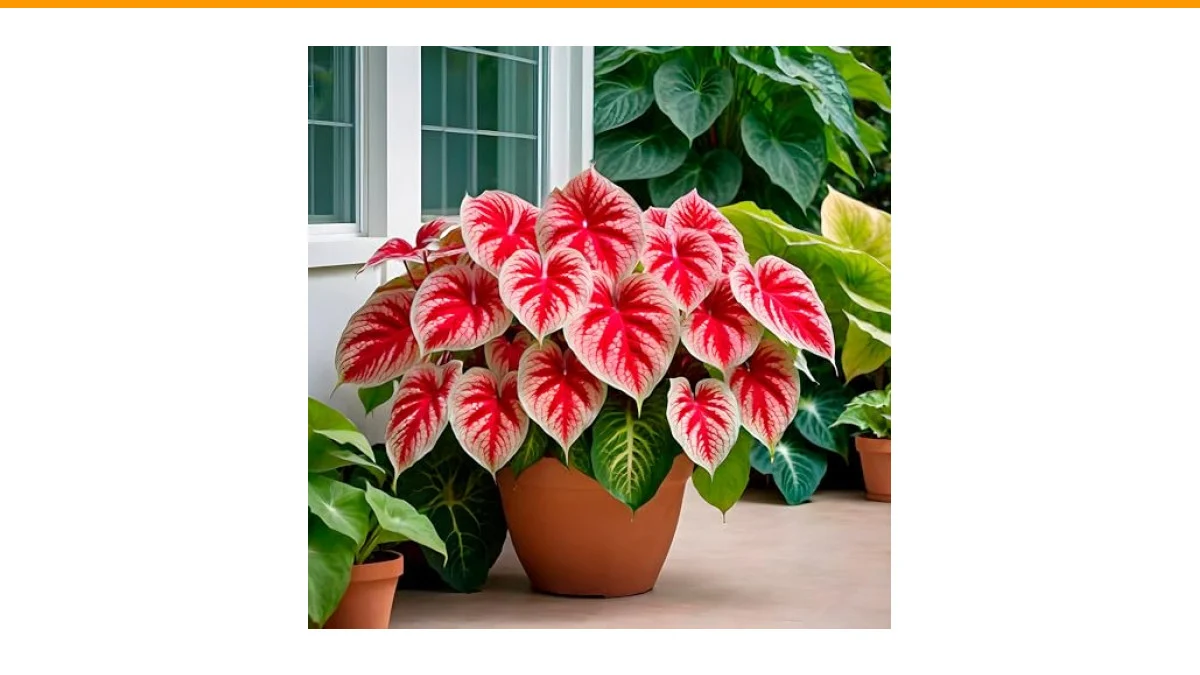
For those looking for a stunning addition to their shade containers, consider the 6 Crimson Sky Caladium Bulbs. These fancy perennial elephant ear plants thrive in shade and offer bold tropical colors that enhance any garden or container setting.
Choosing the Right Plants for Shade
Understanding the light conditions is key when selecting shade container garden plants. Shade can be categorized into different levels:
- Full Shade: Less than 3 hours of direct sunlight per day.
- Partial Shade: 3 to 6 hours of dappled sunlight or filtered sun.
- Filtered Sun: Bright, indirect light that may occur near the edges of shaded areas.
Recognizing these conditions will help you choose the right plants. For example, ferns and hostas thrive in full shade, while some flowering annuals, like impatiens, can handle partial shade. Always check the specific light requirements for each plant type to ensure success.
Best Plants for Shade Containers
When selecting plants, consider both foliage and flowers to create diverse textures and colors. Here’s a selection of standout shade container garden plants:
- Caladium: Known for their vibrant foliage, caladiums like the Crimson Sky variety are perfect for adding color to shady spots.
- Ferns: Varieties such as the Boston fern and maidenhair fern offer lush greenery and thrive in low light.
- Hostas: These hardy perennials come in various sizes and colors, providing beautiful leaf patterns and shades.
- Begonias: Available in many types, begonias produce colorful blooms that brighten up shaded areas.
- Impatiens: A classic choice for shaded gardens, these annuals burst with flowers and come in various colors.
Choosing a mix of these plants can create a visually appealing container garden that flourishes in the shade.
Container Care Tips for Shade Plants
After selecting your plants, proper care ensures they thrive. Here are some essential tips:
- Soil: Use a high-quality potting mix that retains moisture but drains well. Look for mixes specifically formulated for container gardening.
- Watering: Shade plants typically require less water than those in direct sunlight. However, monitor soil moisture and water when the top inch feels dry.
- Fertilizing: Feed your plants with a balanced, slow-release fertilizer every 4-6 weeks to support healthy growth.
- Pruning: Regularly remove dead or yellowing leaves to promote airflow and prevent diseases.
Following these tips can help maintain vibrant and healthy shade container plants.
| Plant | Light Preference | Water Needs | Height |
|---|---|---|---|
| Caladium | Partial to full shade | Moderate | 12-30 inches |
| Fern (Boston) | Full shade | Moderate to high | 24-36 inches |
| Hosta | Full shade | Moderate | 12-36 inches |
| Begonia | Partial shade | Moderate | 12-24 inches |
| Impatiens | Partial shade | High | 12-18 inches |
Common Questions About Shade Container Gardening
What types of soil are best for shade plants?
A well-draining potting mix that retains moisture is ideal. Look for mixes designed for container gardening, as they often contain components like peat moss and perlite.
How can I ensure my shade plants thrive?
Monitor their light conditions and adjust as needed. Ensure they receive adequate moisture and feed them with a balanced fertilizer throughout the growing season.
Can I mix different plants in one container?
Yes, mixing various plants can create visual interest. Just ensure the plants have similar light and water requirements for the best results.
How often should I water shade container plants?
Water when the top inch of soil is dry. Shade plants usually require less water than those in direct sunlight, but this can vary based on plant types and environmental conditions.
Can I grow vegetables in shaded containers?
Some vegetables, like leafy greens (e.g., spinach, lettuce) can grow in partial shade. However, most fruiting vegetables need more sunlight for optimal growth.
Take Action with Your Shade Container Garden
- Assess your shaded areas to determine light conditions.
- Select a variety of plants that thrive in shade, such as caladiums and ferns.
- Use high-quality potting mix for your containers.
- Water regularly but monitor for moisture levels.
- Feed your plants every few weeks with a balanced fertilizer.
- Prune dead leaves to promote healthy growth.
- Consider combining plants for a vibrant display.
With the right plants and care, your shade container garden can become a lush, vibrant oasis even in the dimmest corners of your outdoor space.