
Best Vegetables to Grow in Winter: A Comprehensive Guide
Contents
Winter gardening presents unique challenges, but it also offers exciting opportunities for those willing to brave the colder months. While many gardeners put their tools away as the temperatures drop, a select group of hardy vegetables can thrive, providing fresh produce just when you need it most. Imagine stepping into your garden and harvesting crisp greens or sweet root vegetables, even during a frost. This article will guide you through the best vegetables to grow in winter, ensuring you make the most of your cold-season gardening experience.
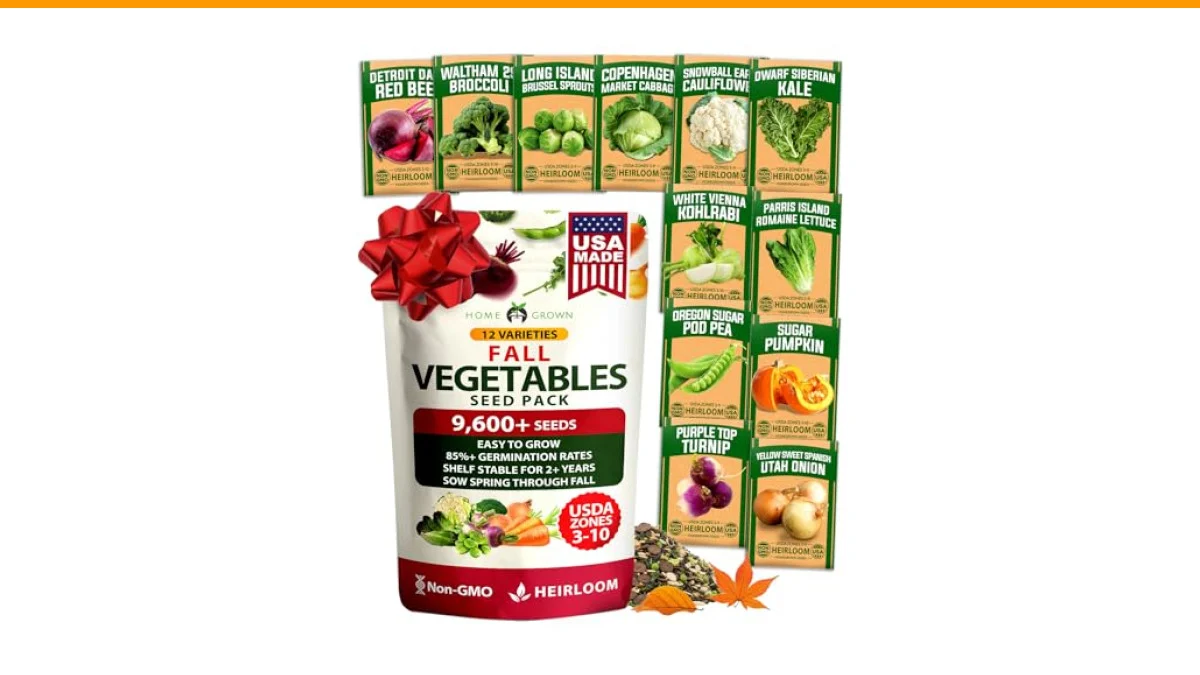
You’ll come away with a deep understanding of which vegetables can withstand the chill, how to properly care for them, and tips for maximizing your harvest. Additionally, consider the HOME GROWN 12 Fall Vegetable Varieties 9600+ Seeds Cool Season Mix. This curated collection makes it easy for you to start your cold-season garden with robust, cold-hardy varieties that are perfect for winter sowing.

HOME GROWN
HOME GROWN 12 Fall Vegetable Varieties 9600+ Seeds Cool Season Mix
- ABUNDANT AUTUMN & WINTER HARVEST: Unlock a generous bounty of the finest autumn and winter vegetables from our carefully curated c…
- TOP-TIER AMERICAN SELECTION: Featuring 12 top-performing, non-GMO American seed varieties known for exceptional germination, stron…
- NATURAL STRATIFICATION ADVANTAGE: Autumn planting offers the ultimate benefit of natural seed stratification. Crops develop far mo…
Understanding Winter Vegetables
Winter vegetables are typically classified as cold-hardy or frost-tolerant. Cold-hardy vegetables can survive temperatures as low as 20°F (-6°C), while frost-tolerant varieties can withstand light frosts without significant damage. Knowing the difference is critical for successful winter gardening.
These vegetables thrive in shorter daylight hours and cooler temperatures. The key to successful winter gardening lies in selecting the right varieties and understanding their specific growing conditions.
Top Vegetables to Grow in Winter
Here’s a list of some of the best vegetables to grow in winter, along with their ideal growing conditions.
- Kale: A nutrient powerhouse, kale can tolerate temperatures as low as 10°F (-12°C). Varieties like Siberian and Winterbor are especially hardy. Aim to plant kale in late summer or early fall for a winter harvest.
- Brussels Sprouts: These require a long growing season but are worth the wait. Plant seeds in mid-summer for a harvest that can extend into winter. They can withstand temperatures down to 20°F (-6°C).
- Carrots: Carrots become sweeter after exposure to frost. Plant them in late summer, and they can be harvested throughout winter. They can survive temperatures as low as 20°F (-6°C).
- Spinach: Spinach is surprisingly resilient, thriving in temperatures as low as 20°F (-6°C). Plant it in early fall, and you can enjoy fresh leaves throughout the winter.
- Garlic: Although technically planted in the fall, garlic can be harvested in late spring or early summer. It’s a great addition to any winter garden.
- Rutabaga: This root vegetable is hardy and can handle temperatures as low as 20°F (-6°C). Plant in late summer for a winter harvest.
- Swiss Chard: Chard can thrive in cold weather and is known for its vibrant colors. It can tolerate light frosts and can be harvested throughout the winter.
Growing Conditions for Winter Vegetables
While winter vegetables are hardier than their summer counterparts, they still require specific conditions for optimal growth:
- Soil Quality: Well-draining, fertile soil rich in organic matter is crucial. Consider adding compost to improve soil structure and nutrients.
- Sunlight: Most winter vegetables need at least 6 hours of sunlight daily. If planting in partial shade, ensure the selected varieties are adapted to those conditions.
- Watering: Winter gardens may require less water, but ensure the soil remains moist, especially during dry spells.
- Mulching: Use mulch to protect roots from freezing temperatures and to conserve soil moisture.
Comparison of Winter Vegetables
| Vegetable | Temperature Tolerance | Planting Time | Harvesting Time |
|---|---|---|---|
| Kale | 10°F (-12°C) | Late summer | Winter |
| Brussels Sprouts | 20°F (-6°C) | Mid-summer | Winter |
| Carrots | 20°F (-6°C) | Late summer | Winter |
| Spinach | 20°F (-6°C) | Early fall | Winter |
| Garlic | – (Fall planting) | Fall | Late spring |
| Rutabaga | 20°F (-6°C) | Late summer | Winter |
| Swiss Chard | Light frost | Fall | Winter |
Frequently Asked Questions
What is the best time to plant winter vegetables?
Most winter vegetables should be planted in late summer or early fall, giving them time to establish before the coldest months arrive.
Can I grow vegetables in a greenhouse during winter?
Yes, a greenhouse can provide a controlled environment, allowing you to grow a wider variety of vegetables throughout the winter.
How do I protect my winter vegetables from frost?
Using row covers, cloches, or mulch can help shield your plants from frost damage. Covering them during particularly cold nights is beneficial.
Are there any vegetables that are not suitable for winter growing?
Most summer vegetables, like tomatoes and peppers, are not suitable for winter growing due to their sensitivity to cold temperatures.
How do I know when to harvest winter vegetables?
Harvest time varies by vegetable. Typically, root vegetables are ready when they reach a desirable size, while leafy greens can be harvested as needed.
Final Thoughts for Winter Gardening
- Select cold-hardy vegetables that thrive in lower temperatures.
- Plant in late summer or early fall for optimal winter harvests.
- Ensure soil quality is rich and well-draining.
- Utilize mulch to protect roots and retain moisture.
- Consider using a greenhouse for extended growing seasons.
- Stay informed about the specific needs of each vegetable variety.
- Consult resources on indoor gardening for a broader range of options.


