
Fall Vegetable Garden Planting Guide
Contents
Growing a Fall Vegetable Garden: A Comprehensive Guide
As the days shorten and temperatures cool, many gardeners face the end of the growing season. But with the right planning, autumn can be the perfect time to cultivate a bountiful vegetable garden. Imagine stepping outside to harvest fresh produce even as the leaves change color. This article is your go-to resource for a successful fall vegetable garden planting guide, covering everything from crop selection to planting schedules.
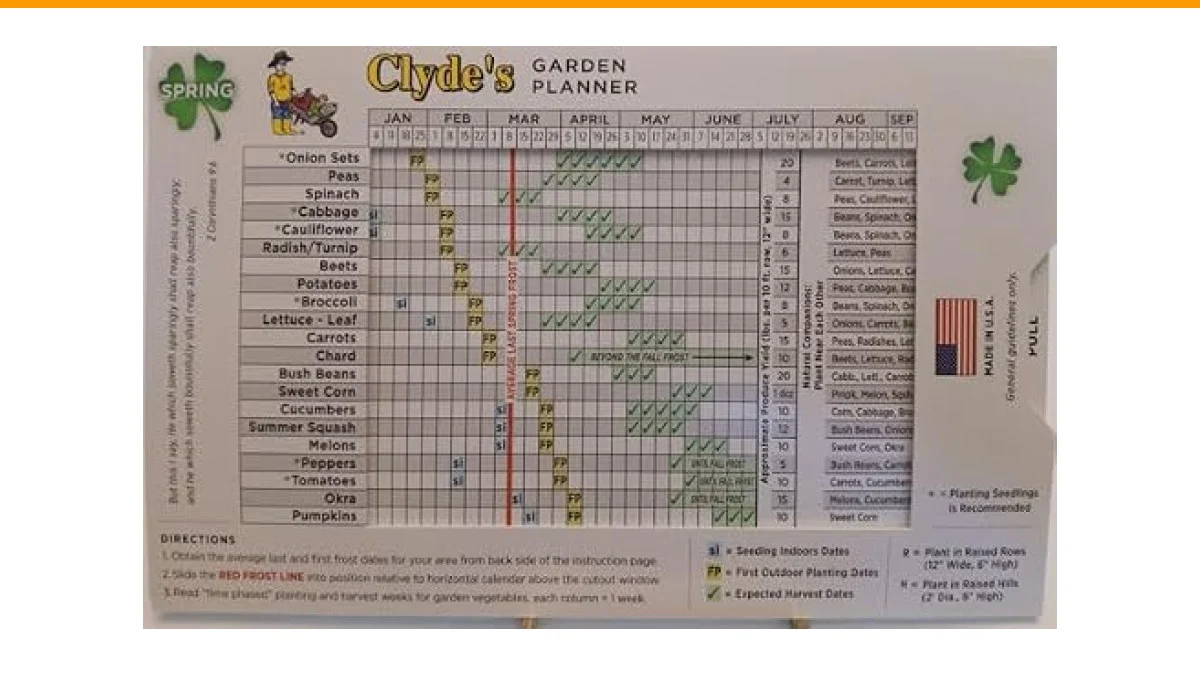
You’ll learn how to extend your gardening season, which vegetables thrive in cooler weather, and practical tips to optimize your fall garden. Additionally, you’ll find insights on tools that can help streamline your planting process. For instance, the CDM Planning Clyde’s Garden Planner is an excellent resource. This vegetable planting slide chart provides detailed seeding dates for various veggies while also including local frost dates and essential growing information.
CDM Planning
CDM Planning Clyde's Garden Planner - Vegetable Planting Slide Chart, (UNDATED), Perpetual Garden Planner
- Chart Provides Both Indoor and Outdoor Seeding Dates for 22 Commonly Grown Garden Veggies, (Chart Size = 51/8" x 81/2", 12 Point C…
- Comes with listing of Local Spring & Fall Frost Dates, USA and Canada (Has a Sliding Frost Line)
- Gives Seed Quantity, Seeding Dimensions: Planting Depths, Distance Between Rows & Between Plants, Essential Tool for any Gardener,…
Understanding Fall Planting Conditions
Fall gardening requires a different approach compared to spring planting. Cooler temperatures and shorter days mean that some vegetables thrive while others may struggle. It’s essential to consider the following factors:
- Frost Dates: Knowing the first average frost date in your area is crucial for timing your planting. In most regions, fall crops should be planted about 4-10 weeks before this date.
- Soil Temperature: Many fall vegetables prefer cooler soil, ideally between 50°F to 75°F. You can use a soil thermometer to determine the right conditions.
- Sunlight: Autumn days are shorter. Ensure your garden is in a location where it receives at least 6 hours of sunlight daily.
Choosing the Right Vegetables for Fall
Not all vegetables fare well in cooler temperatures. Here’s a list of recommended crops for fall planting:
- Leafy Greens: Spinach, kale, and Swiss chard can be sown directly into the soil. They can tolerate frost and often taste sweeter after a frost.
- Root Vegetables: Carrots, beets, and turnips can be planted in late summer and harvested in the fall. These vegetables benefit from cooler weather and can be left in the ground until needed.
- Brassicas: Broccoli, cabbage, and Brussels sprouts are sturdy choices that thrive in cooler temperatures. Start these indoors and transplant them outside for best results.
- Garlic: Planting garlic in the fall allows it to establish roots before winter. Aim to plant cloves about 2 inches deep in well-drained soil.
Each type of vegetable has specific planting and care requirements, so check the seed packets or gardening resources for detailed information.
Fall Vegetable Planting Schedule
Creating a planting schedule is vital for a successful fall garden. Here’s a sample timeline:
| Vegetable | Ideal Planting Date | Days to Maturity |
|---|---|---|
| Kale | Late July to Early August | 50-60 days |
| Spinach | Mid-August | 40-50 days |
| Carrots | Late July to Early August | 70-80 days |
| Garlic | Mid-October | 240 days (overwinter) |
Adjust these dates based on your local climate and frost dates to maximize your harvest.
FAQs About Fall Vegetable Gardening
1. What vegetables can I plant in the fall?
You can plant leafy greens, root vegetables, brassicas, and garlic. These crops thrive in cooler weather and can be harvested into the winter.
2. When should I start my fall vegetable garden?
Start your fall garden in late summer, 4-10 weeks before the first expected frost date in your area, depending on the vegetable.
3. How can I protect my fall garden from frost?
Use row covers, cloches, or cold frames to protect your plants from frost. These methods help trap heat and provide a protective barrier against cold air.
4. Is it possible to grow vegetables indoors during the fall?
Yes, you can grow vegetables indoors using containers and grow lights. Leafy greens and herbs are excellent candidates for indoor gardening.
5. Can I extend the growing season for my fall vegetables?
Yes, using techniques like row covers, cold frames, and hoop houses can help extend the growing season and protect plants from cold temperatures.
Final Thoughts for Your Fall Garden
- Choose frost-tolerant vegetables like kale and carrots.
- Plant 4-10 weeks before the first frost.
- Utilize row covers for extra protection.
- Monitor soil temperature for optimal planting conditions.
- Consider using a garden planner for organization.
- Experiment with different vegetables to find what works best in your area.
- Enjoy fresh produce right through the fall and into winter.
With the right planning and tools, a fall vegetable garden can provide a rewarding and efficient harvest. Happy gardening!


