

How to Stop Squash Bugs Organically
Contents
Imagine stepping into your garden, ready to harvest fresh zucchini or butternut squash, only to find your prized plants wilting under the attack of squash bugs. These pesky pests can quickly turn a thriving garden into a sad sight. But don’t worry—you can combat squash bugs using organic methods that are safe for your plants, pets, and family. In this article, you’ll learn effective strategies to stop squash bugs organically, ensuring your garden flourishes without harmful chemicals.
Many gardeners prefer organic solutions not just for the health of their plants but also for the environment. One useful product is the Mighty Mint Peppermint Oil Insect Repellent Spray. Its pet-friendly formula effectively repels various pests, including squash bugs, thanks to its potent peppermint oil base. Safe for use around children and pets, it offers a natural option for keeping your garden bug-free.
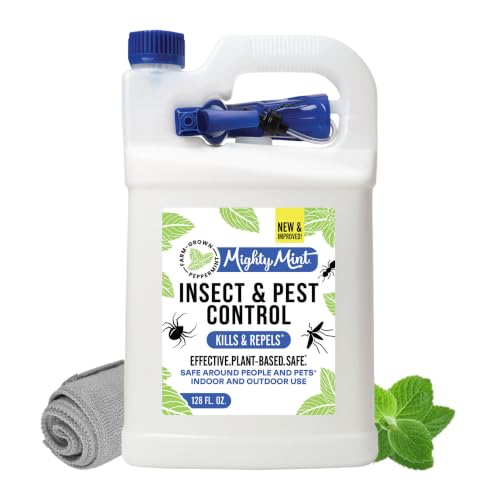
Mighty Mint
Mighty Mint Peppermint Oil Insect Repellent Spray, 1 Gallon (128 oz)
- Pet-Friendly & Family-Safe Formula – Mighty Mint is a top pick for pet parents looking for a natural, pest control solution. Safe…
- Powerful Plant-Based Pest Control – Formulated with extra-concentrated peppermint oil, this natural spray is a proven deterrent fo…
- Effective Indoor & Outdoor Use – Designed for versatile application on baseboards, entryways, patios, and other areas. Helps repel…
Understanding Squash Bugs
Squash bugs (Anasa tristis) are notorious for feeding on the sap of squash plants. They typically appear in late summer and can cause extensive damage if not addressed promptly. The adult bugs are dark brown or black with an elongated body and can be found on the undersides of leaves or near the base of plants. Their eggs, which resemble tiny yellow to orange clusters, are laid on the leaves and hatch into nymphs, further contributing to plant damage.
Signs of Infestation
Look out for the following signs of squash bug infestation:
- Wilting or yellowing leaves
- Dark spots on leaves, indicating damage
- Visible eggs or nymphs on foliage
- Stunted plant growth
Organic Control Methods
Several organic methods can help you effectively stop squash bugs without resorting to harsh chemicals. Here are some of the most effective strategies:
1. Handpicking
Regularly inspecting your plants and handpicking adult squash bugs and their eggs can significantly reduce their population. Wear gloves and drop them into a bucket of soapy water to kill them instantly.
2. Companion Planting
Certain plants can deter squash bugs. Consider planting radishes, nasturtiums, or marigolds among your squash plants. These companion plants can repel squash bugs and other pests, protecting your squash.
3. Neem Oil
Neem oil is a natural pesticide derived from the seeds of the neem tree. It disrupts the life cycle of squash bugs. Dilute neem oil according to package instructions and spray it directly on affected plants, focusing on the undersides of leaves where bugs often hide. Repeat every two weeks for best results.
4. Insecticidal Soap
Insecticidal soap is another effective organic method. It works by suffocating the bugs upon contact. You can either purchase it or make your own by mixing mild liquid soap with water and spraying it on infested plants. Ensure you apply it when temperatures are cooler to avoid damaging the plants.
5. Diatomaceous Earth
Diatomaceous earth is a fine powder made from fossilized algae. It can be sprinkled around your plants. The tiny particles are abrasive to insects, damaging their exoskeletons and leading to dehydration. Reapply after rain or watering for continued effectiveness.
Comparison of Organic Methods
| Method | Effectiveness | Ease of Use | Safety |
|---|---|---|---|
| Handpicking | Moderate | Easy | Very Safe |
| Companion Planting | Moderate | Moderate | Very Safe |
| Neem Oil | High | Moderate | Safe |
| Insecticidal Soap | High | Easy | Safe |
| Diatomaceous Earth | Moderate | Moderate | Safe |
Frequently Asked Questions
Can squash bugs be harmful to other plants?
While squash bugs primarily target squash plants, they can also affect other cucurbits, including cucumbers and pumpkins. Monitoring these plants for signs of infestation is essential.
How do I know if my preventative measures are working?
Check your plants regularly for signs of squash bugs, such as wilting leaves or visible bugs. A decrease in these signs indicates that your organic methods are effective.
Can I use store-bought pesticides instead?
Store-bought pesticides can be effective but may contain harsh chemicals. If you prefer organic gardening, stick to natural methods for pest control.
When is the best time to treat squash bugs?
Early morning or late evening is ideal for applying organic treatments. This timing minimizes plant stress and maximizes the effectiveness of the spray.
Are there any plants that attract squash bugs?
Plants such as zucchini and cucumbers can attract squash bugs. Keeping these plants spaced apart from other crops may help reduce pest movement.
Actionable Steps to Protect Your Garden
- Regularly inspect plants for signs of squash bugs.
- Implement companion planting strategies for pest deterrence.
- Utilize neem oil or insecticidal soap as needed.
- Handpick bugs and remove eggs promptly.
- Consider using diatomaceous earth for added protection.
- Keep your garden clean and remove debris that can harbor pests.
- Monitor and adjust your strategies based on effectiveness.
With persistence and the right organic methods, you can successfully stop squash bugs and enjoy a bountiful harvest. For more gardening tips, check out our articles on best trellis for squash and using garden sweepers.


