

How to Stop Squash Bugs Organically
Contents
Gardening can be a rewarding hobby, but it often comes with its share of challenges. One of the most frustrating issues for gardeners is dealing with squash bugs. These pests are notorious for wreaking havoc on squash and pumpkin plants, leaving gardeners feeling helpless as they watch their hard work wither away. But it doesn’t have to be this way. Understanding how to stop squash bugs organically is not only possible but can also lead to a healthier garden.
This article will guide you through several effective, organic methods to prevent and eliminate squash bugs. You’ll learn about natural repellents, companion planting, and proactive measures to protect your crops. With these strategies, you can maintain your garden without resorting to harmful chemicals.
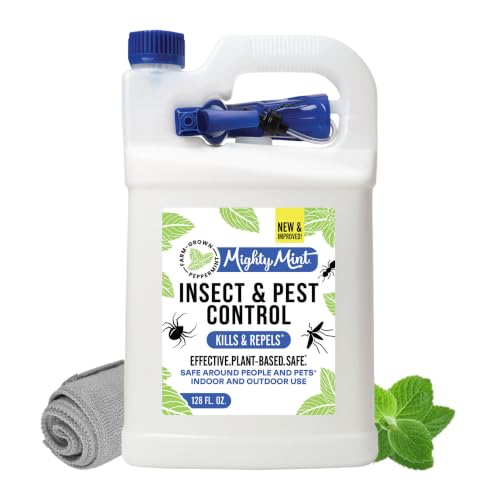
Mighty Mint
Mighty Mint Peppermint Oil Insect Repellent Spray, 1 Gallon (128 oz)
- Pet-Friendly & Family-Safe Formula – Mighty Mint is a top pick for pet parents looking for a natural, pest control solution. Safe…
- Powerful Plant-Based Pest Control – Formulated with extra-concentrated peppermint oil, this natural spray is a proven deterrent fo…
- Effective Indoor & Outdoor Use – Designed for versatile application on baseboards, entryways, patios, and other areas. Helps repel…
One helpful tool for organic pest control is Mighty Mint Peppermint Oil Insect Repellent Spray. This product uses concentrated peppermint oil to repel a variety of insects, including squash bugs, and is safe for use around pets and children.
Understanding Squash Bugs
Squash bugs, also known as Anasa tristis, are large, dark-colored insects primarily found in North America. They typically lay eggs on the undersides of leaves, and their nymphs can quickly become a significant problem for your plants. Adult squash bugs can cause yellowing leaves, wilting, and even death of the plant. Recognizing the signs of infestation early is crucial for effective management.
Organic Methods to Stop Squash Bugs
Here are several organic methods you can implement to combat squash bugs:
- Handpicking: Regularly inspect your plants for squash bugs. Handpick adult bugs and their eggs and drop them into a bucket of soapy water. This method is most effective in the early morning when the bugs are less active.
- Neem Oil: This natural pesticide disrupts the life cycle of squash bugs. Mix 2 tablespoons of neem oil with a gallon of water and spray it on infested plants every two weeks.
- Companion Planting: Planting certain companion plants, such as marigolds, nasturtiums, or radishes, can deter squash bugs. These plants can confuse pests or attract beneficial insects that prey on squash bugs.
- Row Covers: Protect young squash plants with row covers made of lightweight fabric. This barrier prevents squash bugs from laying eggs on your plants while still allowing sunlight and water through.
- Insecticidal Soap: Create a solution of 1-2% insecticidal soap and spray it directly onto the bugs. This method suffocates them but requires thorough coverage for effectiveness.
Preventive Measures
Prevention is key in managing squash bugs. Here are proactive steps you can take:
- Remove Debris: Clear your garden of plant debris and fallen leaves where squash bugs can hide.
- Rotate Crops: Rotate your squash plants with other crops each year to disrupt the life cycle of squash bugs.
- Maintain Healthy Soil: Healthy plants are less susceptible to pests. Regularly amend your soil with organic matter.
- Encourage Beneficial Insects: Attract predatory insects like ladybugs and lacewings to your garden. They can help control pest populations naturally.
Comparison Table of Organic Methods
| Method | Effectiveness | Ease of Use | Cost |
|---|---|---|---|
| Handpicking | Moderate | Easy | Free |
| Neem Oil | High | Moderate | Low |
| Companion Planting | Moderate | Easy | Low |
| Row Covers | High | Moderate | Moderate |
| Insecticidal Soap | High | Easy | Low |
What attracts squash bugs to my garden?
Squash bugs are attracted to squash and pumpkin plants due to their scent and nutritional value. They prefer healthy, vigorous plants, so maintaining plant health can help reduce attraction.
Can I use essential oils to repel squash bugs?
Yes, essential oils like peppermint and clove can be effective repellents. Mix them with water and spray directly on the plants or around the garden perimeter.
How often should I check for squash bugs?
Inspect your plants at least once a week, especially during the growing season. Early detection is crucial for managing infestations effectively.
Are there any natural predators of squash bugs?
Yes, beneficial insects such as ladybugs, parasitic wasps, and spiders can help control squash bug populations naturally.
Will squash bugs harm other plants?
Squash bugs primarily target squash and pumpkin plants, but they can occasionally affect other cucurbits like cucumbers and melons. Monitoring all cucurbit plants is wise.
Final Thoughts on Controlling Squash Bugs
- Regularly inspect your plants for early signs of infestation.
- Implement a combination of methods for the best results.
- Encourage beneficial insects in your garden.
- Maintain healthy soil to promote robust plant growth.
- Consider using products like Mighty Mint for added protection.
- Stay vigilant and adapt your strategies as needed.
- Check out additional resources on trellis for squash and other gardening techniques.


