

Pole Beans vs Bush Beans for Small Gardens
Contents
Imagine stepping into your small garden, the sun shining, and the scent of fresh vegetables wafting through the air. You have a choice to make: should you plant pole beans or bush beans? Both types of beans offer unique advantages, but understanding their differences is crucial for optimizing your garden space. In this article, you’ll learn about the characteristics of each type, how they grow, and which one is best for your specific gardening needs.
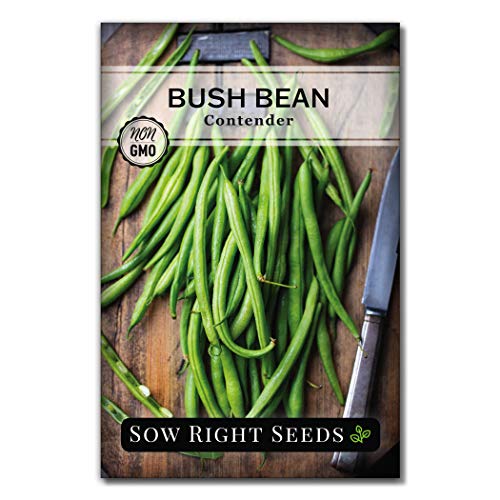
This guide will help you navigate the key differences between pole beans and bush beans. You’ll also find practical information on how to grow them effectively in a small garden setting. If you’re considering planting a reliable variety, check out the Sow Right Seeds – Contender Bush Bean Seed. These seeds are stringless, mature early, and yield a generous harvest, making them a solid choice for gardeners.
Sow Right Seeds
Sow Right Seeds - Contender Bush Bean Seed for Planting Green Beans Garden
- Beautiful - Large premium seed packet of Contender Bush Bean (Phaseolus vulgaris) seeds. Minimum of 16.5g per packet (about 30 see…
- Productive - Contender Bean germinates in 7-12 days when soil temps are 65-75°F. Plant 1” deep and space 3-4” apart in an area wit…
- Good Eats - Fresh beans are a garden treat. Roast your beans or sautee them for a delicious dinner addition, or eat them raw strai…
Understanding Pole Beans
Pole beans (Phaseolus vulgaris) are climbing varieties that require vertical support. They can grow up to 10 feet tall and are typically planted in rows that allow them to climb trellises, fences, or stakes. This vertical growth habit makes them an excellent option for small gardens, where maximizing space is essential.
One of the most notable aspects of pole beans is their extended harvest period. They usually produce beans over several weeks, allowing for a continuous supply of fresh produce. Popular varieties include:
- Blue Lake Pole Bean
- Scarlet Runner Bean
- Kentucky Blue Pole Bean
On the downside, pole beans require more maintenance than bush beans. They need to be kept well-watered and monitored for pests, as their vertical structure can sometimes make them more susceptible to certain insects.
Exploring Bush Beans
Bush beans, also a type of Phaseolus vulgaris, grow close to the ground, typically reaching heights of 1 to 2 feet. They are compact and do not require any support, making them ideal for small garden spaces. Because of their low growth habit, bush beans are often easier to harvest than pole beans.
Bush beans tend to mature faster than their pole counterparts—usually within 60 to 75 days. This quick turnaround can be advantageous for gardeners looking to maximize their growing season. Some popular bush bean varieties include:
- Contender Bush Bean
- Provider Bush Bean
- Cerise Bush Bean
While bush beans are easier to grow and maintain, they have a shorter harvest period. Once the beans are picked, the plant typically yields less over time, as compared to pole beans that continue to produce for a longer duration.
Comparative Table: Pole Beans vs Bush Beans
| Feature | Pole Beans | Bush Beans |
|---|---|---|
| Growth Habit | Climbing, requires support | Compact, grows close to ground |
| Height | Up to 10 feet | 1 to 2 feet |
| Harvest Duration | Extended harvest over weeks | Shorter harvest period |
| Time to Maturity | 70-90 days | 60-75 days |
| Maintenance | Requires more care | Less maintenance |
Frequently Asked Questions
What are the best growing conditions for pole beans?
Pole beans thrive in full sun and well-draining soil rich in organic matter. They prefer soil temperatures between 65°F and 85°F for optimal germination.
How much space do I need for bush beans?
Bush beans need about 3 to 4 inches of space between each plant. This spacing allows for adequate air circulation and room for growth.
Can I grow pole beans in a container?
Yes, pole beans can be grown in containers, but make sure you provide a tall trellis or support structure. Choose a large container (at least 5 gallons) to accommodate their root system.
Which type of bean is more productive?
Pole beans are generally more productive over the growing season due to their extended yield period. However, bush beans can produce a quick harvest, which may work better for gardeners with limited time.
Are there any pests to watch out for?
Both pole and bush beans can be affected by pests such as aphids, spider mites, and bean beetles. Regular inspections and organic pest management strategies can help control these issues.
Takeaways for Your Garden
- Pole beans maximize vertical space, making them great for small gardens.
- Bush beans mature quickly, providing a fast harvest.
- Consider your maintenance preferences when choosing between the two.
- Use trellises for pole beans to support their growth.
- Look for varieties suited to your local climate.
- Monitor for pests regularly to ensure healthy plants.
- Explore seed options like the Contender Bush Bean for reliable performance.
For more gardening tips, check out our articles on the best trellis for pole beans and best trellis for green beans.


