As spring approaches, many gardeners look forward to rejuvenating their landscapes. One of the most beneficial practices during this season is applying mulch. Imagine the satisfaction of seeing your garden thriving, weed-free, and well-nourished after a fresh layer of mulch. Timing this application correctly can significantly affect your plants’ growth and overall garden health.
This article will clarify when to apply mulch in spring and provide actionable tips to maximize its benefits. After reading, you’ll understand the optimal conditions for mulching, how to prepare your garden, and the different types of mulch available.

VEVOR
In this article
- VEVOR Compost Spreader, 24 in Wide Peat Moss Spreader with T Shaped Handle, 3 Heights Adjustable, Powder-Coated Steel Garden Peat Moss Roller, Heavy Duty Grass Seed Spreaders for Planting Seeding
- Understanding Mulch and Its Benefits
- Optimal Timing for Mulching in Spring
- Preparing Your Garden for Mulch
- Types of Mulch and Their Uses
- Final Thoughts on Spring Mulching
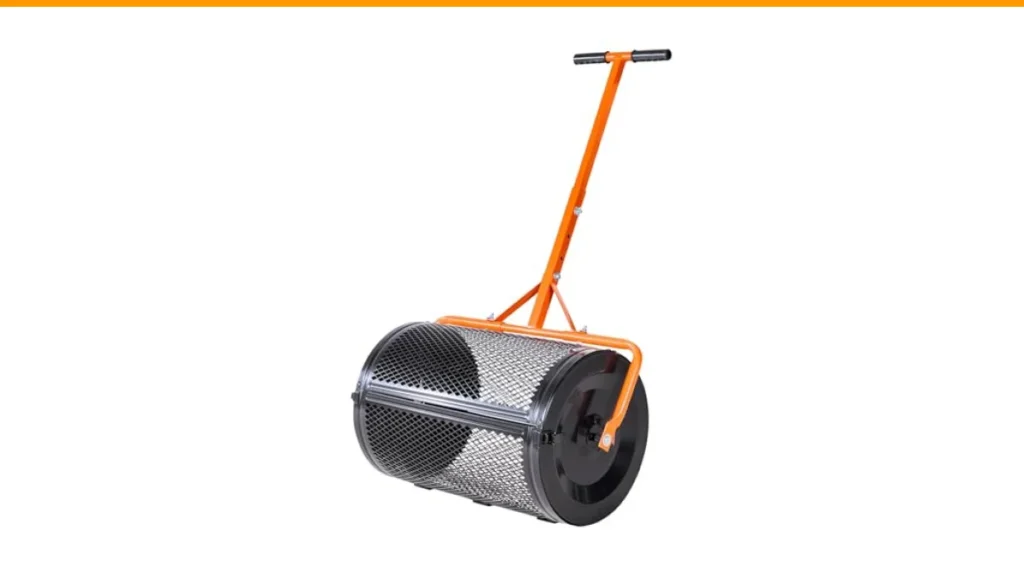
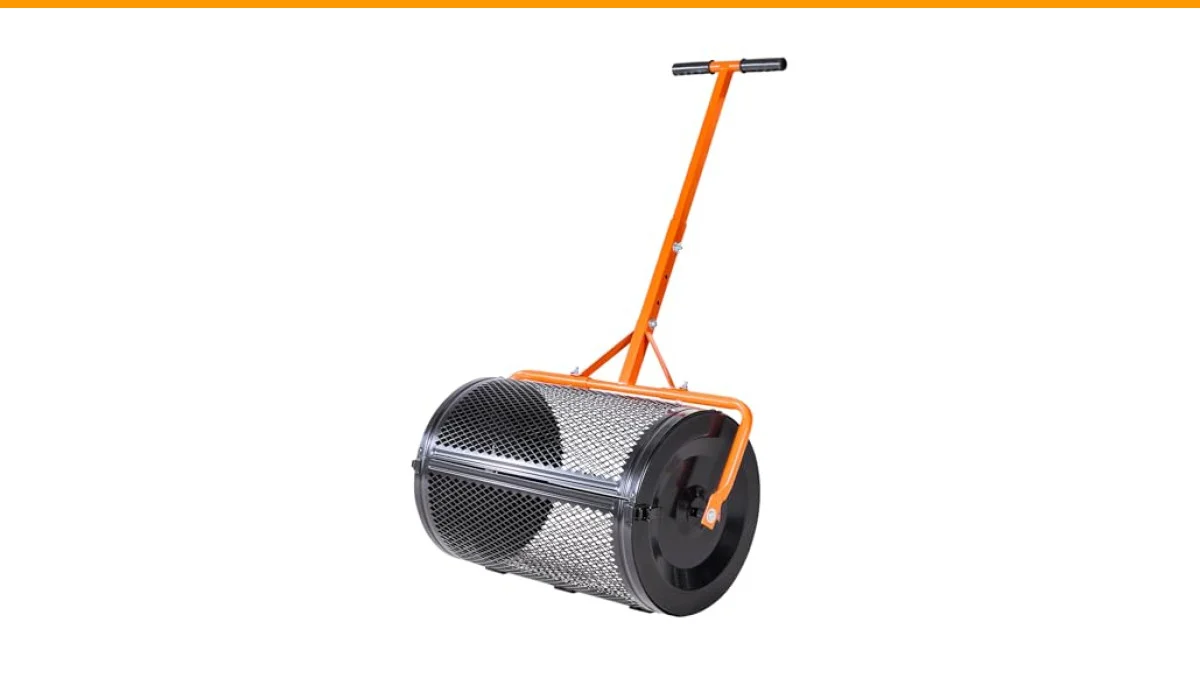
VEVOR Compost Spreader, 24 in Wide Peat Moss Spreader with T Shaped Handle, 3 Heights Adjustable, Powder-Coated Steel Garden Peat Moss Roller, Heavy Duty Grass Seed Spreaders for Planting Seeding
- Adjustable Handle for Comfort: The handle features three adjustable heights (42.91 in / 109 cm, 44.88 in / 114 cm;48.03 in / 122 c…
- Durable and Sturdy: Built with an integrated steel drum and precision-cutting technology, this compost spreader is solid and sleek…
- Large Capacity Drum: The 24-inch peat moss roller holds up to 2.66 cubic feet of material, reducing the need for frequent refills.…
Using a product like the VEVOR Compost Spreader can make your mulching process more efficient. This heavy-duty spreader allows you to evenly distribute mulch over a large area, saving time and reducing physical strain.
Understanding Mulch and Its Benefits
Mulch plays a crucial role in garden maintenance. It conserves soil moisture, suppresses weeds, and regulates soil temperature. Organic mulches, such as wood chips or straw, improve soil fertility as they decompose, while inorganic options, like gravel or landscape fabric, provide long-lasting ground coverage.
The timing of mulch application is vital. Applying it too early can lead to frost damage on tender plants, while waiting too long can allow weeds to establish themselves. Understanding the right conditions helps ensure you get the most out of your mulch.
Optimal Timing for Mulching in Spring
When to apply mulch in spring depends on several factors, including your local climate, the type of plants you’re growing, and last frost dates. Generally, the best time is after the last frost but before the heat of summer hits. For most regions, this means late April to early June.
To make informed decisions, consider these guidelines:
- Soil Temperature: Aim for soil temperatures around 60°F (15°C) for optimal plant growth. This is typically when perennials begin to emerge.
- Weather Patterns: Wait for a consistent warm spell without threats of frost, usually a week or two after the last frost date in your area.
- Planting Schedule: If you’re planting new annuals or perennials, wait until they’re established before applying mulch, usually about 2-3 weeks after planting.
Preparing Your Garden for Mulch
Before applying mulch, take a few steps to prepare your garden:
- Weed Control: Remove existing weeds, as they compete with your plants for nutrients and water. Weeding before mulching is essential, as the mulch will suppress future weed growth.
- Soil Moisture: Ensure the soil is adequately moist before adding mulch. This helps retain moisture and encourages root growth.
- Mulch Thickness: Aim for a layer of mulch that is 2-4 inches thick. Too thin won’t suppress weeds effectively, while too thick can suffocate plants.
Types of Mulch and Their Uses
Different types of mulch serve various purposes. Here’s a quick comparison of some popular options:
| Type of Mulch | Best Use | Benefits |
|---|---|---|
| Wood Chips | Flower beds, pathways | Long-lasting, suppresses weeds |
| Straw | Vegetable gardens | Good for moisture retention, decomposes quickly |
| Grass Clippings | Lawn areas | Provides nitrogen as it decomposes |
| Rubber Mulch | Play areas, pathways | Durable, doesn’t decompose |
| Landscape Fabric | Underneath organic mulch | Prevents weed growth while allowing moisture |
Frequently Asked Questions
1. Can I apply mulch before planting?
It’s best to wait until after planting to apply mulch. Newly planted seeds or seedlings need direct contact with soil to establish roots.
2. How often should I refresh my mulch?
Refreshing mulch every 1-2 years is ideal, depending on the type used and the conditions in your garden.
3. Is it necessary to remove old mulch before applying new?
While it’s not strictly necessary, removing old mulch can prevent diseases and improve aesthetics. If you choose to leave it, ensure the old layer isn’t too thick.
4. What happens if I apply mulch too early?
Applying mulch too early can trap cold air and moisture, damaging tender plants and delaying growth.
5. Can I use newspaper as mulch?
Yes, newspaper can serve as an effective organic mulch. However, it should be used in layers and topped with another type of mulch to prevent blowing away.
Final Thoughts on Spring Mulching
- Apply mulch after the last frost to protect tender plants.
- Remove weeds and ensure soil moisture before mulching.
- Choose the right type of mulch for your specific garden needs.
- Maintain a thickness of 2-4 inches for effective weed control.
- Refresh mulch every 1-2 years to keep your garden healthy.
- Consider using tools like the VEVOR Compost Spreader for efficient application.
- Monitor soil temperatures to optimize growth conditions.