Many gardeners face a common dilemma: how to maintain healthy soil while effectively managing weeds and improving crop yields. The answer lies in living mulch cover crops, a sustainable practice that not only addresses these issues but also enhances overall soil health. Imagine a flourishing garden where the soil is rich in nutrients, weeds are kept at bay, and beneficial organisms thrive. This article explores the ins and outs of living mulch cover crops, their benefits, and practical application methods.
Living mulch cover crops serve as a valuable tool in sustainable agriculture and gardening. These crops grow alongside main crops, providing numerous advantages such as soil protection, moisture retention, and increased biodiversity. Readers will walk away with actionable insights on selecting, planting, and managing these cover crops for optimal results.
No-Till Solutions
In this article
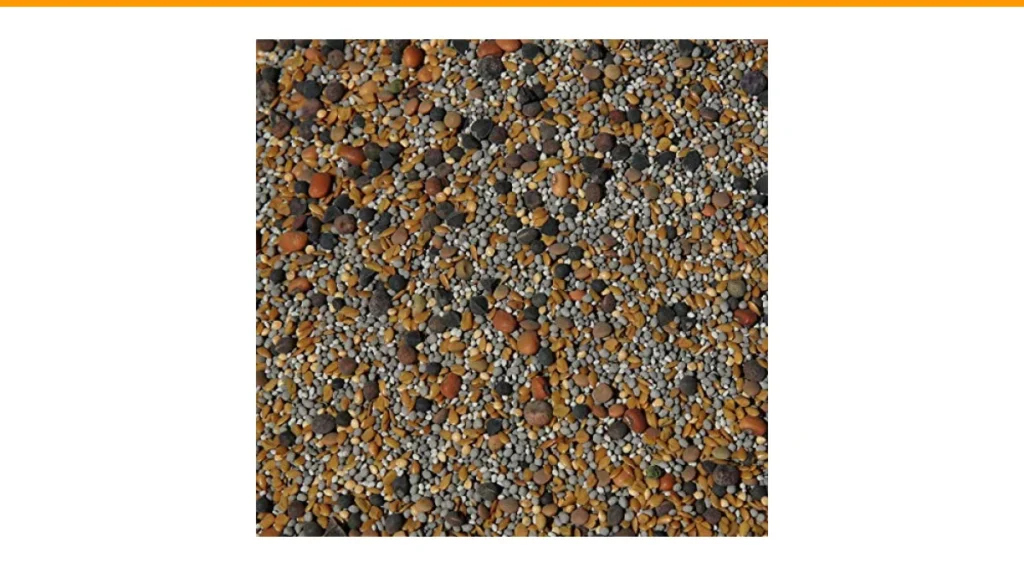
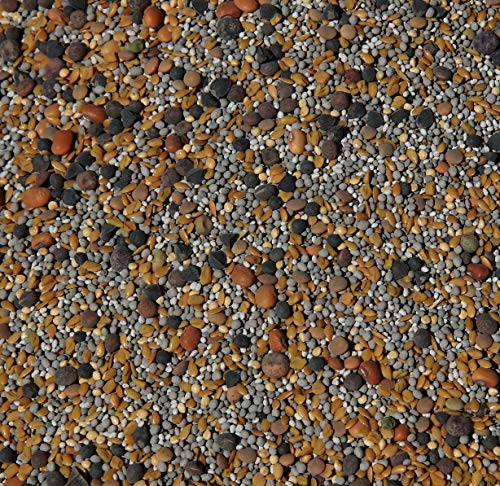
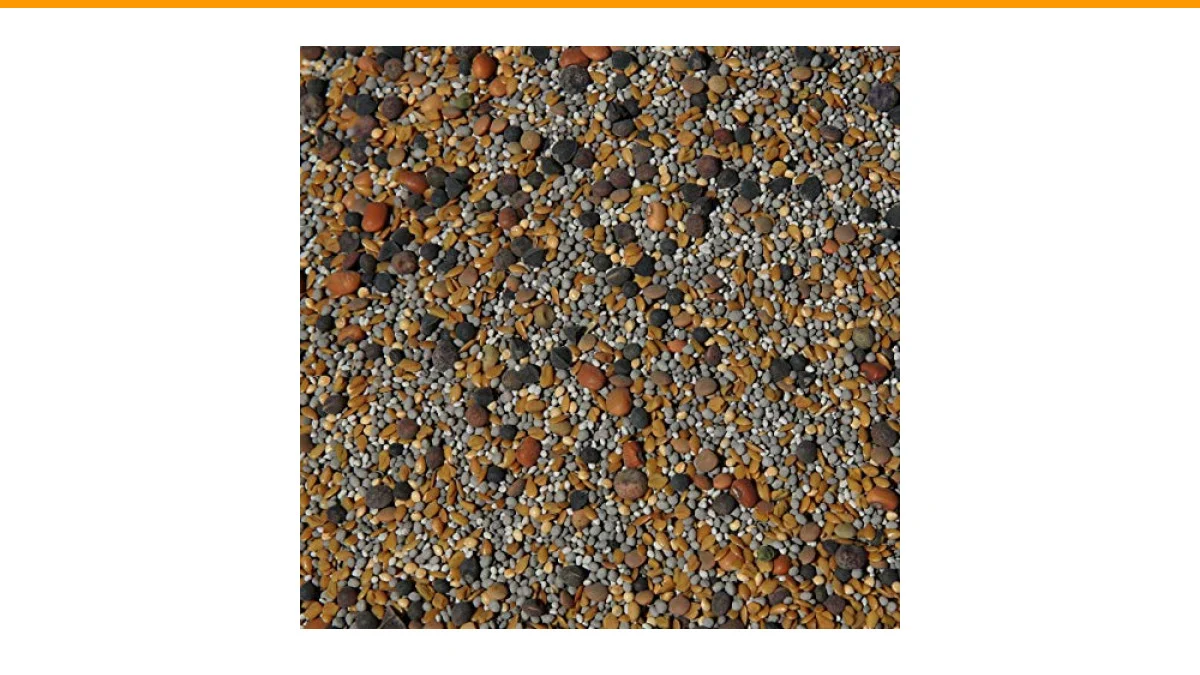
- No-Till Cover Crop 13-Seed Mix (½-lb): [50% Clovers Plus Fenugreek, Vetch, Flax, Cowpeas, Buckwheat, Forage Peas, Millet, Lentils, Crimson Clover, Sweet Yellow Clover, White Clover, Medium Red Clover]
- Understanding Living Mulch Cover Crops
- Benefits of Using Living Mulch Cover Crops
- Implementing Living Mulch Cover Crops
- Practical Takeaways
No-Till Cover Crop 13-Seed Mix (½-lb): [50% Clovers Plus Fenugreek, Vetch, Flax, Cowpeas, Buckwheat, Forage Peas, Millet, Lentils, Crimson Clover, Sweet Yellow Clover, White Clover, Medium Red Clover]
- 13 different varieties of THE most popular cover crops in the community in 1 bag = balanced bio-diversity
- Inoculated with Rhizobium; Encourages Mycorrhizal Fungi populations to explode, which literally help deliver nutrients to the root…
- Bio-diverse array of cover crop varieties attracts wide variety of beneficial organisms & predators which contribute to soil ferti…
One excellent option for gardeners looking to implement living mulch is the No-Till Cover Crop 13-Seed Mix. This mix features 13 popular cover crop varieties, inoculated with Rhizobium to promote beneficial fungal populations, making it ideal for raised beds and no-till container gardening.
Understanding Living Mulch Cover Crops
Living mulch cover crops are low-growing plants that are planted in between or around main crops. They serve multiple functions including weed suppression, soil erosion control, and enhancement of soil structure. Common varieties include clover, vetch, and buckwheat, each contributing differently to soil health and fertility.
Cover crops can be broadly categorized into two types: annuals and perennials. Annual cover crops like buckwheat can be planted and terminated within a single growing season, while perennials like clover establish a longer-term presence in the soil. The choice between these types depends on your gardening goals and local climate conditions.
Benefits of Using Living Mulch Cover Crops
Living mulch cover crops offer several key benefits that contribute to a more sustainable gardening practice. Here are some notable advantages:
- Weed Suppression: Cover crops outcompete weeds for light and nutrients, significantly reducing weed growth.
- Soil Health Improvement: They enhance soil structure and increase organic matter, leading to better water retention and nutrient availability.
- Biodiversity Boost: Planting diverse cover crops attracts beneficial insects and organisms, which can help manage pests and improve pollination.
- Nitrogen Fixation: Certain legumes, like clover and vetch, can fix atmospheric nitrogen, enriching the soil for subsequent crops.
Implementing Living Mulch Cover Crops
Implementing living mulch cover crops involves careful planning and execution. Here’s a step-by-step guide:
- Choose Your Cover Crop: Select a cover crop suited to your climate and primary crops. The No-Till Cover Crop 13-Seed Mix is an excellent choice for diverse growing conditions.
- Planting Timing: Plant cover crops in the fall or early spring, ensuring they have enough time to establish before the main crops compete for resources.
- Termination: Before planting main crops, terminate the cover crop. This can be done through mowing, rolling, or tilling, depending on the chosen variety.
- Monitor and Manage: Keep an eye on the health of both cover crops and main crops, adjusting irrigation and nutrient applications as necessary.
Effective management requires attention to timing and the specific needs of both the cover and main crops. Soil testing can also help determine nutrient levels and soil health.
| Cover Crop Type | Benefits | Best Planting Time | Termination Method |
|---|---|---|---|
| Legume (e.g., Clovers) | Nitrogen fixation, weed suppression | Fall/Early Spring | Mow or roll |
| Cereal (e.g., Rye) | Soil erosion control, biomass production | Fall | Till or mow |
| Broadleaf (e.g., Buckwheat) | Quick growth, weed suppression | Spring/Summer | Cut before flowering |
| Perennial (e.g., Vetch) | Long-term soil coverage, biomass | Fall | Terminate before main crop |
What are living mulch cover crops?
Living mulch cover crops are low-growing plants that are cultivated alongside main crops to provide benefits such as weed suppression and soil enhancement.
How do I choose the right living mulch cover crop?
Select a cover crop based on your climate, soil type, and main crops. Consider factors like growth habit, nutrient contribution, and compatibility with your gardening practices.
Can I use living mulch in container gardens?
Yes, living mulch can be effectively used in container gardens. The No-Till Cover Crop 13-Seed Mix is particularly suitable for raised beds and container gardening.
When should I terminate my living mulch?
Terminate the living mulch before planting main crops. This timing usually depends on the growth stage of the cover crop and the specific main crops being planted.
Are there any drawbacks to using living mulch?
Some drawbacks include potential competition for nutrients and water if not managed properly, as well as the need for timely termination to prevent hindering main crop growth.
Practical Takeaways
- Implement living mulch cover crops to improve soil health and reduce weeds.
- Choose the right cover crop mix based on your specific gardening conditions.
- Monitor growth and manage termination to maximize benefits.
- Consider using the No-Till Cover Crop 13-Seed Mix for diverse options.
- Test your soil regularly to track nutrient levels and make informed management decisions.
- Emphasize biodiversity by mixing different types of cover crops.
- Stay informed about best practices through reliable gardening resources.