Imagine standing in your garden, feeling the rich, crumbly soil between your fingers. This ideal soil, often referred to as loam, balances sand, silt, and clay. For gardeners and farmers, understanding loam soil is crucial to nurturing plants effectively. This article will explain what loam soil is, its unique properties, and why it is often considered the gold standard for growing plants.
Loam soil is not just a random mix of particles. It is a carefully balanced blend of approximately 40% sand, 40% silt, and 20% clay. This composition gives it superior qualities for water retention, nutrient availability, and aeration. As you read on, you will discover how to identify loam soil and the best practices for utilizing it in your gardening endeavors.
Buladeke
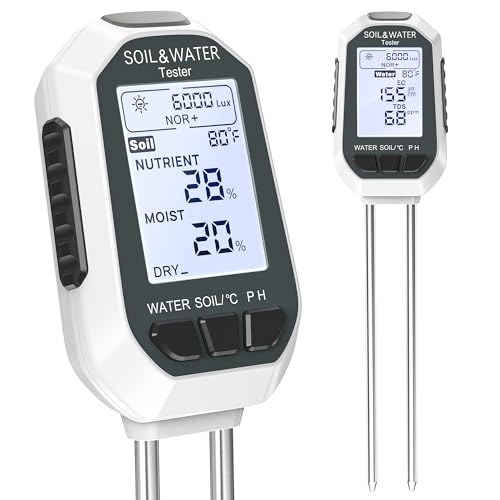
Buladeke Moisture Meter for Plants,7-in-1 Digital Soil Tester Kit | Soil pH Tester with LCD - Measures pH, EC, TDS, Fertility, Temp, Moisture & Sunlight, Garden Tools for Indoor & Outdoor
- 【7-in-1 Features】This is a 7-in-1 multi-function soil tester. Our soil tester quickly measures soil moisture, pH, temperature and…
- 【Large Screen & LCD Backlight】The Soil Moisture Meter has a large LCD display with white backlight that clearly shows the numerica…
- 【Fast and accurate measurement】With the latest 2025 probe technology, it can quickly and accurately measure soil pH, moisture, tem…
For those looking to monitor their soil conditions accurately, the Buladeke Moisture Meter for Plants is a great tool. This 7-in-1 digital soil tester measures moisture, pH, temperature, and light intensity, which can help you maintain the ideal conditions for your plants. With accurate readings, you’ll know when it’s time to water or adjust soil nutrients.
What Makes Loam Soil Unique?
Loam soil is often hailed as the best type of soil for gardening due to its ideal balance of sand, silt, and clay. Here’s what sets it apart:
- Water Retention: Loam can hold moisture without becoming waterlogged. This is essential for plant health, as roots need both water and oxygen.
- Nutrient Availability: The composition allows for excellent nutrient retention, making it easier for plants to access essential elements.
- Aeration: The air pockets formed by the mix of particle sizes promote healthy root growth.
For example, a study conducted by the University of California found that loamy soils typically support higher yields in vegetable crops due to their nutrient-rich profile.
Common Misconceptions About Loam Soil
Many people have misconceptions about loam soil and its properties. Here are two prominent myths:
1. Loam Soil Is Just Any Mix of Soil Types
Some believe that any random blend of sand, silt, and clay qualifies as loam. This is incorrect. True loam must have specific proportions—about 40% sand, 40% silt, and 20% clay. Deviating significantly from this ratio alters its characteristics.
2. Loam Soil Does Not Require Amendments
While loam is nutrient-rich, it may still benefit from amendments. Depending on what you grow, adding organic matter or compost can enhance its properties further. Regular testing, like that offered by the Buladeke Moisture Meter, helps assess whether additional nutrients are needed.
How to Identify Loam Soil
Identifying loam soil is straightforward if you know what to look for. Here are some easy steps:
- Texture Test: Take a handful of moist soil and rub it between your fingers. Loam should feel smooth and crumbly, not sticky (like clay) or gritty (like sand).
- Water Drainage Test: Dig a small hole, fill it with water, and observe how quickly it drains. Ideally, loam drains well but retains moisture.
- Color Observation: Loam typically has a dark brown color due to organic matter content. The richer the color, the more nutrients it likely has.
Comparing Soil Types: Loam vs. Other Soils
| Soil Type | Composition | Water Retention | Nutrient Availability | Aeration |
|---|---|---|---|---|
| Loam | 40% Sand, 40% Silt, 20% Clay | Good | High | Excellent |
| Clay | Less than 20% Sand, High Clay | High | Medium | Poor |
| Sand | More than 50% Sand | Poor | Low | Excellent |
| Silt | More than 50% Silt | Medium | Medium | Good |
Frequently Asked Questions
1. Can loam soil be used for all types of plants?
Yes, loam soil is versatile and suitable for a wide range of plants, including vegetables, flowers, and shrubs. Its nutrient-rich composition supports healthy growth.
2. How often should I amend loam soil?
Amendments depend on what you grow. Generally, adding organic matter once a year can enhance soil fertility and structure.
3. Does loam soil require more watering than other soil types?
No, loam retains moisture well. You may need to water less frequently than sandy soils, but monitor moisture levels using tools like the Buladeke Moisture Meter.
4. Can I create loam soil myself?
Yes, you can create loam by mixing sand, silt, and clay. However, achieving the ideal ratio is crucial. Testing your soil will help you determine the right mix.
5. Is loam soil prone to erosion?
Loam soil is less prone to erosion compared to sandy soils. However, maintaining ground cover helps protect it from wind and water erosion.
Essential Practices for Working with Loam Soil
- Regularly test soil moisture and pH levels.
- Add organic matter to enhance fertility.
- Use mulch to retain moisture and control temperature.
- Avoid compacting the soil by minimizing heavy foot traffic.
- Rotate crops to prevent nutrient depletion.
Understanding loam soil is essential for anyone looking to cultivate healthy plants. Whether you’re a novice gardener or a seasoned farmer, recognizing the properties and benefits of loam can greatly influence your gardening success. Use tools like the Buladeke Moisture Meter to monitor soil conditions and keep your plants thriving.