Many gardeners find themselves excitedly spreading mulch around their prized plants, envisioning a neat, weed-free garden. However, this enthusiasm can lead to a common mistake: creating mulch volcanoes. These formations occur when mulch is piled high around the base of the plants, often resembling a volcano. While mulch has its benefits, improper application can lead to significant issues for your plants.
This article will explore the problems associated with mulch volcanoes, why they matter, and what you can do to prevent them. You’ll gain insights into proper mulching techniques and learn about effective products that promote healthy plant growth.

BRUT WORM FARMS
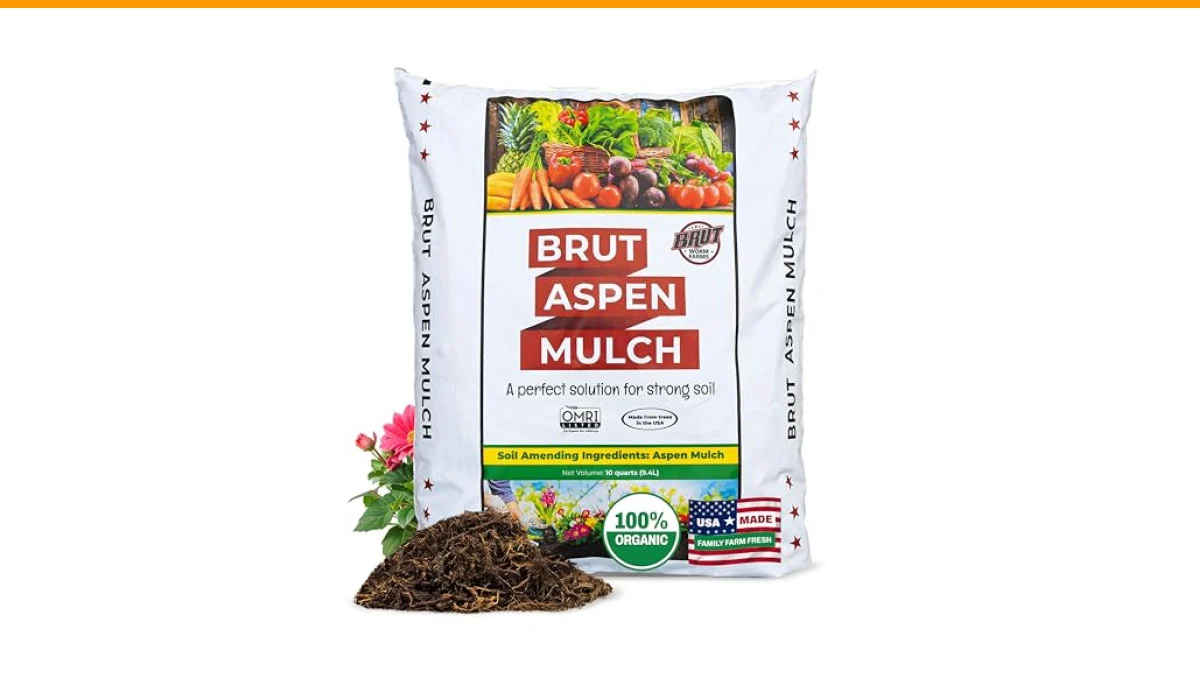
Brut Organic Aspen Mulch 10 QT – Natural Moisture Retainer & Root Protector – Odor-Free, Nutrient-Rich Bark Mulch for Landscaping, Garden Beds & Potted Plants
- NATURAL GARDEN COVER: Creates a clean, polished garden surface while helping minimize weed growth naturally. This organic mulch al…
- HIGH CARBON ORGANIC MULCH: Formulated with 30% natural carbon to foster beneficial soil microbes and promote overall soil vitality…
- MOISTURE-RETAINING & WATER-EFFICIENT: Naturally helps retain soil moisture, reducing the frequency of watering and supporting heal…
One such product is Brut Organic Aspen Mulch. This natural mulch retains moisture and provides a nutrient-rich environment for plants. It’s designed to improve soil structure and reduce weed growth, making it an excellent choice for gardeners looking to avoid mulch volcano problems.
Understanding Mulch Volcanoes
So, what exactly are mulch volcanoes? They occur when excessive mulch is piled against the trunks or stems of plants. This practice can suffocate roots, promote rot, and create a breeding ground for pests. In healthy soil, mulch should be applied 2-4 inches deep, but volcanoes can easily exceed this recommendation.
Research indicates that mulch volcanoes can have detrimental effects on plant health. For example, a study found that trees surrounded by excessive mulch were more susceptible to diseases and pests than those with proper mulch applications. In severe cases, this can lead to premature death of the plant.
Common Problems Caused by Mulch Volcanoes
Here are some specific issues you might encounter with mulch volcanoes:
- Root Suffocation: When mulch is piled too high, it restricts oxygen flow to the roots. Plants need oxygen to thrive, and without it, they can become weak or die.
- Moisture Retention: Excess mulch can trap too much moisture against the plant base, leading to root rot. This is particularly concerning for species that prefer drier conditions.
- Pest Attraction: Mulch volcanoes can attract pests such as termites and rodents, which may damage the plant or spread diseases.
- Fungal Growth: The humid environment created by excess mulch can promote fungal diseases, harming the plant further.
Each of these problems can lead to a decline in plant health, making it essential to manage mulch correctly.
Best Practices for Proper Mulching
To prevent mulch volcano problems around plants, consider the following best practices:
- Maintain Proper Depth: Apply mulch to a depth of 2-4 inches, ensuring it is evenly spread around the plant without touching the stem or trunk.
- Choose the Right Material: Organic mulches, like the Brut Organic Aspen Mulch, are beneficial as they decompose and enrich the soil. Avoid using materials that can compact easily.
- Leave Space Around Plants: Ensure there’s space between the mulch and the base of the plant. A 2-3 inch gap helps prevent rot and allows air circulation.
- Regular Maintenance: Check mulch depth regularly and replenish it as needed, ensuring it stays within the recommended range.
Implementing these practices can significantly improve the health of your garden and plants.
| Technique | Description | Benefits |
|---|---|---|
| Proper Depth | Maintain a mulch depth of 2-4 inches. | Prevents suffocation and promotes healthy root growth. |
| Organic Materials | Use organic mulches that decompose. | Improves soil health and adds nutrients. |
| Space Around Plants | Keep mulch away from plant bases. | Prevents rot and allows airflow. |
| Regular Maintenance | Check and replenish mulch as needed. | Ensures optimal conditions for plant growth. |
Frequently Asked Questions
What signs indicate a mulch volcano problem?
Common signs include wilting leaves, stunted growth, and visible decay at the base of the plant. If you notice these symptoms, check the mulch depth immediately.
Can I use any type of mulch?
While many types of mulch are available, organic mulches like shredded bark are preferred. They enrich the soil and support beneficial microbes.
How often should I replace mulch?
Mulch should be replenished annually or as needed. Watch for signs of compaction or decay to determine when to replace it.
Is it necessary to mulch at all?
While mulching is not strictly necessary, it offers significant benefits such as weed suppression, moisture retention, and temperature regulation for the soil.
What should I do if I find a mulch volcano?
If you discover a mulch volcano, gently remove excess mulch to expose the base of the plant. Ensure the remaining mulch is at the proper depth and distance from the plant.
Final Thoughts
- Keep mulch depth between 2-4 inches.
- Use organic mulch for better soil health.
- Leave space around plant bases to prevent rot.
- Regularly check mulch for compaction.
- Observe plants for signs of distress.
- Consider using products like Brut Organic Aspen Mulch for optimal results.
- Stay informed about best practices for healthy gardening.