Imagine preparing your garden for the upcoming planting season. You’ve got seeds, tools, and a vision for a thriving patch of greenery. But what about the soil? The foundation of any successful garden lies in its soil composition. This is where loam soil enters the conversation, standing out as one of the best types for gardening and agriculture. In this article, you’ll discover what loam soil is, its unique characteristics, and why it’s often considered the gold standard for growing healthy plants.
Loam soil offers a balanced mix of sand, silt, and clay, which allows for excellent drainage, nutrient retention, and aeration. Understanding these properties can significantly impact your gardening success. As you read on, you’ll walk away with a solid understanding of how to identify loam soil, its benefits, and practical applications to enhance your gardening experience.
Buladeke
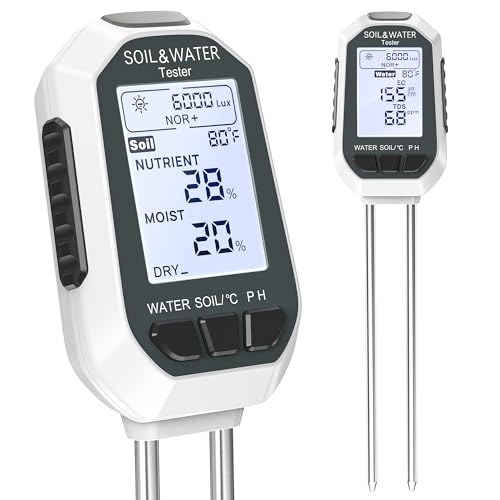
Buladeke Moisture Meter for Plants,7-in-1 Digital Soil Tester Kit | Soil pH Tester with LCD - Measures pH, EC, TDS, Fertility, Temp, Moisture & Sunlight, Garden Tools for Indoor & Outdoor
- 【7-in-1 Features】This is a 7-in-1 multi-function soil tester. Our soil tester quickly measures soil moisture, pH, temperature and…
- 【Large Screen & LCD Backlight】The Soil Moisture Meter has a large LCD display with white backlight that clearly shows the numerica…
- 【Fast and accurate measurement】With the latest 2025 probe technology, it can quickly and accurately measure soil pH, moisture, tem…
For those looking to monitor soil conditions effectively, consider using the Buladeke Moisture Meter for Plants. This 7-in-1 digital soil tester measures moisture, pH, temperature, and more, ensuring your plants receive the optimal care they need.
What Is Loam Soil?
Loam soil is a specific soil type that contains approximately 40% sand, 40% silt, and 20% clay. This balanced composition is what makes it particularly desirable for gardening and farming. Sand provides good drainage and aeration, silt holds moisture and nutrients, while clay contributes to the soil’s structure and nutrient-holding capacity.
The texture of loam soil feels soft and crumbly, making it easy to work with. Unlike sandy or clay-heavy soils, loam maintains adequate moisture without becoming waterlogged. This unique balance allows it to support a diverse range of plant life.
Benefits of Loam Soil
Loam soil offers numerous advantages, making it a preferred choice for gardeners and farmers alike. Here are some key benefits:
- Excellent Drainage: The sand component allows excess water to drain away, preventing root rot.
- Nutrient Retention: The silt and clay components help retain essential nutrients and moisture, benefiting plant growth.
- Good Aeration: Loam provides enough space for air to reach plant roots, promoting healthy growth.
- Ease of Cultivation: The crumbly texture makes it easy to till and work, reducing physical strain on the gardener.
- Versatility: Loam is suitable for a wide variety of plants, making it ideal for mixed gardens.
How to Identify Loam Soil
Identifying loam soil involves a few simple tests you can perform at home:
- Texture Test: Take a handful of moistened soil and squeeze it. If it forms a ball but crumbles when pressed, it likely contains a good mix of sand, silt, and clay.
- Water Drainage Test: Dig a hole about 12 inches deep and fill it with water. If the water drains within 1-2 hours, you likely have loam soil.
- Feel Test: Rub the soil between your fingers. Loam should feel smooth and slightly gritty, without being sticky.
Comparing Soil Types
| Soil Type | Sand (%) | Silt (%) | Clay (%) | Drainage | Nutrient Retention |
|---|---|---|---|---|---|
| Loam | 40 | 40 | 20 | Good | Moderate |
| Sandy | 70 | 15 | 15 | Excellent | Poor |
| Clay | 20 | 30 | 50 | Poor | Excellent |
| Silty | 20 | 70 | 10 | Moderate | Good |
Frequently Asked Questions
1. Can I improve my existing soil to make it more loamy?
Yes, you can enhance your soil’s texture by adding organic matter, such as compost or well-rotted manure. This will increase nutrient retention and improve drainage.
2. Is loam soil suitable for all types of plants?
Loam soil is versatile and supports a wide range of plants, including vegetables, flowers, and shrubs. However, always consider specific plant needs, especially regarding drainage and pH levels.
3. How often should I test my loam soil?
Testing every 1-2 years is advisable. Regular testing helps monitor nutrient levels and pH, ensuring optimal growing conditions.
4. What is the best way to maintain loam soil?
Regularly add organic matter, avoid compaction, and practice crop rotation. These practices will maintain soil health and fertility.
5. Can loam soil become compacted?
Yes, loam can become compacted, especially with heavy traffic or wet conditions. Aeration techniques, such as tilling, can help restore its structure.
Practical Tips for Working with Loam Soil
- Use mulch to retain moisture and suppress weeds.
- Incorporate organic fertilizers to enhance nutrient levels.
- Rotate crops annually to prevent soil depletion.
- Monitor moisture levels with tools like the Buladeke Moisture Meter.
- Test soil pH regularly to ensure a balanced environment for plants.
With its perfect balance of sand, silt, and clay, loam soil serves as an excellent foundation for a flourishing garden. Understanding its properties and benefits will help you cultivate a thriving landscape. Whether you’re a seasoned gardener or just starting, investing time in learning about loam soil pays off in healthier plants and bountiful harvests.