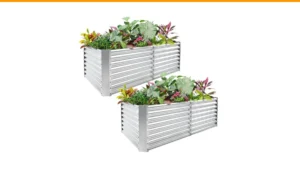
Balcony Container Garden Layout: Maximizing Your Green Space
Contents
Imagine sitting on your balcony, surrounded by vibrant flowers and fresh herbs. The aroma of basil mingles with the sweet scent of blooming geraniums. You glance at your carefully arranged plants, each container thoughtfully placed to create a lush, inviting oasis. A well-planned balcony container garden layout can transform even the smallest outdoor space into a flourishing retreat. In this article, you’ll discover how to design your balcony garden effectively, considering factors like sunlight, wind, and aesthetics.
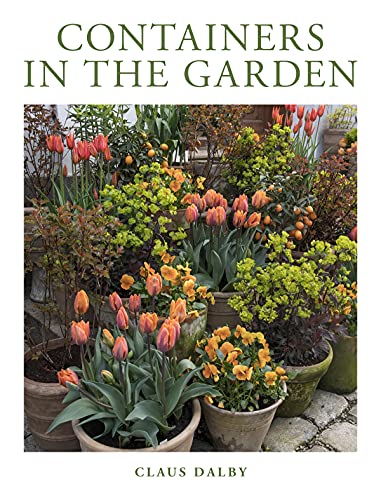
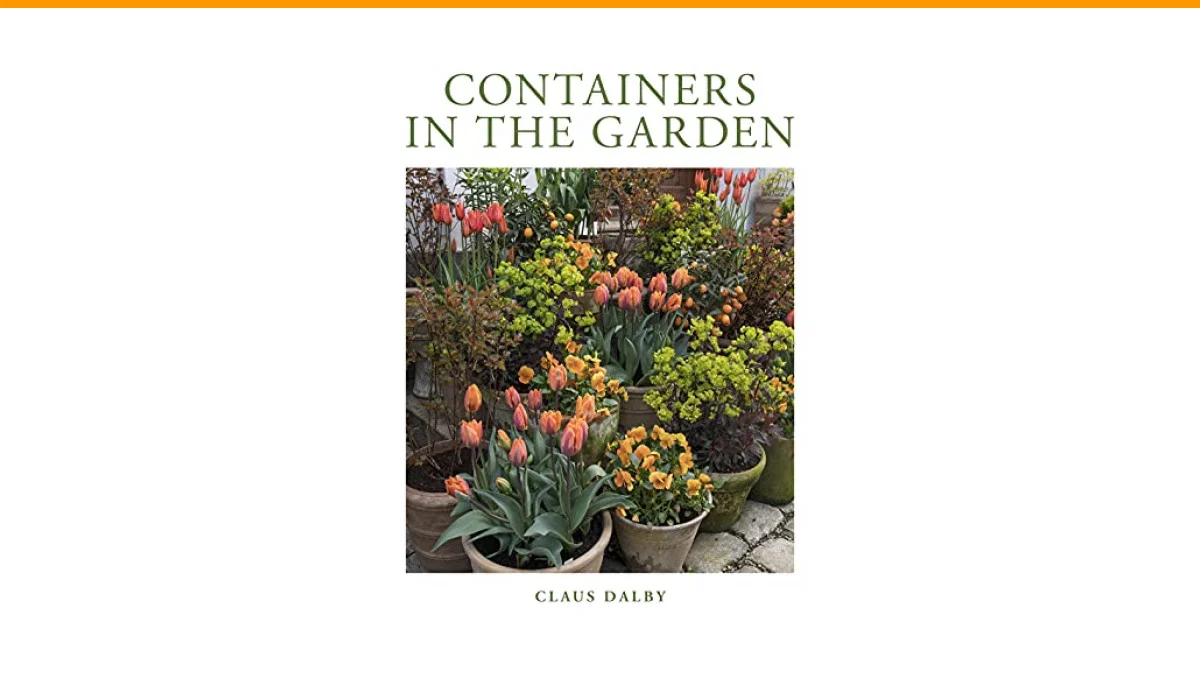
It’s not just about plants; it’s about creating a harmonious space that reflects your style and meets your gardening needs. You’ll walk away with actionable insights into layout designs, plant selections, and maintenance tips. For those looking for even more inspiration, consider checking out Containers in the Garden by Cool Springs Press. This book dives into various container gardening techniques and layouts, making it a valuable resource for both novice and experienced gardeners.
Understanding Your Space and Conditions
The first step in designing a balcony container garden layout is to assess your available space. Measure your balcony dimensions to determine how many containers you can realistically fit. Consider the following:
- Sunlight: Observe how much sun your balcony receives. South-facing balconies get the most light, while north-facing ones may have limited exposure. This influences plant selection.
- Wind: High winds can damage plants. If your balcony is exposed, consider windbreaks or sturdy, low-growing containers.
- Weight Limits: Check your balcony’s weight capacity. Container gardens can get heavy, especially when watered.
Knowing these factors will help you choose the right plants and containers. For instance, if your balcony gets full sun, you might opt for sun-loving plants like succulents or herbs. In contrast, shaded areas are better suited for ferns or shade-tolerant flowers.
Design Elements for Your Balcony Garden Layout
When it comes to layout, consider the following elements to maximize both aesthetic appeal and functionality:
- Layering: Use a tiered approach to create depth. Place taller plants at the back or center and shorter ones at the front to ensure every plant gets adequate sunlight.
- Color Schemes: Choose a color palette that complements your space. For example, vibrant flowers can create a lively atmosphere, while greens and whites can evoke a more serene feel.
- Paths and Access: Ensure there’s enough room to move around. Leave pathways between containers for easy access to plants for watering and harvesting.
A well-thought-out layout not only enhances the beauty of your balcony garden but also makes maintenance easier.
Choosing the Right Containers
Containers come in various materials, sizes, and styles, each impacting your balcony garden layout:
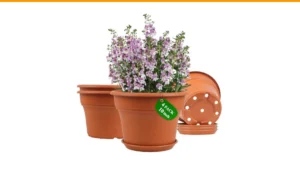
- Material: Clay pots are breathable and ideal for plants that prefer drier soil. Plastic containers retain moisture but may not be as aesthetically pleasing. Metal containers can add a modern touch but may overheat in direct sunlight.
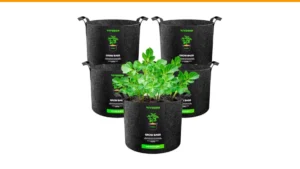
- Size: Consider the mature size of plants. Larger plants need bigger containers to grow healthily. For example, tomatoes require at least a 5-gallon container, while herbs can thrive in smaller pots.
- Drainage: Ensure each container has proper drainage holes to prevent root rot. Use potting mix designed for container gardens to improve water retention and drainage.
Selecting the right containers can significantly affect your plants’ health and the overall aesthetics of your balcony.
Comparative Table of Container Options
| Container Material | Pros | Cons |
|---|---|---|
| Clay | Breathable, good for dry-loving plants | Heavy, can break easily |
| Plastic | Lightweight, affordable, retains moisture | Less aesthetically pleasing, can degrade in sunlight |
| Metal | Modern look, durable | Can overheat, heavy when filled |
| Wood | Natural look, good insulation | Can rot over time, may require treatment |
What plants are best for a balcony container garden?
Choose plants based on your balcony’s sunlight conditions. For full sun, consider herbs like basil or flowers like petunias. In partial shade, ferns or hostas are better suited.
How much space do I need between containers?
Leave at least 12-18 inches between containers for air circulation and to allow for growth. This spacing helps prevent overcrowding and encourages healthy plant development.
How do I care for my balcony container garden?
Regular watering is essential, especially during hot weather. Check soil moisture frequently and fertilize every 4-6 weeks during the growing season. Pruning dead leaves and spent flowers will encourage new growth.
Can I grow vegetables in containers on my balcony?
Yes, many vegetables thrive in containers. Compact varieties of tomatoes, peppers, and lettuce work well. Ensure your containers are large enough (at least 5 gallons for tomatoes) and provide adequate sunlight.
What are the best types of soil for container gardening?
Use a high-quality potting mix designed for container gardening. This type of soil provides excellent drainage and retains moisture, helping your plants thrive.
Take Action with Your Balcony Container Garden
- Assess your balcony’s sunlight and wind conditions.
- Choose plants suited to your environment.
- Design a tiered layout for depth and visual interest.
- Select containers based on materials and size for optimal growth.
- Ensure proper drainage in all containers.
- Regularly maintain your garden with watering and pruning.
- Consider consulting resources like balcony garden layouts for inspiration.
Your balcony container garden layout is a reflection of your personal style and gardening philosophy. With careful consideration of plants, containers, and design, you can create a thriving green space that enhances your outdoor living experience.