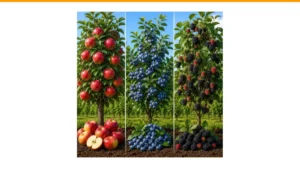
Growing Berry Bushes in Containers: A Comprehensive Guide
Contents

Introduction
Imagine stepping out onto your patio and plucking fresh strawberries or blueberries from a container right outside your door. Growing berry bushes in containers not only makes this delightful scenario possible, but it also allows you to enjoy gardening even in limited spaces. Whether you have a small balcony, a patio, or simply prefer the convenience of container gardening, berry bushes are a fantastic choice.
This article will guide you through selecting the right berry bushes, tips for planting and caring for them, and how to maximize your yield. You’ll walk away with the knowledge needed to cultivate a thriving berry garden right at home.

ZZLAY
30 Pack Natural Pulp Fiber Berry Baskets, Vented Produce Containers
- 【Large Value Pack for Daily Use】: 30 Pack berry baskets provide enough quantity for farmers market, home storage, parties, and gro…
- 【Durable Natural Pulp Fiber Material】: Made of thickened natural pulp fiber, these produce baskets are sturdy yet lightweight. Des…
- 【Breathable Vented Design Keeps Fresh】: The vented basket structure allows proper airflow, reducing moisture buildup and helping f…
If you’re considering hosting a market stall or simply want to keep your home organized, the 30 Pack Natural Pulp Fiber Berry Baskets can be a useful addition. These durable, eco-friendly baskets are perfect for storing and presenting your fresh berries, making them look even more enticing.
Selecting the Right Berry Bushes for Containers
Not all berry bushes are suitable for container growing. Here are some top contenders:
- Strawberries: Everbearing varieties like ‘Quinault’ or ‘Seascape’ produce fruit throughout the summer.
- Blueberries: Choose dwarf varieties such as ‘Top Hat’ or ‘Jelly Bean’ for compact growth.
- Raspberries: Look for bush-type varieties like ‘Heritage’ that thrive in pots.
- Blackberries: Thornless varieties like ‘Columbia Star’ work well in limited spaces.
When selecting your berry bushes, consider the size of your containers and the specific growing conditions. Most berry bushes require at least 12 to 18 inches of depth in their containers. This depth allows for proper root development, which is critical for fruit production.
Planting Your Berry Bushes
Once you’ve selected your berry bushes, it’s time to plant them. Follow these steps for successful planting:
- Choose the Right Container: Use pots with drainage holes to prevent waterlogging. A size of 5 gallons is ideal for most berry bushes.
- Use Quality Potting Mix: Opt for a well-draining potting mix that retains moisture but allows excess water to escape. A mix specifically formulated for berries works best.
- Planting Depth: Place the root ball of the berry bush at the same depth it was growing in its nursery pot. Cover the roots gently with soil.
- Water Thoroughly: After planting, water the bush thoroughly to settle the soil around the roots.
Pro tip: Consider adding a slow-release fertilizer formulated for fruiting plants to ensure your bushes have the nutrients they need.
Caring for Container Berry Bushes
Caring for your berry bushes is crucial for a bountiful harvest. Here are key care tips:
- Watering: Berry bushes in containers need consistent moisture. Water them when the top inch of soil feels dry. During hot months, this could mean watering every day.
- Fertilizing: Use a balanced fertilizer every 4-6 weeks during the growing season. Follow the manufacturer’s instructions for application rates.
- Pruning: Prune your bushes in late winter or early spring to encourage new growth and improve air circulation.
- Sunlight: Ensure your berry bushes receive at least 6-8 hours of sunlight daily for optimal fruit production.
Container Maintenance and Harvesting
Container maintenance is essential to keep your berry bushes healthy:
- Check for Pests: Regularly inspect your plants for aphids or spider mites. Treat infestations promptly with insecticidal soap or neem oil.
- Mulching: Apply a 2-inch layer of mulch to help retain moisture and suppress weeds.
- Harvesting: Harvest berries when they are fully colored and slightly soft to the touch. This ensures the best flavor.
With proper care, your berry bushes can produce fruit for several years. Keep in mind that some varieties may take a year or two to bear fruit, but the wait is well worth it.
| Berry Type | Container Size | Best Varieties | Fruiting Time |
|---|---|---|---|
| Strawberries | 5 gallons | Quinault, Seascape | June to September |
| Blueberries | 5-10 gallons | Top Hat, Jelly Bean | July to August |
| Raspberries | 5 gallons | Heritage | June to September |
| Blackberries | 5-10 gallons | Columbia Star | July to August |
What types of berries can I grow in containers?
You can grow strawberries, blueberries, raspberries, and blackberries in containers. Choose compact or dwarf varieties for best results.
How often should I water my container berry bushes?
Water your container berry bushes when the top inch of soil feels dry. In hot weather, this may require daily watering.
Do I need to fertilize my berry bushes?
Yes, use a balanced fertilizer every 4-6 weeks during the growing season to support fruit production.
Can I grow berry bushes indoors?
Yes, you can grow certain berry bushes indoors, provided they receive adequate light and warmth, ideally through a south-facing window or with grow lights.
When will my berry bushes start producing fruit?
Most berry bushes will begin producing fruit in their second year, but some can take longer, depending on the variety.
Final Thoughts
- Choose the right berry varieties suited for containers.
- Use quality potting mix and appropriately sized containers.
- Water consistently, especially during hot weather.
- Fertilize regularly for better yields.
- Monitor for pests and diseases to keep plants healthy.
- Be patient; some berries take a year to produce fruit.
- Consider using container berry bushes for more options.