Imagine coming home after a long day, only to find your beloved container plants wilted and dry. This scenario is all too familiar for many plant enthusiasts. Container gardening offers flexibility and beauty, but it also demands a specific approach to watering. The right techniques can make all the difference between flourishing plants and a garden that struggles. In this article, you’ll learn practical watering tips for container gardens, ensuring your plants stay vibrant and healthy.
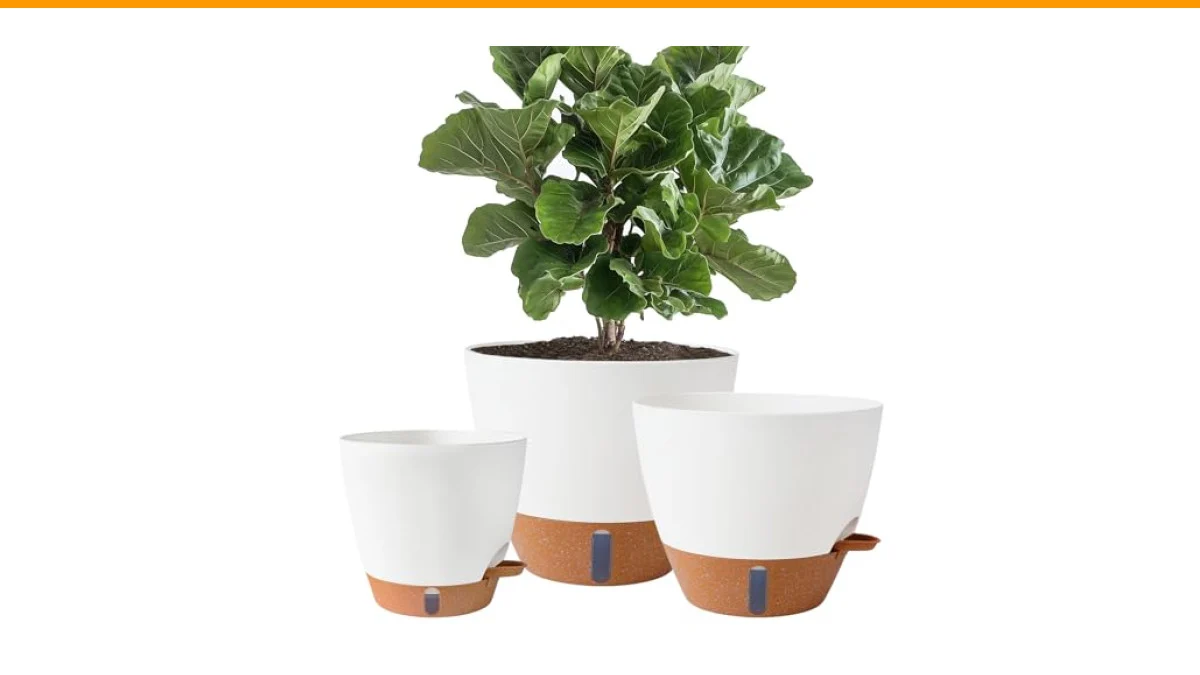
For those looking for a simplified watering solution, consider the Fielda self-watering pots. These pots are designed with a water level indicator and a unique absorbent cotton wick system, providing consistent moisture for your plants while minimizing your maintenance efforts.

Fielda
Fielda 8/10/12 Inch Self Watering Pots for Indoor/Outdoor Plants | Large Plastic Planter with Drainage Holes, Water Level Indicator & Deep Reservoir, Modern Decorative Flower Pots, White
- 🌿【Self-Watering Pots with Water Level Indicator】 Designed for busy plant lovers, our 8/10/12 self-watering pots feature a built-in…
- 💧【Planters with Drainage & Detachable Trays】 Each plastic plant pot includes a REMOVABLE SAUCER TRAY and strategic DRAINAGE HOLES…
- 🛡【Durable Plastic Construction】Crafted from premium HIGH-TEMPERATURE-RESISTANT PLASTIC, these lightweight yet sturdy self-watering…
Understanding Water Needs of Container Plants
How much water do your plants actually need? Container plants have different requirements compared to those in the ground. Factors such as pot size, plant type, and environmental conditions all play a role. Generally, smaller pots dry out faster than larger ones, so they require more frequent watering. Plants like succulents need less water, whereas tropical plants thrive on moisture.
A good rule of thumb is to check the soil moisture regularly. Stick your finger about an inch into the soil. If it feels dry, it’s time to water. For most container plants, watering deeply once a week is effective. However, in hotter months, you might need to adjust this frequency.
Watering Techniques for Container Gardens
What’s the best way to water your plants? Here are some techniques to ensure your plants receive adequate hydration:
- Soak and Drain: Water your plants until water drains out of the bottom of the container. This method ensures the entire root system receives moisture.
- Use a Watering Can: A watering can allows for controlled watering. Aim for the base of the plant to avoid wetting the leaves, which can lead to fungal issues.
- Drip Irrigation: For larger setups, consider installing a drip irrigation system. This provides consistent moisture without oversaturating the soil.
- Self-Watering Pots: Using self-watering pots, like those from Fielda, can simplify your watering routine. They automatically regulate moisture levels, making them ideal for busy lifestyles.
Factors Affecting Watering Frequency
Why does your watering schedule change? Several environmental factors influence how often you should water:
- Temperature: Hotter weather increases evaporation, so plants may need more water.
- Humidity: In high humidity, soil retains moisture longer, reducing watering frequency.
- Wind: Wind can dry out plants quickly. Consider checking them more frequently on windy days.
- Plant Size: Larger plants with extensive root systems may require more water than smaller ones.
Keeping an eye on these factors helps you adapt your watering schedule effectively.
Comparison of Watering Methods
| Watering Method | Pros | Cons |
|---|---|---|
| Soak and Drain | Deep watering ensures all roots get moisture | Can lead to overwatering if not monitored |
| Watering Can | Easy to control the amount of water | Can be tiring for large gardens |
| Drip Irrigation | Consistent moisture with minimal effort | Initial setup can be expensive |
| Self-Watering Pots | Regulates moisture automatically | Limited to the capacity of the reservoir |
How often should I water my container garden?
Most container gardens need watering once a week, but this can vary based on the factors discussed. Monitor your plants closely to establish the right schedule.
What signs indicate my container plants need water?
Look for drooping leaves, dry soil, or brown leaf tips. These signs suggest it’s time to water.
Can I overwater my container plants?
Yes, overwatering can lead to root rot. Ensure your pots have proper drainage and monitor moisture levels.
What type of water is best for container gardens?
Rainwater is ideal because it’s naturally soft and free from chemicals. Tap water is fine too, but let it sit for 24 hours to allow chlorine to dissipate.
Are there plants that require less water in container gardens?
Yes, succulents and cacti thrive on minimal water. They’re great options for low-maintenance container gardens.
Practical Tips for Efficient Watering
- Use a moisture meter to check soil dryness accurately.
- Water early in the morning or late in the evening to reduce evaporation.
- Group plants with similar watering needs together.
- Adjust your watering schedule seasonally for best results.
- Consider using mulch to retain moisture in the soil.
These strategies will help you maintain a healthy, vibrant container garden.