Introduction
Imagine stepping into a garden that flourishes without constant watering. In regions where drought is common or water resources are limited, xeriscaping provides a practical solution. This landscaping method focuses on using native plants and efficient irrigation techniques to create vibrant gardens that require minimal maintenance.
This article delves into the core principles of xeriscaping design. You’ll learn how to implement these strategies effectively to cultivate a beautiful, sustainable landscape. Whether you’re a seasoned gardener or just starting, these principles will guide you in reshaping your outdoor space.

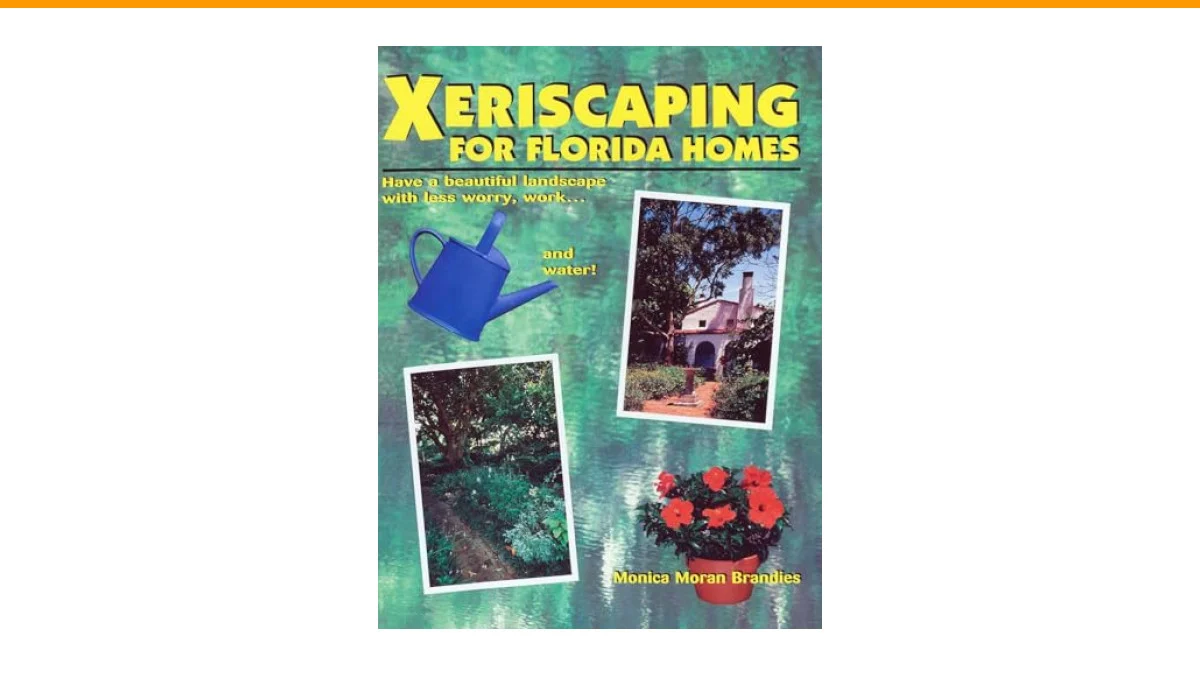
For additional insights, the book Xeriscaping For Florida Homes is a valuable resource. It offers specific strategies tailored for homeowners in Florida, helping you adapt xeriscaping principles to the unique climate and soil conditions of the region.
Understanding the Seven Principles of Xeriscaping
Xeriscaping is built on seven fundamental principles that promote water conservation while enhancing the aesthetic appeal of your garden. Here’s a closer look at each:
- 1. Planning and Design: Before planting, assess your space. Consider factors like sunlight, soil type, and existing vegetation. A well-thought-out design maximizes plant health and minimizes water use.
- 2. Soil Improvement: Healthy soil holds moisture better. Amend your soil with organic matter like compost to improve its structure and nutrient content. This step is essential for supporting plant life.
- 3. Plant Selection: Choose native and drought-resistant plants. These species are adapted to local climate conditions and require less water. For example, opting for succulents or native grasses can significantly reduce irrigation needs.
- 4. Efficient Irrigation: Use drip irrigation systems or soaker hoses to deliver water directly to the plant roots. This method reduces evaporation and conserves water, making it more efficient than traditional sprinklers.
- 5. Mulching: Apply a layer of mulch around plants to reduce evaporation, suppress weeds, and keep soil temperatures stable. Organic mulches, like wood chips or straw, also enrich the soil as they decompose.
- 6. Maintenance: Regular maintenance is essential for the health of your xeriscaped garden. Pruning, weeding, and monitoring irrigation systems help keep your landscape thriving.
- 7. Landscape Redesign: Revisit and adjust your landscape as plants grow and seasons change. Adapting your design can enhance water efficiency and aesthetic appeal over time.
Benefits of Xeriscaping
The advantages of xeriscaping extend beyond water conservation. Here are a few significant benefits:
- Reduced Water Usage: Xeriscaping can cut water usage by up to 50%, making it ideal for arid regions.
- Lower Maintenance: Native plants require less upkeep, saving time and effort.
- Environmental Impact: Drought-tolerant landscapes support local wildlife and reduce environmental stress.
- Aesthetic Appeal: A well-planned xeriscape can be as visually appealing as traditional landscapes, with a variety of colors and textures throughout the seasons.
Xeriscaping Design Table
| Principle | Description |
|---|---|
| Planning and Design | Carefully assess the landscape to optimize plant placement and irrigation needs. |
| Soil Improvement | Enrich soil with organic matter to enhance moisture retention and fertility. |
| Plant Selection | Choose native, drought-resistant plants to minimize water needs and ensure adaptability. |
| Efficient Irrigation | Implement drip irrigation systems to target roots and reduce waste. |
| Mulching | Use organic mulch to retain moisture and suppress weeds. |
| Maintenance | Regularly prune and monitor plants and irrigation systems for optimal health. |
| Landscape Redesign | Adapt your design over time to enhance efficiency and beauty. |
Common Questions About Xeriscaping
What types of plants are best for xeriscaping?
Native plants and drought-resistant species are ideal for xeriscaping. Examples include lavender, agave, and various native grasses. These plants thrive in local conditions and require minimal water.
How much water can I save with xeriscaping?
Implementing xeriscaping can lead to water savings of 30-50%. This is particularly beneficial in areas facing water restrictions or drought.
Can I xeriscape in any climate?
Xeriscaping principles apply universally but adapt based on local climate. While the plant selection will differ, the core principles of soil improvement and efficient irrigation remain relevant.
Is xeriscaping expensive to start?
Initial costs can vary. Native plants may cost more upfront, but they require less maintenance and water over time, providing long-term savings.
How do I maintain a xeriscaped garden?
Maintenance includes regular watering (only when necessary), trimming, and monitoring soil moisture. Using mulch helps reduce maintenance needs as well.
Final Thoughts on Xeriscaping
- Plan your xeriscape layout carefully to optimize space and resources.
- Improve your soil with organic amendments to support plant health.
- Select native, drought-tolerant plants for the best results.
- Utilize efficient irrigation systems like drip lines for effective watering.
- Implement mulching to retain moisture and suppress weeds.
- Commit to regular maintenance to keep your garden thriving.
- Be open to redesigning your landscape as plants grow and conditions change.