Imagine walking into your garden, only to find your precious tomatoes and strawberries pecked at and ruined by hungry birds. It’s a frustrating experience many gardeners face, but it doesn’t have to be this way. Bird netting is a practical solution that can safeguard your vegetables, ensuring that you enjoy the fruits of your labor without interference from wildlife.
This article aims to provide you with a comprehensive understanding of bird netting for vegetable protection. You’ll learn about the different types of netting available, installation tips, and how to choose the right product for your needs. By the end, you’ll be well-equipped to protect your garden from unwelcome visitors.

Feitore
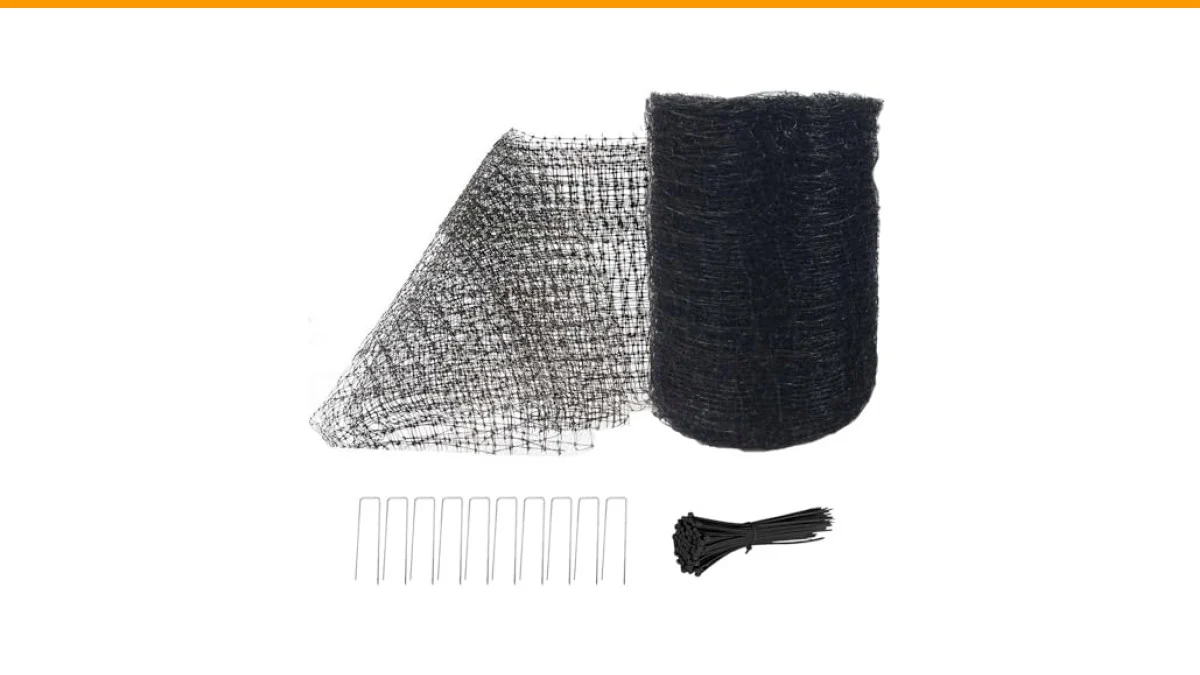
Feitore Deer Fence Netting, 7x100ft Garden Net Bird Netting,Reinforced Edge | Anti-UV Garden Fencing Kit for Plants Fruit Tree Vegetable Protection from Animals, 3/4" Fine Mesh, 10 Stakes & 50 Zip Ties
- Size: Deer netting size 7 feet x 100 feet; garden netting mesh size 3/4"; color: black; Easy to use accessories included: 10pcs in…
- Strong & Reusable: Tough deer fence barrier netting is made from high quality polypropylene(PP), lightweight yet heavy duty, It wo…
- Safe & Economical: The 3/4 inch square mesh design of our deer fencing provides maximum protection for your garden plants, fruits,…
A recommended option for gardeners is the Feitore Deer Fence Netting. It measures 7 feet by 100 feet and features a mesh size of 3/4 inch, providing robust protection against birds and small animals while remaining safe for your plants. With installation accessories included, it offers a convenient and effective way to shield your vegetables.
Understanding Bird Netting
Bird netting is designed to create a barrier between birds and your garden crops. It allows sunlight and rain to reach plants while effectively deterring birds from accessing fruits and vegetables. Common materials include polypropylene, nylon, and polyethylene, each offering unique benefits.
When selecting bird netting, consider the following factors:
- Mesh Size: A mesh size of 3/4 inch is ideal for most garden applications. It prevents small birds from getting through while allowing beneficial insects access.
- Material: Look for durable materials like polypropylene, which is lightweight yet strong and resistant to tearing and weathering.
- Color: Black or green netting blends well with garden backgrounds, making it less visible to birds.
Installation Tips for Bird Netting
Installing bird netting can be straightforward if you follow a few essential steps. Here’s how to do it effectively:
- Measure Your Garden: Determine the dimensions of the area you want to protect. This helps in cutting the netting to the appropriate size.
- Prepare the Area: Clear the space of any debris or obstacles that could interfere with the netting installation.
- Install Supports: Use stakes or posts to create a frame around your garden. This will support the netting and prevent it from touching the plants.
- Attach the Netting: Drape the netting over the frame and secure it using installation nails or cable ties. Ensure it is taut and doesn’t sag onto the plants.
- Monitor Your Setup: Regularly check the netting for any tears or holes that may form. Repair or replace damaged sections promptly.
Following these steps will provide a solid barrier against birds without compromising your plants’ growth.
Comparing Bird Netting Options
| Product | Size | Mesh Size | Material | Ideal Use |
|---|---|---|---|---|
| Feitore Deer Fence Netting | 7 ft x 100 ft | 3/4 inch | Polypropylene | Vegetable gardens, shrubs |
| Garden Bird Netting | 14 ft x 14 ft | 1 inch | Nylon | Small gardens, potted plants |
| Plant Protection Netting | 10 ft x 20 ft | 1/2 inch | Polyethylene | Fruit trees, berry bushes |
| Heavy-Duty Bird Netting | 20 ft x 30 ft | 1 inch | Polypropylene | Large gardens, commercial use |
Frequently Asked Questions
1. How long does bird netting last?
Most bird netting can last several seasons if properly maintained. Look for UV-resistant materials to extend its lifespan, especially if it will be exposed to sunlight for long periods.
2. Can bird netting harm birds?
When installed correctly, bird netting should not harm birds. Choose netting with a mesh size small enough to prevent entrapment and ensure it is taut to avoid sagging.
3. What is the best time to install bird netting?
Install bird netting before your crops begin to ripen. This usually means putting it up in early spring or late winter, depending on your local climate and planting schedule.
4. Is bird netting reusable?
Yes, most bird netting is reusable. After the growing season, remove it carefully to avoid tearing and store it in a dry place for future use.
5. How do I clean bird netting?
Cleaning bird netting is simple. Use a soft brush or cloth to remove dirt and debris. For stubborn stains, a mild soap solution can be used. Rinse thoroughly and let it dry before storing.
Final Thoughts on Bird Netting for Vegetable Protection
- Bird netting effectively protects your vegetable garden from unwanted pests.
- Choose the right mesh size and material for best results.
- Installation can be completed in a few simple steps.
- Regular maintenance will prolong the life of your netting.
- Consider the Feitore Deer Fence Netting for a reliable and robust solution.
- Monitor your garden regularly to ensure it’s effectively protected.
- Don’t forget to enjoy the fruits of your labor without worry!