Dealing with Moles: A Common Garden Woe
Many gardeners face the frustration of moles making their home in their lawns and gardens. These small, burrowing mammals can wreak havoc, creating tunnels that disrupt the roots of plants and damage your carefully manicured landscape. If you’ve ever stepped on a soft patch of soil only to find it gives way beneath your feet, you know the telltale signs of a mole invasion. Understanding how to manage these pests effectively can save your garden from further damage.
This article provides a comprehensive overview of mole control in gardens. You’ll learn about various methods to deter moles, the effectiveness of traps, and how to create an environment that discourages their presence. You’ll also discover a recommended product that can help you achieve swift results.

POlAFLEX
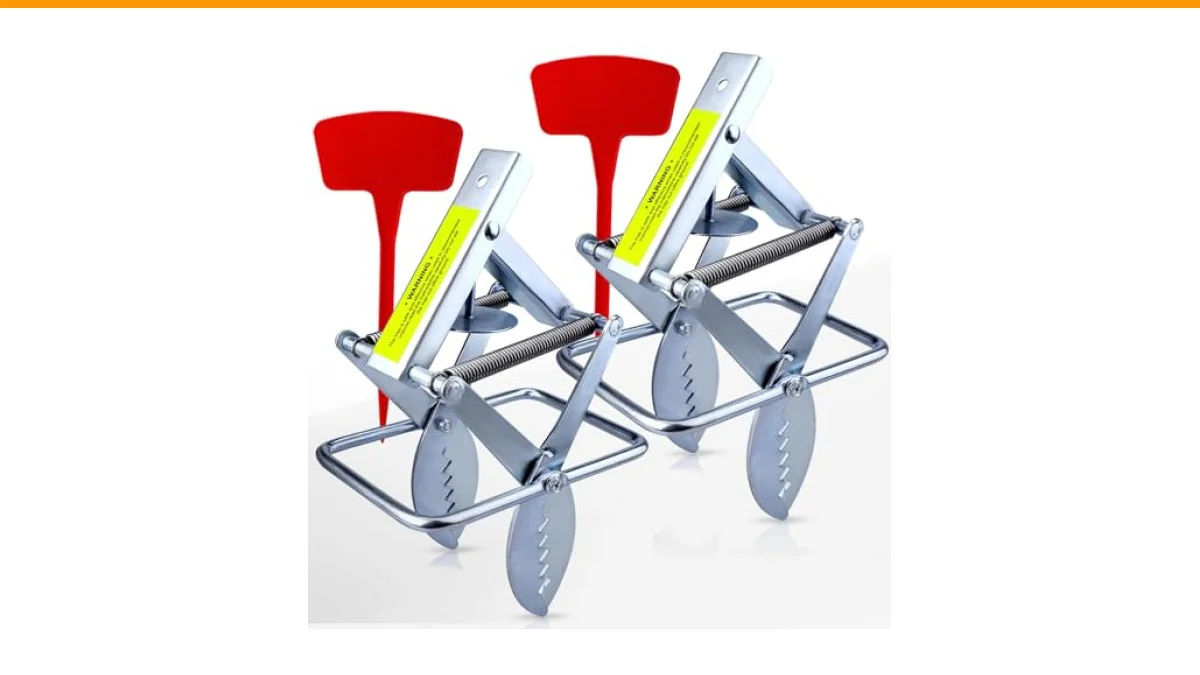
Mole Trap Scissor 2 Pack, Polaflex Mole Traps for Lawns, Step-Set | Easy Step-Set Design Durable Galvanized Steel Effective Lawn Mole Killer Scissor Action Mechanism
- SWIFT MOLE MASTERY: Our scissor-like traps have garnered acclaim for swiftly and efficiently tackling mole invasions. Customers ha…
- ELEVATE YOUR SETUP GAME: While a bit of finesse is required, our traps reward you with unmatched efficiency. Key tips include push…
- CRAFTED FOR DURABILITY: Dive into worry-free mole control with our traps—built tough for lasting impact. Embrace the outdoors with…
One highly regarded solution is the Polaflex Mole Trap Scissor 2 Pack. These traps are designed for efficiency and safety, allowing you to tackle mole problems head-on without resorting to harmful chemicals. They work best in moist, loamy soils, making them an excellent choice for most garden settings.
Understanding Moles and Their Behavior
Before launching into control methods, it’s helpful to understand the mole’s behavior. Moles are primarily solitary creatures, spending most of their lives underground. They are active year-round, and their diet consists mainly of insects and earthworms. This diet is beneficial for the garden, as they aerate the soil and control pest populations. However, their tunneling can lead to significant damage.
Moles typically dig their tunnels in search of food, often leaving a series of raised ridges on the surface. If you notice these telltale signs, it’s time to consider mole control methods. The key is to strike a balance between managing their population while maintaining the benefits they provide.
Effective Methods for Mole Control
Several methods can effectively manage moles in your garden. Here’s a breakdown of the most common approaches:
- Trapping: This is considered one of the most humane and effective ways to control moles. Using traps like the Polaflex mole traps allows for quick capture without the use of poisons. Proper placement is critical; place traps in active tunnels for the best results.
- Repellents: Natural repellents, such as castor oil, can deter moles. Mixing castor oil with water and spraying it around your garden may keep them at bay. However, this method typically requires frequent reapplication, especially after rain.
- Physical Barriers: Installing underground fencing can prevent moles from entering specific areas. Use hardware cloth or wire mesh buried at least 12 inches deep to create a barrier. This method can be labor-intensive but effective.
- Soil Management: Moles prefer moist, loose soil. Improving drainage and avoiding overwatering can make your garden less inviting. Consider planting drought-resistant plants that thrive in drier conditions.
Trapping generally yields the quickest results, particularly with high-quality traps like those from Polaflex. The ease of setup and effectiveness makes it a preferred method among many gardeners.
Comparative Options for Mole Control
| Method | Effectiveness | Safety | Ease of Use |
|---|---|---|---|
| Trapping | High | Safe for pets and children | Moderate, requires setup |
| Repellents | Moderate | Generally safe | Easy, but requires reapplication |
| Physical Barriers | High | Safe | Labor-intensive |
| Soil Management | Moderate | Safe | Moderate, requires understanding of soil |
Common Questions About Mole Control
How do I know if I have moles in my garden?
Look for raised ridges in the soil and small mounds of dirt. These signs indicate active tunneling.
What time of year is best for mole control?
Moles are active year-round, but spring and fall are when they are most likely to create visible damage.
Can I use poison for mole control?
While poison is available, it’s not recommended. It poses risks to pets and beneficial wildlife.
How long will it take to see results from traps?
Results can vary, but many users report capturing moles within a few days of setting traps properly.
Are there any natural ways to deter moles?
Yes, using castor oil or planting specific flowers like marigolds can deter moles naturally.
Final Thoughts on Mole Control in Your Garden
- Assess your garden for signs of moles regularly.
- Consider humane trapping as your primary method for mole control.
- Implement soil management techniques to deter moles.
- Use natural repellents for a safer approach.
- Install physical barriers if you have specific areas to protect.
- Research and invest in quality traps like the Polaflex for effective results.
- Stay informed about best practices for ongoing mole management.