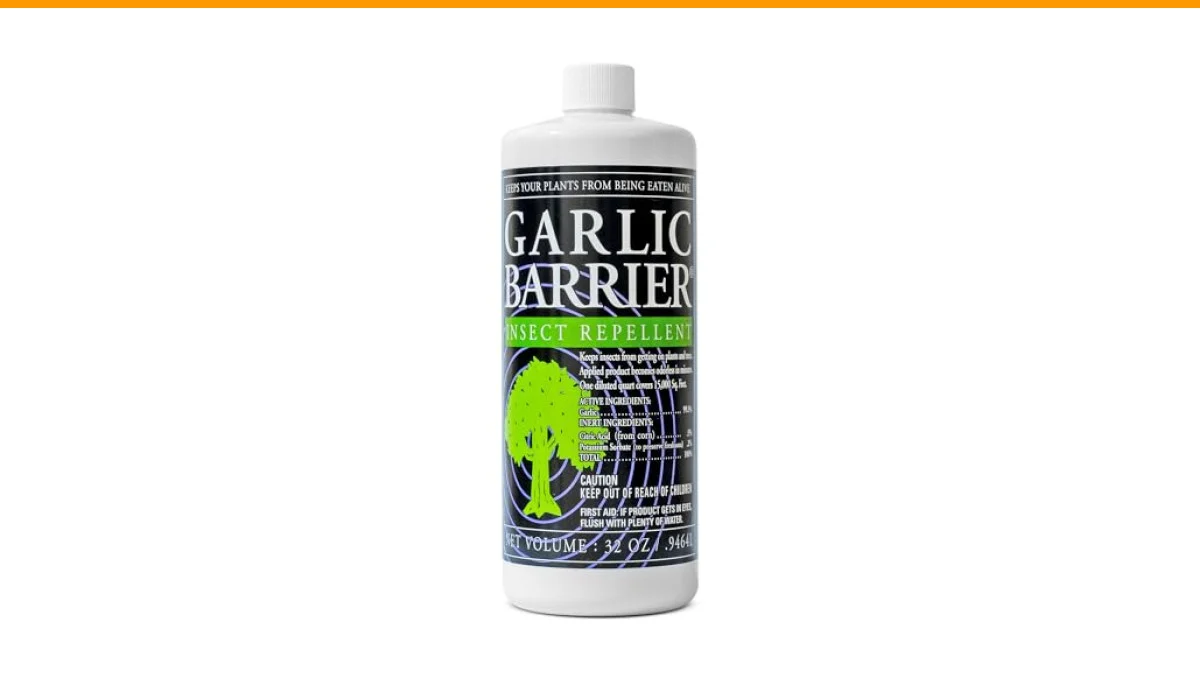
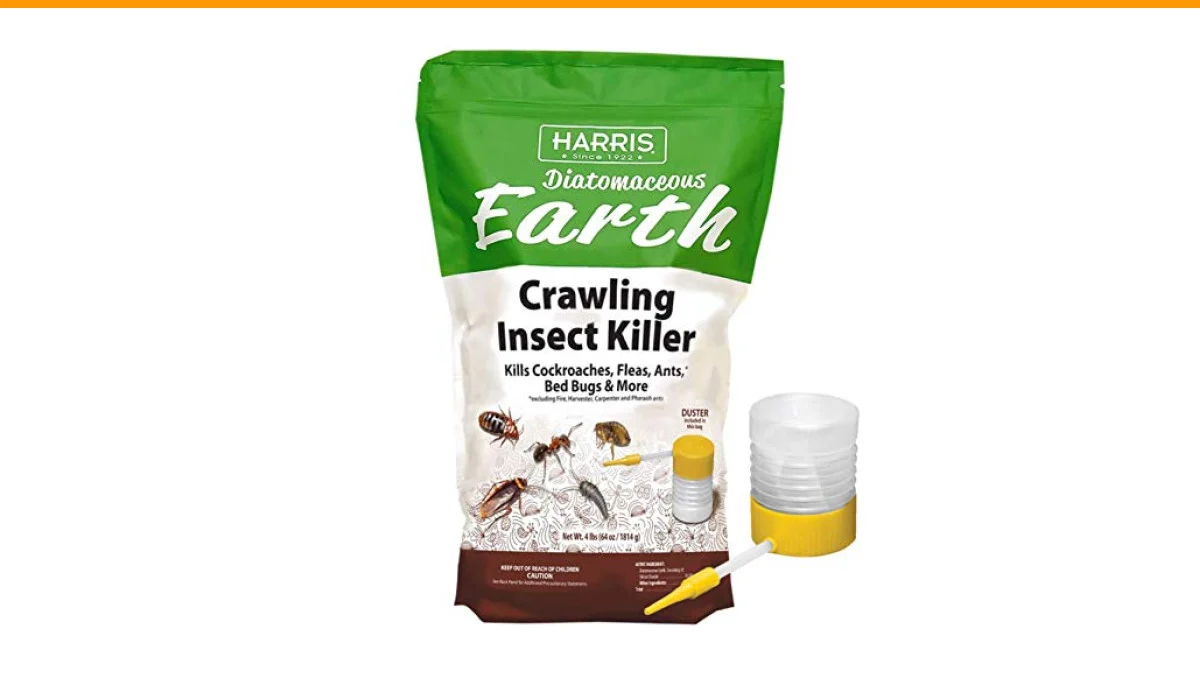
Imagine tending your garden and spotting an unexpected invasion of aphids on your prized tomato plants. If you’ve ever faced such a situation, you know the frustration that comes with pest control. Many gardeners struggle with the decision to use chemical pesticides or to let nature take its course. Fortunately, there’s a middle ground: companion planting for pest control.
This method involves strategically planting certain plants near each other to naturally deter pests, enhance growth, and improve overall garden health. In this article, you will learn the principles of companion planting, discover effective plant pairings, and understand how to implement this technique in your own garden.

For those wanting to dive deeper into the world of companion planting, Companion Planting for Beginners: Pair Your Plants for a Bountiful, Chemical-Free Vegetable Garden serves as a practical guide. It offers insights into plant pairings that can enhance your gardening efforts without relying on harmful chemicals.

Understanding Companion Planting
Companion planting is rooted in the belief that certain plants can benefit each other when grown in proximity. This could mean repelling pests, attracting beneficial insects, or improving soil quality. The concept dates back centuries and has been utilized by various cultures worldwide. For instance, the Native Americans practiced companion planting by sowing corn, beans, and squash together, known as the “Three Sisters” method.
When considering companion planting for pest control, it’s essential to understand the relationships between plants. Some plants produce natural chemicals that repel pests, while others may attract beneficial insects like ladybugs or lacewings, which feed on harmful pests.
Effective Plant Pairings for Pest Control
Here are some tried-and-true pairings that can help control pests in your garden:
- Marigolds and Tomatoes: Marigolds release a scent that repels nematodes and aphids, making them ideal companions for tomatoes.
- Basil and Peppers: Basil not only enhances the flavor of peppers but also repels aphids and spider mites.
- Nasturtiums and Cabbage: Nasturtiums attract aphids away from cabbage plants, effectively acting as a trap crop.
- Garlic and Roses: Planting garlic near roses can deter aphids and other pests that damage rose bushes.
These pairings are just a starting point. It’s worth experimenting to see what combinations work best in your specific conditions.
Implementing Companion Planting in Your Garden
Successfully implementing companion planting requires careful planning. Here are steps to follow:
- Assess Your Garden Space: Understand the layout of your garden and the sun and water requirements of different plants.
- Choose Compatible Plants: Research plant pairings that will thrive together and deter pests. Reference guides or use resources like this helpful article.
- Plan Your Layout: Create a planting plan that considers the growth habits and spacing needs of companion plants.
- Monitor and Adjust: Observe your garden regularly to see how well the plants are working together. Adjust as necessary based on pest activity and plant health.
Adapting your garden layout to incorporate companion planting can take some time, but the results are well worth the effort.
Comparative Table of Companion Planting Methods
| Plant Pairing | Pest Deterrent | Additional Benefits |
|---|---|---|
| Marigolds + Tomatoes | Nematodes, Aphids | Enhances tomato flavor |
| Basil + Peppers | Aphids, Spider Mites | Improves pepper growth |
| Nasturtiums + Cabbage | Aphids | Acts as a trap crop |
| Garlic + Roses | Aphids | Enhances rose health |
What is the best way to start with companion planting?
Begin with a few simple pairings that you can easily manage. Choose plants that you already grow or want to introduce, and ensure they have compatible growing conditions.
How do I know which plants repel pests?
Research is key. Many gardening books and online resources provide detailed information on pest-repelling plants. Observing local gardening communities can also yield valuable insights.
Can companion planting be used in containers?
Absolutely! Companion planting works well in container gardens. Just ensure the plants you choose have similar water and sunlight requirements.
Do companion plants compete for nutrients?
Some plants can compete for nutrients, especially if their root systems are similar. Therefore, choose pairings that have complementary growth habits and nutrient needs.
Is companion planting effective for all pests?
While companion planting can significantly reduce pest populations, it may not eliminate them entirely. Some pests can be persistent, so it’s wise to monitor your plants regularly.
Take Action in Your Garden
- Start with simple plant pairings like marigolds with tomatoes.
- Research pest-repelling plants specific to your garden’s ecosystem.
- Plan your garden layout thoughtfully, considering each plant’s needs.
- Monitor your garden regularly and adjust plant pairings as needed.
- Engage with local gardening communities for additional tips.
- Consider using a companion planting guide to deepen your knowledge.
- Be patient and experiment; companion planting often requires time to show results.