Imagine a corner of your yard that receives little sunlight, yet is bursting with life and color. A shade garden can transform these often-overlooked spaces into lush, thriving retreats. Whether it’s a shaded patio, the area beneath a large tree, or north-facing borders, the right plants can create a breathtaking display even in low light. This article offers a wealth of shade garden design ideas to help you maximize these unique spaces.
In this guide, you’ll learn how to select the best plants, design layouts that complement your landscape, and maintain your shade garden for year-round beauty. You’ll walk away with practical tips and inspiration, making your shaded areas the envy of the neighborhood.

CZ Grain
6 Crimson Sky Caladium Bulbs for Planting, Red Foliage Tubers for Shade | Crimson Sky caladium • Red leaves with pink splotches, dark crimson veins and deep green margins • Compact growth | 6 bulbs
- RICHLY COLORED FOLIAGE: Crimson Sky caladium grows decorative red leaves with pink and green accents for warm season color. Use th…
- SIX TUBERS TO ARRANGE: Group the tubers in one appropriately sized container or divide them among a few smaller garden areas. In a…
- PLANT WHEN THE SOIL WARMS: Wait until frost has passed and garden soil is warm before planting outdoors. Place each tuber with its…
For those looking to add vibrant color to their shade gardens, consider the 6 Crimson Sky Caladium Bulbs. These fancy perennial elephant ear plants thrive in partial to full shade, showcasing stunning crimson and green foliage that can turn heads in any garden setting.
Understanding Shade Conditions
Before planting, it’s crucial to assess the light conditions in your garden. Shade can be categorized into three types:
- Full shade: Areas receive less than 3 hours of direct sunlight daily.
- Partial shade: These spots get 3 to 6 hours of sunlight, often filtered through trees or structures.
- Dappled shade: Light filters through tree branches, creating a mosaic of sun and shadow throughout the day.
Knowing your garden’s light conditions will help you choose the right plants. For instance, full shade gardens thrive with plants like ferns and hostas, while partial shade areas can accommodate caladiums and astilbes.
Selecting the Right Plants
Choosing the right plants is essential for a thriving shade garden. Here are several categories of shade-loving plants that can add texture and color:
- Foliage Plants: Hostas, ferns, and heucheras provide diverse leaf shapes and colors. Hostas are available in various sizes and shades of green, while ferns add a delicate touch.
- Flowering Plants: Consider plants like astilbes, bleeding hearts, and caladiums. Astilbes produce feathery plumes in shades of pink and white, while bleeding hearts offer a unique heart-shaped bloom.
- Ground Covers: Use creeping phlox or ajuga to fill in gaps and prevent weeds. These plants spread quickly and can handle low light.
When designing your shade garden, think about layering your plants. Taller plants can go in the back, with medium-sized plants in the middle and shorter ones at the front for visual interest.
Design Layouts for Shade Gardens
Creating an appealing layout for your shade garden can enhance its overall aesthetic. Here are some design ideas:
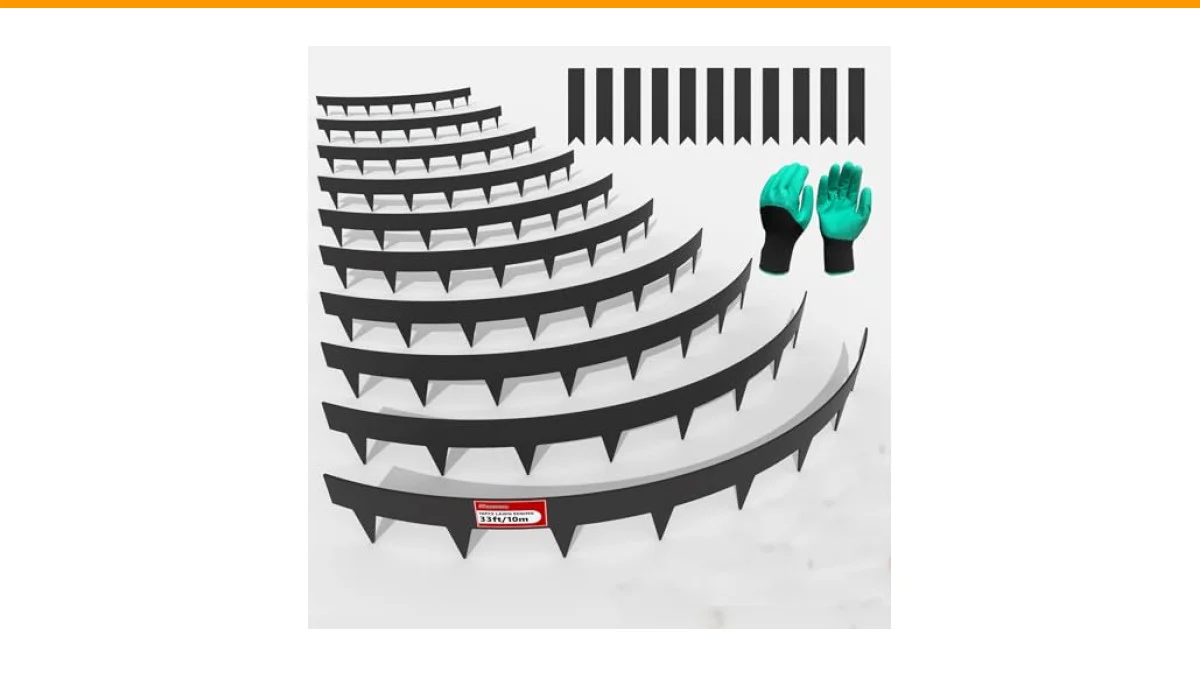
- Curved Borders: Use curved beds instead of straight lines to create a more natural look. This design softens the edges and allows for a more organic feel.
- Layered Planting: Arrange plants in layers, with tall plants at the back and shorter ones in the front. This approach maximizes visibility and creates depth.
- Pathways: Incorporate stepping stones or gravel paths to guide visitors through the garden. Pathways can help define space and add structure.
- Seating Areas: Create small seating spots within your garden to encourage appreciation of the surroundings. Benches or chairs tucked among the plants provide a peaceful retreat.
Consider using feng shui principles to enhance the energy flow in your garden. Positioning plants and features thoughtfully can create harmony and balance.
Maintenance and Care Tips
Maintaining a shade garden requires some attention, but it’s generally less labor-intensive than sunny gardens. Here are key maintenance tips:
- Watering: Most shade plants prefer moist, well-drained soil. Water your garden regularly, especially during dry spells.
- Mulching: Apply a 2-3 inch layer of mulch to retain moisture and suppress weeds. Organic mulches like shredded bark also improve soil quality as they break down.
- Fertilizing: Use a balanced, slow-release fertilizer in early spring to encourage growth. Avoid over-fertilizing, as this can lead to weak plants.
- Pruning: Regularly remove dead or damaged foliage to encourage new growth and maintain plant health.
- Pest Control: While shade gardens may attract fewer pests, keep an eye out for common problems like slugs or aphids. Natural pest control methods can help manage these issues.
FAQs About Shade Garden Design
What types of plants thrive in full shade?
Plants like hostas, ferns, and astilbes are excellent choices for full shade. They flourish in low-light conditions and add varied textures to your garden.
How can I improve soil quality in a shade garden?
Incorporate organic matter such as compost or well-rotted manure to improve soil quality. This addition enhances drainage and provides essential nutrients.
Are there any flowering plants for a shady area?
Yes, many flowering plants thrive in shady conditions. Options include bleeding hearts, hellebores, and caladiums, which bring color to darker spots.
How often should I water my shade garden?
Watering depends on the specific plants and weather conditions. Generally, check the soil moisture; if it feels dry an inch below the surface, it’s time to water.
Can I create a shade garden in a container?
Absolutely! Many shade-loving plants do well in containers. Choose suitable pots and ensure they have drainage holes for optimal growth.
Final Thoughts on Shade Garden Design
- Assess light conditions before planting.
- Select a mix of foliage, flowering, and ground cover plants.
- Utilize curved borders and layered plantings for a natural look.
- Incorporate pathways and seating areas for aesthetic appeal.
- Regular maintenance ensures the health of your garden.
- Consider including vibrant options like caladiums for striking color.
- Explore design inspirations from resources like shade garden ideas online.