Have you ever struggled to grow plants in your garden, only to discover that the soil feels hard as a rock? Compacted soil can be a gardener’s worst enemy, leading to poor drainage, stunted root growth, and a lack of vital nutrients. It’s a common problem, especially in high-traffic areas or when heavy machinery has been used on the land. In this article, you will learn practical methods to fix compacted garden soil, ensuring a thriving environment for your plants.
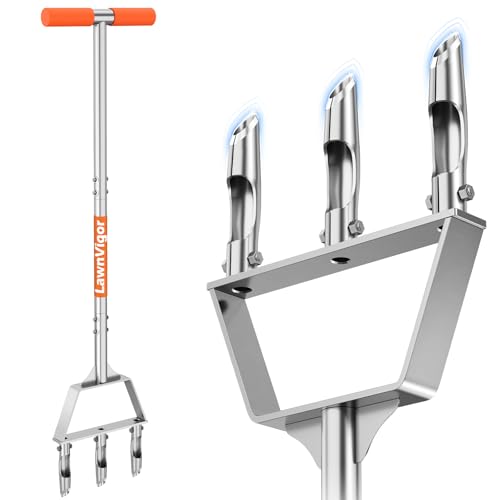
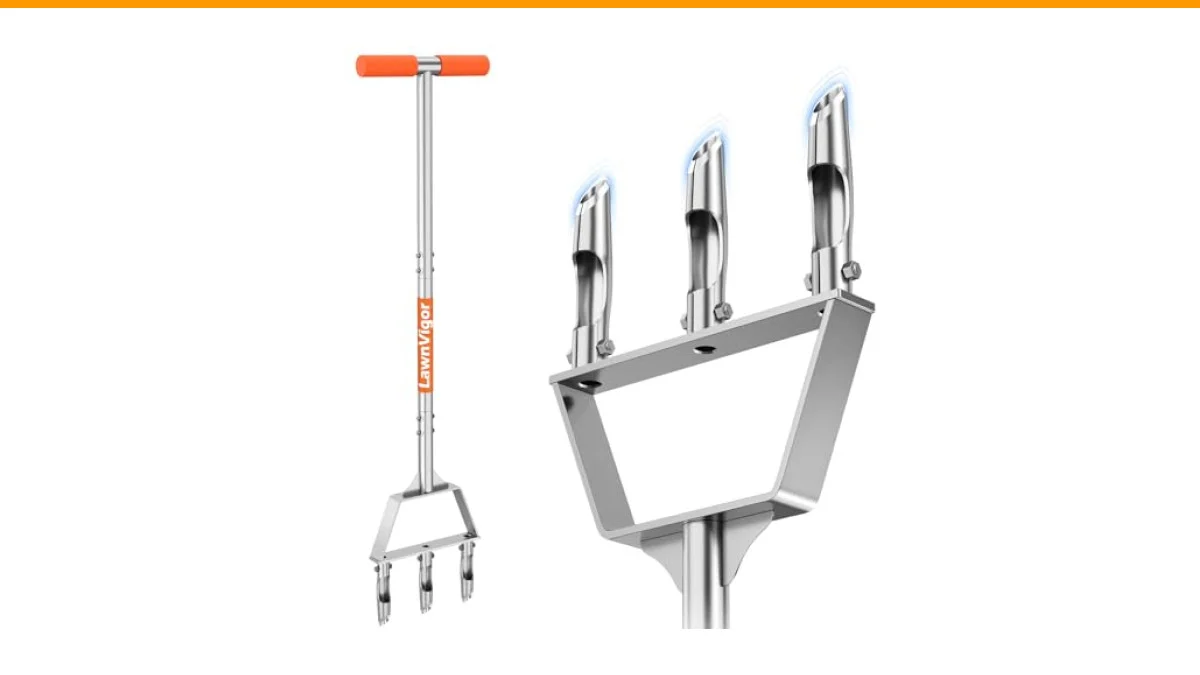
In the journey to restore your garden, one tool stands out: the Manual Lawn Core Aerator for Compacted Soil by LawnVigor. This tool is designed to penetrate tough soils and facilitate the inclusion of air, water, and nutrients deep into the ground. With its non-clogging hollow tines, it makes aeration straightforward, allowing for healthier grass growth and overall soil vitality.
LawnVigor
Manual Lawn Core Aerator for Compacted Soil with Non-Clogging Hollow Tines | Pulls Soil Plugs Easily, Bend-Resistant Steel Frame, Wide Foot Pedal, Replaceable Tines, Ideal for Clay Soil - Orange
- LAWN AERATOR FOR HEALTHIER LAWN GROWTH: Our manual lawn aerators promotes lush, green lawns by delivering essential air, water and…
- BUILT-TO-LAST HOLLOW TINE AERATOR: Made of sturdy metal and heat-treated hollow tines, our plug aerator lawn tool is built to with…
- NON-CLOGGING YARD AERATOR: Designed with 3 hollow tines, this lawn core aerator efficiently removes soil plugs while preventing cl…
Understanding Soil Compaction
Soil compaction occurs when soil particles are pressed together, reducing the space between them. This leads to decreased aeration and water infiltration. Compacted soil can be identified by its hard surface and the difficulty of inserting a garden trowel. Common causes include foot traffic, heavy equipment, and improper tillage.
Knowing how to fix compacted garden soil requires understanding its effects. Compaction restricts root development, limits water drainage, and can even lead to increased runoff, which washes away nutrients. The goal is to restore the soil’s structure and improve its ability to support plant life.
Methods for Fixing Compacted Soil
Several effective methods can help alleviate soil compaction. Here are some popular approaches that gardeners can use:
- Aeration: Use a core aerator to create holes in the soil, allowing air and water to penetrate. Aim for a depth of at least 3 inches and a spacing of 3-4 inches between holes. This method works best when the soil is moist but not soggy.
- Add Organic Matter: Incorporate compost or well-rotted manure into the soil. This not only improves soil structure but also enhances nutrient content. Aim for a 2-3 inch layer of organic matter and mix it into the top 6-12 inches of soil.
- Mulching: Apply a layer of mulch around plants. This helps retain moisture, regulates temperature, and gradually improves soil texture as it decomposes.
- Cover Crops: Planting cover crops, such as clover or vetch, during the off-season can improve soil structure. Their roots aerate the soil, and when turned under, they add organic material.
Comparison of Methods
| Method | Effectiveness | Time Required | Cost |
|---|---|---|---|
| Aeration | High | 1-2 hours | Moderate (cost of aerator) |
| Add Organic Matter | High | 1-3 hours | Low (cost of compost) |
| Mulching | Moderate | 1 hour | Low |
| Cover Crops | High | Seasonal | Moderate |
Common Questions About Compacted Soil
What signs indicate soil compaction?
Signs of compacted soil include hard surface crusting, poor drainage, and difficulty growing plants. If your garden plants are wilting or stunted, compaction may be to blame.
How often should I aerate my lawn?
Most lawns benefit from aeration once a year, ideally in the spring or fall when the grass is actively growing. High-traffic areas may require more frequent aeration.
Can I fix compacted soil without heavy machinery?
Absolutely. Manual tools like the LawnVigor aerator can effectively alleviate compaction without the need for heavy equipment. For smaller areas, hand tools can work just as well.
What type of soil is most prone to compaction?
Clay soils are particularly susceptible to compaction due to their fine particles. Sandy soils compact less but can still become problematic under heavy weight or traffic.
Is it worth investing in an aerator?
Investing in a quality aerator, like the one from LawnVigor, can greatly benefit your garden health. It pays off by improving drainage, root growth, and overall plant vitality.
Final Thoughts on Fixing Compacted Garden Soil
- Identify signs of compaction early to prevent severe issues.
- Regular aeration can significantly improve soil health.
- Incorporate organic matter to enhance soil structure.
- Consider cover crops during off-seasons for ongoing soil improvement.
- Using the right tools, like a core aerator, simplifies the process.
- Be patient; soil improvement takes time but yields rewarding results.
- Check out resources on best garden trowels for additional tools that can help with your gardening efforts.
With these methods and tools, fixing compacted garden soil becomes a manageable task, paving the way for a flourishing garden.