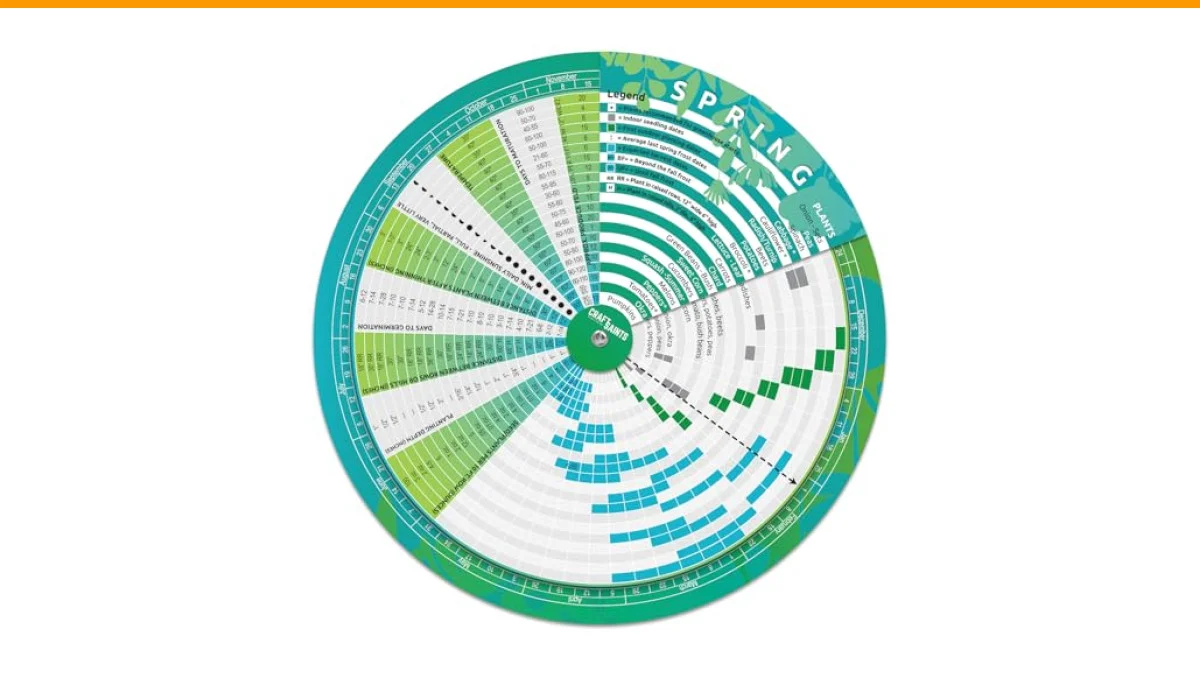
Imagine standing in your backyard, surrounded by the potential for beauty, but feeling overwhelmed by the choices. What plants will thrive? How should the layout look? Creating a garden plan can transform that uncertainty into a clear vision. In this article, you’ll learn how to design a practical and appealing garden layout that suits your lifestyle and environment.
By the end, you’ll know how to assess your space, select the right plants, and create a detailed plan that brings your garden dreams to life. For those looking for a structured way to visualize plant combinations, the Design-Your-Garden Toolkit offers a step-by-step guide and helpful tools, including reusable cling stickers and a fold-out design board.

Assessing Your Space
Okay, but how much does space really matter? A lot. Understanding your garden area is the first step in creating a successful garden plan. Start by measuring your space. Here’s a simple approach:
- Measure the length and width of your garden area.
- Calculate the total square footage by multiplying length by width.
- Note important features like sunlight, shade, and water access.
For example, if your garden is 20 feet long and 15 feet wide, that’s 300 square feet. This measurement helps you visualize how much you can fit in your garden and which plants will thrive based on sunlight and moisture conditions. Additionally, consider any existing structures or trees that could impact plant growth.
Selecting the Right Plants
Now that you know your space, how do you choose the right plants? Start with your climate zone. Most regions are classified by USDA hardiness zones, which indicate what plants can survive in that area. Here’s how to proceed:
- Identify your zone using a USDA hardiness zone map.
- Choose plants suitable for your zone, considering their sun and water needs.
- Think about seasonal interest—select a mix of perennials, annuals, and shrubs.
For instance, if you’re in Zone 5, consider plants like coneflowers, daylilies, and ornamental grasses. These plants can flourish in your climate and provide color and texture throughout the seasons.
Designing Your Garden Layout
So, how do you bring everything together into a cohesive design? A well-thought-out layout ensures optimal growth and visual appeal. Here’s how to create your garden plan:
- Sketch a to-scale version of your garden using graph paper or a digital tool.
- Place taller plants at the back and shorter ones in front for visibility.
- Group plants with similar water and light needs together.
- Consider pathways and access for maintenance and harvesting.
For example, if you’re designing a flower bed, a layout might include tall sunflowers at the back, medium-height zinnias in the middle, and low-growing marigolds at the front. This layering creates depth and interest while ensuring that each plant gets the light it needs.
Comparing Garden Planning Approaches
| Approach | Description | Best For |
|---|---|---|
| Hand-drawn sketch | A simple drawing on graph paper. | Visual learners who prefer traditional methods. |
| Garden design software | Using digital tools for layout planning. | Tech-savvy gardeners wanting precise designs. |
| Design-Your-Garden Toolkit | A kit with stickers and design boards for hands-on planning. | Hands-on planners who benefit from tangible tools. |
What tools do I need to create a garden plan?
You’ll need basic tools like measuring tape, graph paper or design software, a plant catalog, and possibly the Design-Your-Garden Toolkit for added assistance. These tools help you visualize and organize your ideas effectively.
How do I know which plants will thrive in my area?
Research your local climate and soil type. USDA hardiness zones can guide you in selecting plants suited to your environment. Local extension services or garden centers can also provide valuable insights into suitable flora.
What’s the best way to layout my plants?
Consider the height, width, and light requirements of each plant. Taller plants should be placed at the back of borders, while shorter ones can be in front. Group plants with similar needs together for easier maintenance.
How often should I update my garden plan?
Regularly. As seasons change, you may want to adjust your layout based on plant performance and new additions. It’s a good idea to review your plan annually, especially before planting season.
Can I create a garden plan if I have limited space?
Absolutely. Vertical gardening or container gardening can maximize small spaces. Focus on plants that grow upwards or are compact to make the most of your area.
Essential Takeaways for Your Garden Planning
- Measure your garden space accurately to understand your limits.
- Choose plants that thrive in your climate zone for better success.
- Sketch your garden layout, considering plant heights and needs.
- Use tools like the Design-Your-Garden Toolkit for structured planning.
- Regularly review and adjust your garden plan as needed.
- Don’t hesitate to ask local experts for advice on plant selection.
- Enjoy the process and let your creativity shine in your garden design.