Introduction
Imagine stepping onto your balcony or patio, greeted by the vibrant green of fresh herbs just within arm’s reach. The aroma of basil, rosemary, and mint fills the air, ready to enhance your culinary creations. Container gardening offers a practical, space-efficient way to cultivate these flavorful plants, even in the tightest of urban spaces.
This article will guide you through the essentials of growing herbs in containers, from the best herbs to choose to proper care techniques. Whether you’re a novice or an experienced gardener, you’ll find valuable insights to successfully grow your own herb garden.
Bonviee
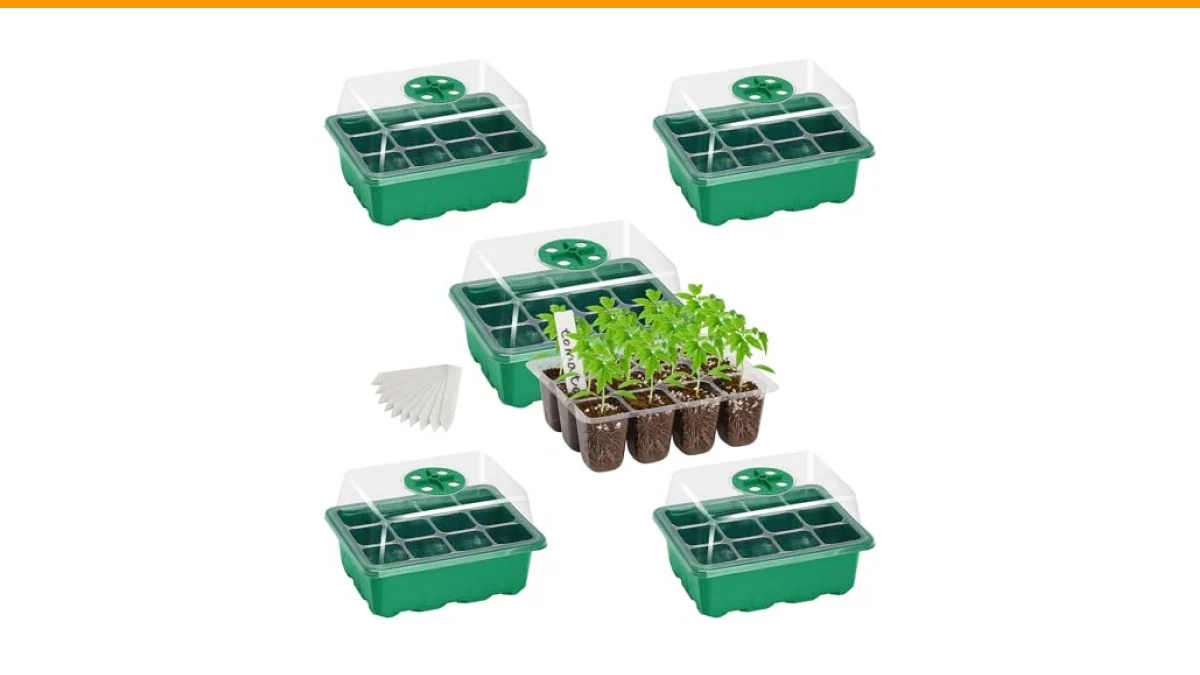
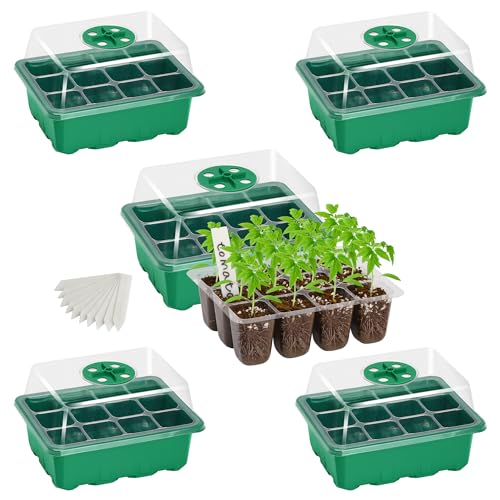
Bonviee 5-Pack Seed Starter Trays, Humidity Dome, Base, 12-Cell Tray, Green | Adjustable Vents Control Humidity & Temperature, Clear Trays Monitor Roots Without Disturbing Seedlings, Ideal for Indoor Use
- 【Keep an eye on your plant】: The only design in the market- High quality clear plastic trays of this seed grow kit make it easier…
- 【Total control】: Adjustable vents of this seed trays allow you to regulate the temperature and humidity of your seedling environme…
- 【Perfect for the heat mat】: With its excellent resistance to high and low temperature, these seedling trays are strong enough to b…
To kickstart your container gardening journey, consider using the Bonviee 5-Pack Seed Starter Trays. These trays come with humidity domes and adjustable vents, allowing you to create the perfect germination environment for your herbs.
Choosing the Right Herbs
Not all herbs thrive in containers, but many do exceptionally well. Here’s a list of some of the best herbs for container gardens:
- Basil: Prefers warm weather and thrives in pots with good drainage.
- Parsley: A biennial herb that grows well in partial shade.
- Thyme: Drought-resistant and prefers a sunny spot.
- Chives: Hardy and can tolerate varying conditions.
- Mint: Grows vigorously, so it’s often best kept in its own container.
When selecting herbs, consider your culinary preferences and local climate. For example, basil flourishes in warm environments, while parsley prefers cooler temperatures. Aim for a mix of herbs that complement each other in cooking.
Container Selection and Setup
The choice of container can significantly impact your herb garden’s success. Here are a few key factors to consider:
- Size: Choose containers that are at least 12 inches in diameter for most herbs. This provides enough space for root growth.
- Material: Clay pots are great for breathability, while plastic containers retain moisture better. Consider your local climate when choosing.
- Drainage: Ensure your containers have drainage holes. This prevents waterlogging, which can lead to root rot.
For optimal growth, use a quality potting mix that retains moisture while allowing excess water to drain. A mix specifically formulated for herbs can enhance growth and flavor.
Watering and Care Techniques
Herbs in containers often need more frequent watering than those in the ground. Here are some tips to help you care for your container herbs:
- Watering: Check soil moisture regularly. Most herbs prefer consistently moist soil but not soggy conditions.
- Fertilizing: Use a balanced, water-soluble fertilizer every few weeks during the growing season. A diluted fish emulsion is an excellent organic option.
- Pruning: Regularly trim your herbs to encourage bushier growth and prevent flowering, which can alter their flavor.
Monitor your herbs for pests and diseases. Early detection allows for quick action, ensuring your plants remain healthy.
Comparative Table of Popular Container Herbs
| Herb | Sunlight Requirements | Watering Frequency | Growth Habit |
|---|---|---|---|
| Basil | Full Sun | Every 2-3 days | Upright |
| Parsley | Partial Shade | Weekly | Bushy |
| Thyme | Full Sun | Weekly | Spreading |
| Chives | Full Sun | Every 3-4 days | Clumping |
| Mint | Partial Shade | Every 2-3 days | Spreading |
Frequently Asked Questions
1. What herbs grow best in small containers?
Herbs like chives, parsley, and thyme do well in smaller pots. They have compact root systems and don’t require as much space.
2. Can I grow herbs indoors?
Yes, many herbs can thrive indoors, particularly if they receive enough light. Consider placing them near a sunny window or using grow lights.
3. How often should I fertilize my container herbs?
Fertilize every 4-6 weeks with a balanced fertilizer during the growing season. Too much fertilizer can harm the plants.
4. What are the signs of overwatering?
Wilting, yellowing leaves, and a sour smell from the soil are signs of overwatering. Allow the soil to dry out before watering again.
5. Can I grow herbs from seeds in containers?
Absolutely. Seeds can be sown directly in containers. Use the Bonviee Seed Starter Trays to facilitate seed starting and monitor growth easily.
Practical Tips for Success
- Choose herbs that you frequently use in cooking.
- Position containers in a place that receives adequate sunlight.
- Regularly monitor soil moisture and adjust watering accordingly.
- Consider companion planting; some herbs enhance each other’s growth.
- Keep a gardening journal to track growth and care routines.
- Explore various container styles to enhance your garden’s aesthetic.
- Experiment with different herbs each season to find your favorites.