The Complete Guide to Harvesting and Storing Sage
Contents
Sage, with its aromatic leaves and robust flavor, often finds its way into kitchens and gardens alike. Imagine preparing a dish, only to realize you have fresh sage at your fingertips. The satisfaction of using homegrown herbs elevates any meal. However, knowing how to properly harvest and store sage can make the difference between vibrant, flavorful dishes and bland culinary experiences.
In this article, you will learn the best practices for harvesting sage, the optimal storage methods, and some troubleshooting tips for common issues. Whether you’re a culinary enthusiast or a home gardener, this guide will provide actionable steps to keep your sage fresh and flavorful for months.
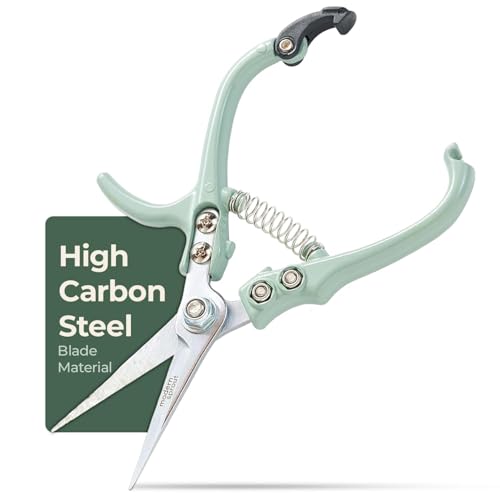
Modern Sprout
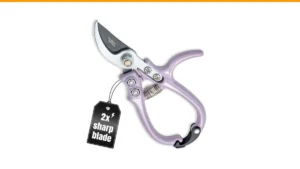
Modern Sprout Pruning Shears - Garden Snips - Herb Scissors - Sage 1-Pack
- Precision Plant Care: These gardening shears are perfect for trimming herbs & flowers; Their compact, fine-tipped, rust-resistant…
- Safety Lock for Peace of Mind: The easy-lock safety latch keeps the gardening shears securely closed when not in use, making stora…
- Perfect for Fine Stems: High-carbon steel needle-nose blades deliver sharp cuts for fine-stemmed plants like basil, mint, bonsai,…
For precise cutting and trimming, consider using the Modern Sprout Pruning Shears. These shears feature high-carbon steel blades that make it easy to harvest delicate sage leaves without damaging the plant.

When to Harvest Sage
Timing plays a crucial role in harvesting sage. The best time to pick sage is late morning after the dew has evaporated. This ensures that the leaves are dry, preventing moisture-related issues during storage. Generally, you can start harvesting once the plant has grown to about 6 inches tall, but the ideal period is just before the plant flowers. At this stage, the leaves are most aromatic and flavorful.
For optimal flavor, aim to harvest sage in the late spring or early summer. This is when the essential oils in the leaves are at their peak. Avoid harvesting during the hottest part of the day to prevent wilting.
How to Harvest Sage
Follow these steps for effective sage harvesting:
- Use clean, sharp pruning shears or scissors to avoid damaging the plant.
- Choose the outer leaves first, as these are the oldest and have the most flavor.
- Cut stems just above a pair of leaves to encourage new growth.
- Gather leaves in a basket or container to avoid bruising them.
Pro tip: Leave at least one-third of the plant intact to ensure it continues to grow.
Storing Sage
Once harvested, you need to store sage properly to maintain its flavor and aroma. Here are the most effective methods:
- Fresh Storage: Wrap sage in a damp paper towel and place it in a plastic bag in the refrigerator. This method can keep the leaves fresh for up to a week.
- Freezing: For longer storage, wash and dry the leaves, then chop them and place them in an ice cube tray with water. Once frozen, transfer the cubes to a freezer bag. This method preserves flavor for several months.
- Drying: Hang small bunches of sage upside down in a dark, dry place for several weeks. Once the leaves are brittle, crumble them into an airtight container. Dried sage can last for a year.
Comparison of Sage Storage Methods
| Storage Method | Duration | Flavor Retention | Ease of Use |
|---|---|---|---|
| Fresh in Fridge | 1 week | High | Easy |
| Freezing | 6 months | Medium | Moderate |
| Drying | 1 year | Low | Easy |
What time of year is best to harvest sage?
The ideal time to harvest sage is late spring or early summer, just before it flowers. The leaves are most flavorful during these months.
How should I cut sage?
Use clean, sharp pruning shears to cut the outer leaves, ensuring you cut above a pair of leaves to promote future growth.
Can I dry sage in the oven?
Yes, you can dry sage in the oven. Set the oven to the lowest temperature, place the leaves on a baking sheet, and keep the door slightly ajar. Check frequently to prevent burning.
How long can I store fresh sage in the fridge?
Fresh sage can be stored in the refrigerator for about one week when wrapped in a damp paper towel and placed in a plastic bag.
Can I use sage after it flowers?
Yes, you can still use sage after it flowers, but the flavor may not be as strong. Harvesting before flowering usually yields the best taste.
Final Tips for Harvesting and Storing Sage
- Harvest in the morning for best flavor.
- Always use clean tools to prevent plant diseases.
- Store sage in a way that minimizes moisture exposure.
- Label storage containers to keep track of freshness.
- Consider using your sage within the first few months for the best flavor experience.
- Monitor for pests and diseases regularly to maintain plant health.
For more tips on gardening tools that can enhance your gardening experience, check out our articles on gardening tools and indoor plant stands.
With these steps and tips, you’ll be well-equipped to enjoy the rich flavor of sage in your cooking. Happy harvesting!