

A Comprehensive Guide to Overwintering Tender Herbs
Contents
As the chill of winter approaches, many gardeners face a dilemma: what to do with their beloved tender herbs? These fragile plants, including basil, cilantro, and mint, can wilt and die when exposed to frost and freezing temperatures. If you’ve invested time and care into nurturing these herbs, you’ll want to find ways to protect them during the winter months. This article will guide you through effective strategies for overwintering tender herbs so they can thrive when spring arrives.
By the end of this article, you will understand various approaches to overwintering tender herbs, including indoor care, outdoor protection, and the benefits of using heat mats. You’ll also learn how to set up your herbs for success, ensuring they remain healthy and ready to flourish in the next growing season.
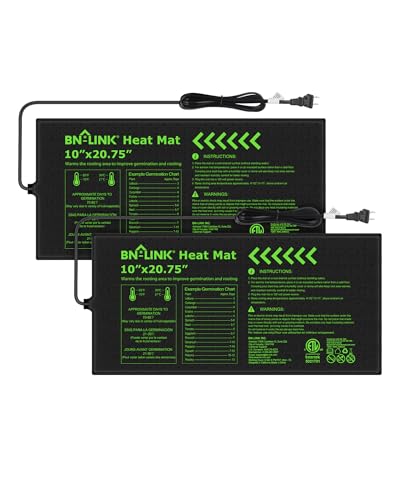
BN-LINK
BN-LINK 10" x 20.75" Seedling Heat Mat for Seed Starting Plants Germination
- IDEAL GERMINATION TEMPERATURE: The BN-LINK seedling heat mats for seed starting helps maintain temperatures around 70°F to 85°F, t…
- STABLE & UNIFORM HEATING: Using advanced far-infrared heating technology and reinforced heating film with dual insulation layers,…
- DURABLE & WATERPROOF: This plant heating pad for indoor growing is made with flexible, multi-layer PVC that is wear-resistant and…
For those starting seeds indoors to prepare for spring planting, consider using the BN-LINK 10″ x 20.75″ Seedling Heat Mat. This mat maintains optimal temperatures for germination, helping you jumpstart your herb garden.

Understanding Tender Herbs
Tender herbs are plants that cannot tolerate frost. Common examples include:
- Basil
- Cilantro
- Mint
- Chives
- Oregano
These herbs thrive in warm weather but can struggle with cold. Understanding their specific needs will help you create the best overwintering strategy.
Indoor Overwintering Techniques
Bringing tender herbs indoors is one of the most effective ways to protect them from winter’s harshness. Follow these steps for successful indoor overwintering:
- Choose the Right Location: Select a bright spot near a window that receives plenty of natural light. A south-facing window is ideal.
- Potting: If your herbs are in the ground, carefully uproot them and transplant them into pots. Use good-quality potting soil that drains well.
- Watering: Maintain moisture but avoid overwatering. Check the soil regularly and water only when the top inch feels dry.
- Humidity: Indoor air can be dry in winter. Consider using a humidity tray or misting the plants occasionally.
These steps create an optimal environment for your herbs, keeping them healthy until spring.
Outdoor Protection Methods
If you prefer to leave your herbs outdoors, several methods can help protect them:
- Mulching: Apply a thick layer of mulch around the base of your herbs. This insulates the roots and helps retain moisture.
- Row Covers: Use fabric row covers to shield your plants from frost. Ensure they are lightweight to allow sunlight in.
- Cold Frames: Consider building a cold frame around your herbs. This structure retains heat while providing protection from harsh weather.
- Container Gardening: If your herbs are in containers, move them to a sheltered location, such as a garage or shed, during extreme cold.
These outdoor methods can significantly improve the chances of your tender herbs surviving through the winter.
Using Heat Mats for Germination
Temperature is crucial for seed germination and healthy growth. The BN-LINK seedling heat mat mentioned earlier is an excellent tool for maintaining optimal temperatures of 70°F to 85°F. Here’s how to use it effectively:
- Set Up: Place the heat mat underneath your seedling trays. Ensure it fits standard 1020 trays for best results.
- Monitor Temperature: Use a thermometer to check the soil temperature. Adjust as necessary to maintain the ideal range.
- Watering: Water your seedlings as needed, but be careful not to overwater, as heat mats can dry out soil more quickly.
- Lighting: Provide adequate light to your seedlings, especially if they’re indoors. Grow lights can supplement natural light.
This heating method encourages faster germination and stronger plants, giving you a head start for your herb garden.
| Method | Description | Best For |
|---|---|---|
| Indoor Overwintering | Bringing herbs indoors and providing light and humidity. | Herbs needing more warmth and moisture. |
| Mulching | Applying mulch to insulate roots. | Ground-planted herbs. |
| Row Covers | Light fabric covers to protect from frost. | Outdoor herbs that need minimal protection. |
| Cold Frames | Structures that trap heat while shielding from elements. | Multiple herbs needing significant protection. |
What are the best herbs to overwinter indoors?
Herbs like basil, cilantro, and parsley do well in indoor settings. They require bright light and consistent watering.
Can I leave my herbs outside in winter?
Some hardy herbs, such as thyme and rosemary, can survive outdoors with proper protection like mulching or row covers. Tender herbs, however, should be brought indoors.
How do I know if my herbs are dead?
Check for signs of wilting, yellowing leaves, or root rot. If the stems are brittle and the leaves have fallen off, the plant may be dead.
Should I fertilize my herbs during winter?
It’s best to avoid fertilizing herbs during winter as they are in a dormant state. Wait until spring when growth resumes.
Can I use a heat mat for all herbs?
Heat mats are suitable for most seedling herbs but not necessary for established plants. Use caution with delicate seedlings and monitor the temperature closely.
Actionable Steps for Overwintering Tender Herbs
- Identify which herbs are tender and need protection.
- Choose between indoor or outdoor overwintering based on your space.
- Implement protective methods like mulching or row covers if leaving herbs outside.
- Prepare a well-lit indoor area if bringing herbs inside.
- Monitor soil moisture and temperature regularly.
- Consider using a heat mat for optimal germination in spring.
- Be patient and give your herbs time to adapt.
With careful attention and the right techniques, your tender herbs can survive winter and be ready to flourish when the warm weather returns.
For additional insights, check out resources on small greenhouses or greenhouse insulation to help protect your herbs effectively.