Imagine a warm summer evening, the sun setting as you gather with friends in your backyard. Just as the laughter starts to flow, you feel the familiar itch of a mosquito bite. It’s frustrating, isn’t it? Many people turn to chemical repellents, but there’s a more natural approach that can be just as effective: using herbs that repel mosquitoes. In this article, you’ll discover the best herbs to keep mosquitoes at bay, how to use them, and practical tips for incorporating them into your outdoor spaces.
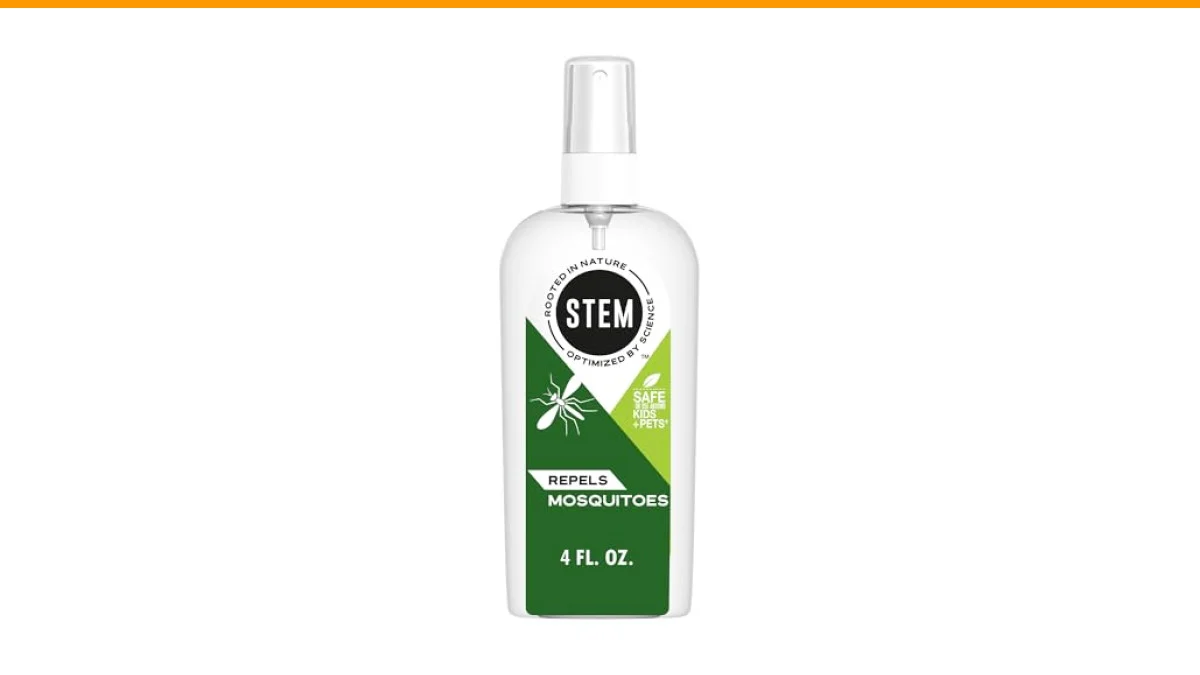
Among the various options available, using a mosquito repellent spray like STEM Repels Mosquitoes can provide additional protection. This product is made with botanical extracts, making it a safer choice for use around people and pets. It’s been tested by entomologists and features a fresh scent without harsh chemical odors. Combining such products with natural herbs can create a comprehensive defense against pesky mosquitoes.

STEM
STEM Repels Mosquitoes: Mosquito Repellent Spray With Botanical Extracts; 4 fl oz (Pack Of 1)
- Mosquito spray that effectively repels mosquitoes
- Bug spray safe for use around people and pets (when used as directed)
- Insect repellent made with botanical extracts that repel bugs
Understanding the Science Behind Mosquito Repellents
Mosquitoes are attracted to carbon dioxide, heat, and certain body odors. They rely on their sense of smell to locate hosts. Herbs that repel mosquitoes contain essential oils with compounds that mask these attractants or emit odors that mosquitoes dislike. Some of the most effective herbs include:
- Lemon Balm: This herb emits a strong lemon scent that mosquitoes find unappealing. It contains citronellal, a natural repellent.
- Lavender: Known for its calming fragrance, lavender also repels mosquitoes. Its scent is pleasant to humans but deters many insects.
- Rosemary: This herb’s woody scent can ward off mosquitoes and is often used in cooking.
- Basil: Particularly Thai basil, has a scent that mosquitoes find offensive due to its eugenol content.
- Mint: Spearmint and peppermint are effective at repelling mosquitoes. Their strong aroma masks human scents.
How to Use Herbs for Mosquito Repellents
Using herbs effectively involves several methods. Here are some practical ways to incorporate them into your outdoor activities:
- Planting: Grow mosquito-repelling herbs like lemon balm, lavender, and mint in your garden or in pots on your patio. Placing these near seating areas can help create a natural barrier.
- Making Herbal Sprays: Combine crushed herbs with water and a bit of witch hazel or vinegar to create a homemade mosquito repellent spray. Strain the mixture and store it in a spray bottle.
- Using Essential Oils: If you don’t have access to fresh herbs, essential oils from these plants can be used in diffusers or diluted with carrier oils for topical application.
- Cooking: Incorporate these herbs into your meals. Not only will they enhance the flavor of your dishes, but their presence can also help keep mosquitoes away during outdoor gatherings.
Comparison of Mosquito Repellent Methods
| Method | Effectiveness | Duration | Safety | Ease of Use |
|---|---|---|---|---|
| Planting Herbs | Moderate | Seasonal | High | Moderate |
| Herbal Sprays | High | Varies | High | Easy |
| Essential Oils | High | Varies | Moderate | Easy |
| Commercial Repellents | Very High | Hours | Variable | Very Easy |
Common Questions About Herbs That Repel Mosquitoes
1. Do all herbs repel mosquitoes?
Not all herbs are effective. The ones mentioned above are particularly noted for their repellent properties due to specific compounds in their essential oils.
2. How long do the effects of herbal sprays last?
The duration of effectiveness varies based on the concentration of the herbs used and environmental factors. Generally, you may need to reapply every couple of hours.
3. Can I mix different herbs for better effectiveness?
Absolutely. Mixing various herbs can create a more complex scent that may be more effective at repelling mosquitoes.
4. Are there any side effects from using herbal repellents?
Most herbs are safe for general use, but some individuals may experience allergic reactions. Always test a small area of skin first.
5. Can I use herbs indoors to repel mosquitoes?
Yes, herbs like lavender and mint can be grown indoors in pots. They not only repel mosquitoes but also improve indoor air quality.
Practical Tips for Keeping Mosquitoes Away
- Plant mosquito-repelling herbs around your home.
- Create homemade sprays and apply them before outdoor activities.
- Use essential oils in diffusers to keep indoor spaces mosquito-free.
- Incorporate herbs into your meals to deter mosquitoes naturally.
- Consider combining herbal methods with a product like STEM Repels Mosquitoes for enhanced protection.
- Regularly maintain your garden to prevent standing water, which attracts mosquitoes.
- Be aware of peak mosquito activity times, typically at dawn and dusk.
Using herbs that repel mosquitoes provides a natural and effective way to enjoy outdoor spaces without the nuisance of these pests. Whether planting them in your garden or using them in sprays, these herbs can contribute to a more enjoyable experience outdoors.
For those interested in enhancing their gardening skills, consider looking into other resources like the best grow lights for herbs or indoor herb garden starter kits.