Imagine stepping into your kitchen, where the aroma of fresh herbs fills the air. You have a bounty of basil, oregano, and rosemary from your garden, but you can’t use them all at once. The solution? Drying those fresh herbs to preserve their flavor for months to come. This article will guide you through various methods to dry fresh herbs, ensuring you can enjoy their taste long after the harvest.
After reading this, you’ll know how to dry herbs effectively, what tools to use, and how to store them for maximum flavor retention. One essential tool that can simplify the process is the MEKOLIFE 6-Layer Herb Drying Rack. This collapsible mesh design allows for excellent air circulation, making the drying process quick and efficient while keeping pests at bay.

MEKOLIFE
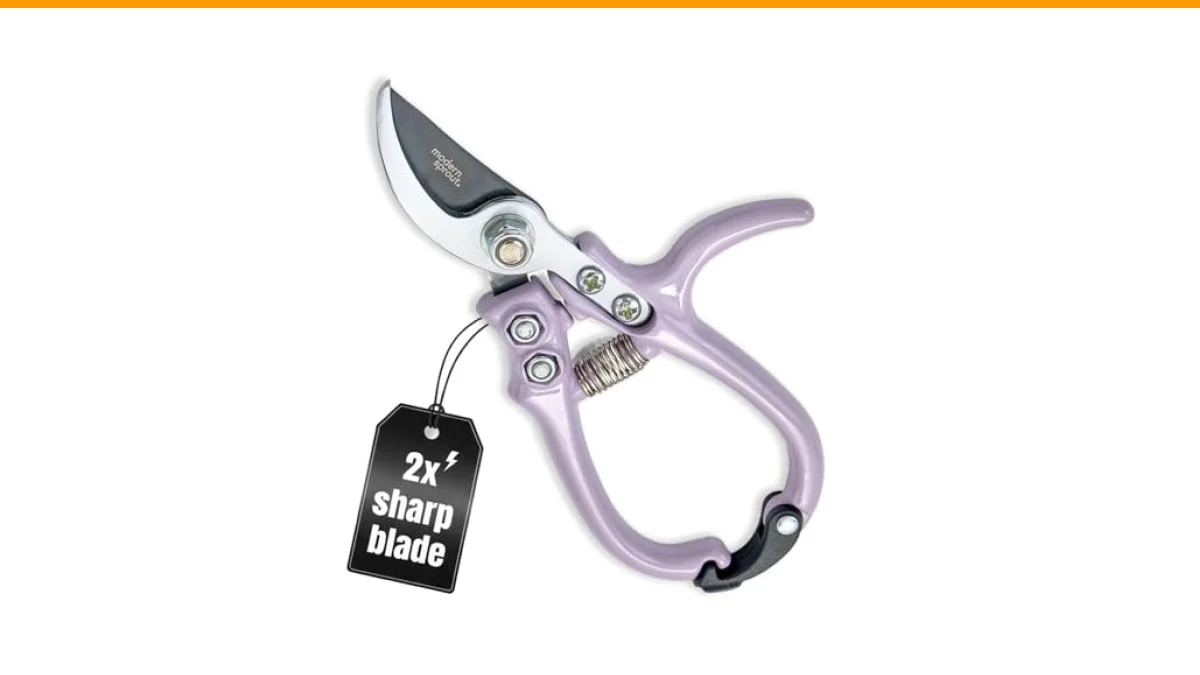
MEKOLIFE 6-Layer Herb Drying Rack with Collapsible Mesh Design | 23.62 Inch Hanging Drying Rack with Zipper and Garden Pruning Shears - Versatile Plant Drying Solution
- Perfect Design: The breathable mesh maintains air circulation, make drying herbs become very fast and easy. Each layer of zipper c…
- SPACE AND USAGE: Herb drying rack are available in 4, 6 and 8 layers, with the 6 layer measuring 23.6 x 23.6 x 47.3 inches. The mu…
- Eco-Friendly and Durable: Herb drying rack is composed of nylon material, built-in steel wire ring for steadiness,weed drying rack…

Common Methods to Dry Fresh Herbs
There are several effective methods to dry fresh herbs. Each method has its advantages, depending on the type of herb and the equipment available to you. Here are the most popular techniques:
1. Air Drying
Air drying is the simplest method and works best for herbs with low moisture content, like thyme and oregano. Here’s how to do it:
- Gather fresh herbs in small bunches, tying the stems with string or rubber bands.
- Hang the bunches upside down in a warm, dry, and dark place with good air circulation. A kitchen or pantry often works well.
- Leave them to dry for 1-3 weeks, checking regularly for dryness.
Pro tip: Use a brown paper bag to cover the herbs while drying to shield them from light, which can diminish their flavor.
2. Oven Drying
If you need dried herbs quickly, the oven method is effective. However, it requires careful attention to avoid burning. Here’s the process:
- Preheat your oven to the lowest setting, usually around 170°F (77°C).
- Spread the herbs on a baking sheet in a single layer.
- Place them in the oven with the door slightly ajar to allow moisture to escape.
- Check every 10 minutes until the herbs are dry and crumbly, which usually takes 30 minutes to an hour.
Be cautious; this method can quickly lead to loss of flavor if overheated.
3. Microwave Drying
The microwave method is the fastest way to dry herbs. Here’s how:
- Place herbs between two paper towels on a microwave-safe plate.
- Microwave on high for 30 seconds, then check for dryness.
- If not fully dried, continue in 10-second increments until the herbs are crispy.
This method is great for small batches, but pay close attention to avoid burning.
4. Using a Dehydrator
A food dehydrator provides a controlled environment for drying herbs. Here’s a quick guide:
- Wash and thoroughly dry your herbs.
- Place them on the dehydrator trays, ensuring they are spread out evenly.
- Set the temperature to around 95°F (35°C) and let them dry for 2-4 hours.
A dehydrator is particularly effective for keeping flavors intact and is energy efficient.
Comparison of Drying Methods
| Method | Time Required | Flavor Retention | Equipment Needed |
|---|---|---|---|
| Air Drying | 1-3 weeks | Good | String, dark space |
| Oven Drying | 30-60 minutes | Fair | Oven, baking sheet |
| Microwave Drying | 1-5 minutes | Fair | Microwave, paper towels |
| Dehydrator | 2-4 hours | Excellent | Dehydrator |
FAQs About Drying Fresh Herbs
What herbs dry best?
Herbs with lower moisture content, like thyme, oregano, sage, and rosemary, tend to dry well. In contrast, herbs with high water content, like basil and cilantro, don’t dry as effectively.
How long do dried herbs last?
When stored properly in a cool, dark place, dried herbs can last up to 1-3 years. However, their flavor will gradually diminish over time.
Can I dry herbs with a food processor?
While a food processor can chop herbs, it’s not effective for drying them. Stick to the methods outlined above for best results.
What’s the best way to store dried herbs?
Store dried herbs in airtight containers, preferably glass jars, away from light and heat. Label them with the date of drying for reference.
Can I dry herbs in the sun?
While it’s possible, sun-drying is not recommended for most herbs due to the risk of nutrient loss and attracting pests. Choose air drying or use a dehydrator for more reliable results.
Final Thoughts on Drying Fresh Herbs
- Choose the drying method that best suits your herb type and available time.
- Use a good drying rack like the MEKOLIFE 6-Layer Herb Drying Rack for efficient air circulation.
- Store dried herbs in airtight containers for maximum freshness.
- Check herbs regularly during the drying process to avoid over-drying.
- Experiment with different methods to find what works best for you.
- Keep your herbs in a cool, dark place to preserve their flavor and aroma.
- Consider using a food dehydrator for consistent results.
For more tips on gardening and plant care, check out our articles on best grow lights for herbs and best soil tester for herbs.