Growing Chives from Seed: A Comprehensive Guide
Contents
Imagine stepping into your kitchen and snipping fresh chives from your own garden to sprinkle over a creamy potato soup or a vibrant salad. The delightful mild onion flavor of chives adds a special touch to dishes, and growing them from seed not only saves money but also provides a deeper connection to your food. In this guide, you will learn everything you need to know about growing chives from seed, including planting, care, and harvesting.
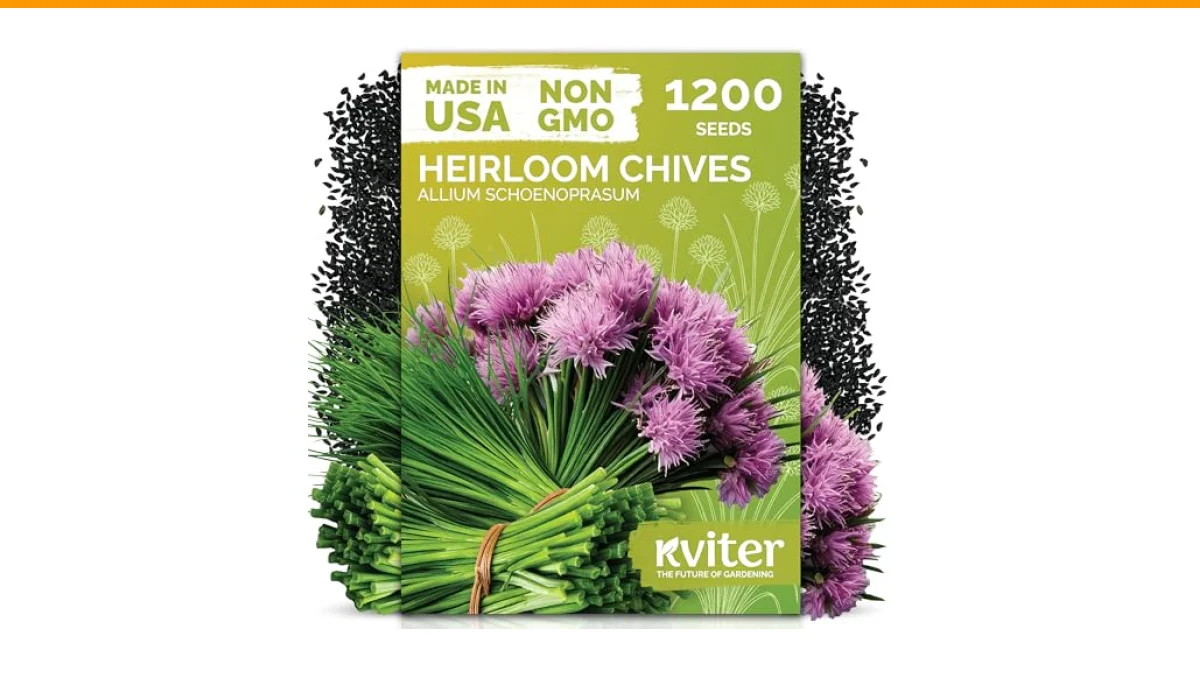
Chives are cool-season perennials, which means they thrive in the spring and fall. They are incredibly adaptable, growing well in USDA zones 3-11. If you’re looking for a reliable source of quality seeds, consider the 1,200 Chive Heirloom Herb Seeds for Planting by KVITER. These seeds offer fast germination and compact growth, perfect for any kitchen garden.

KVITER
1,200 Chive Heirloom Herb Seeds for Planting, Allium Schoenoprasum
- Cool-Season Perennial Herb: Chives seeds for planting thrive spring or fall; hardy in USDA zones 3-11. Full sun to partial shade,…
- Fast Germination: Start chive seeds for planting indoors or sow in outdoor garden; sprouts in 7-14 days. Plant garlic chives seeds…
- Compact Upright Growth: Onion chives seeds form neat clumps up to 12 inches tall with green, tube-shaped leaves. Space 6-12 inches…
Let’s delve into the specifics of growing chives from seed.
Choosing the Right Seeds
Before planting, select high-quality chive seeds. Look for heirloom varieties, which are known for their robust flavors and adaptability. The seeds from KVITER are a great choice, providing a generous quantity that ensures you can experiment with planting and sharing.
Ideal Growing Conditions
Chives flourish in full sun to partial shade. They prefer rich, moist soil with good drainage. Here are some specifics:
- Soil pH: Aim for a pH between 6.0 and 7.0.
- Soil Type: Sandy loam or loamy soil works best.
- Sunlight: 6-8 hours of sunlight daily.
Consider using a seed starter tray with grow light if starting indoors, as this can help maintain consistent moisture and temperature.
Planting Chive Seeds
Plant chive seeds indoors 6-8 weeks before the last frost date or sow directly outdoors after the frost. Here’s how to do it:
- Prepare the soil: Loosen the soil and mix in compost.
- Sow the seeds: Plant seeds 1/4 inch deep, spacing them about 6 inches apart.
- Water gently: Keep the soil evenly moist but not waterlogged.
Expect germination within 7-14 days. Thin seedlings to ensure proper spacing, allowing the strongest plants to develop.
Care and Maintenance
Once established, chives require minimal maintenance. Here are some essential care tips:
- Watering: Water regularly, especially during dry spells.
- Fertilizing: Use a balanced fertilizer once a month to encourage growth.
- Pruning: Regularly trim back the leaves to promote bushier growth and prevent flowering.
Chive flowers are edible and attract pollinators, but if you want more leaf growth, harvest the flowers before they bloom.
| Method | Indoors | Outdoors |
|---|---|---|
| Planting Time | 6-8 weeks before last frost | After last frost |
| Soil Preparation | Use seed starter mix | Loamy soil with compost |
| Germination Time | 7-14 days | 7-14 days |
| Spacing | 6 inches apart | 6-12 inches apart |
How long does it take for chives to grow from seed?
Chives typically take 7-14 days to germinate, and you can start harvesting them within 60-90 days after planting, depending on growing conditions.
Can chives grow in pots?
Yes, chives can grow well in pots. Ensure the pot has drainage holes and provide adequate sunlight.
How often should I water chives?
Water chives regularly, keeping the soil moist but not soggy. Check the soil moisture and adjust your watering schedule based on weather conditions.
Do chives need full sun?
Chives prefer full sun but can tolerate partial shade. Aim for at least 6 hours of sunlight per day for optimal growth.
Can chives survive winter?
Chives are hardy perennials and can survive winter in USDA zones 3-11. They will die back in cold weather but will regrow in spring.
Final Thoughts on Growing Chives from Seed
- Choose quality heirloom seeds to ensure robust growth.
- Prepare rich, well-draining soil for planting.
- Water consistently, but avoid waterlogged conditions.
- Thin seedlings to promote healthy growth.
- Harvest leaves regularly to encourage bushiness.
- Consider planting near other vegetables like tomatoes for companion gardening benefits.
- Enjoy the beauty and flavor of fresh chives in your dishes!
Growing chives from seed is a rewarding experience. With the right conditions and care, you can enjoy fresh chives all season long. For more information on starting seeds, check out resources on seed starting systems and seed starter kits.