
Comprehensive Fennel Growing Guide
Contents
Introduction
Imagine stepping into your garden and being greeted by the sweet, aromatic scent of freshly grown fennel. This herb not only adds a unique flavor to various dishes but is also a visual delight with its feathery fronds and towering stalks. Growing fennel can be a rewarding experience, whether you’re a seasoned gardener or just starting. This guide will provide you with the essential knowledge to cultivate fennel successfully, ensuring a bountiful harvest.
You will learn about the best conditions for planting, caring for your plants, and troubleshooting common issues. With proper guidance, you’ll be able to enjoy this flavorful herb in your kitchen.
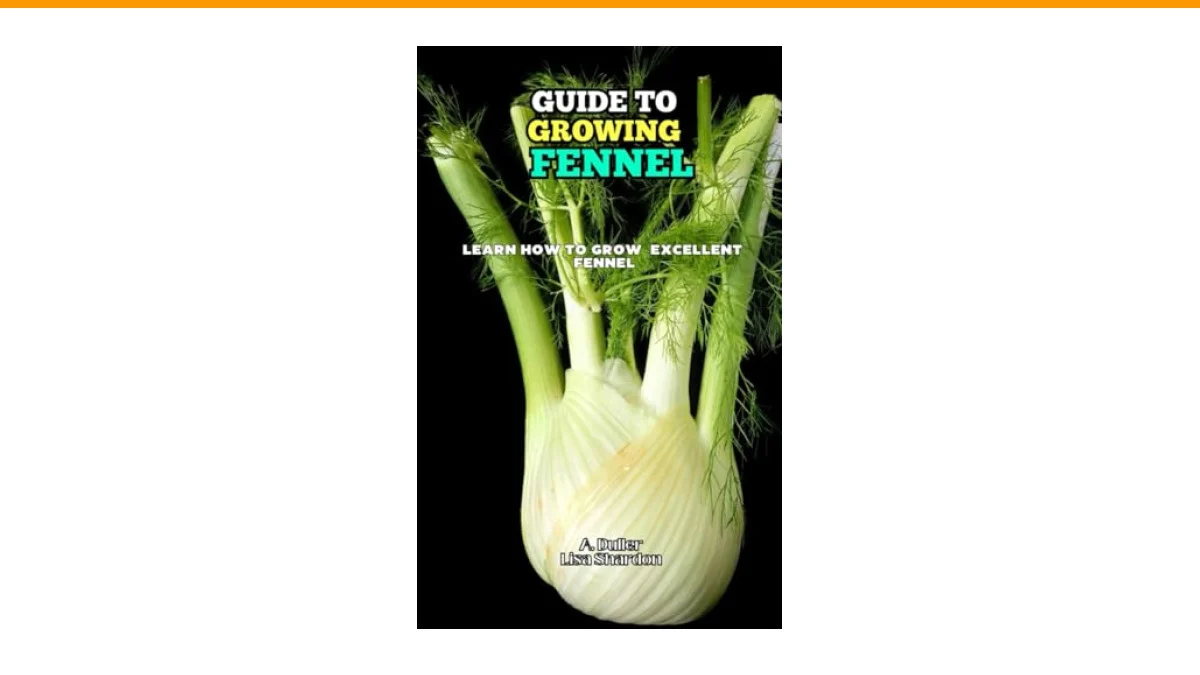
For those looking for an all-encompassing resource, Majosta’s Guide to Growing Fennel offers step-by-step instructions and insights that will simplify the process. This guide is an excellent companion for both beginners and experienced growers.
Choosing the Right Variety
Fennel comes in several varieties, primarily divided into two categories: bulb fennel and herb fennel. Each serves a different purpose and has specific growing requirements.
- Bulb Fennel (Foeniculum vulgare var. dulce): This variety is grown for its swollen base, which can be harvested and used in salads or cooked dishes. It thrives best in warm climates with full sun.
- Herb Fennel: This variety focuses more on the feathery fronds, which are used for flavoring. It is more tolerant of cooler temperatures and can be grown in various conditions.
Consider your culinary needs when selecting a variety. For instance, if you often use fennel in salads, bulb fennel is ideal. Conversely, herb fennel is perfect for those who want to use the fronds for garnishing.
Optimal Growing Conditions
Fennel thrives in well-draining soil enriched with organic matter. Here are the specifics:
- Soil pH: Aim for a pH of 6.0 to 7.0.
- Sunlight: Fennel prefers full sunlight, needing at least 6 to 8 hours of direct sun each day.
- Watering: Regular watering is essential, especially during dry spells. The soil should be kept moist but not soggy.
- Spacing: Space bulb fennel plants about 12 inches apart, while herb fennel can be spaced closer together.
These conditions create the ideal environment for fennel to grow strong and healthy. If you’re considering growing vegetables alongside fennel, check out growing vegetables in raised beds for effective tips.
Planting Fennel
Timing is crucial when planting fennel. Here are some guidelines:
- Seeds: Plant seeds directly in the ground in early spring, about 1/4 to 1/2 inch deep. Germination usually occurs within 7 to 14 days.
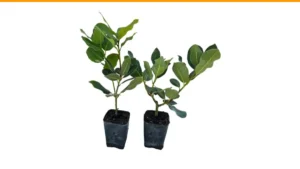
- Transplants: If starting indoors, transplant seedlings 4 to 6 weeks after the last frost.
Consider companion planting with crops like tomatoes or peppers to maximize space and deter pests. Despite its many benefits, avoid planting fennel near carrots or other members of the Apiaceae family to prevent cross-pollination.
Common Misconceptions About Growing Fennel
Misconception 1: Fennel is Difficult to Grow
Many believe fennel is tricky to cultivate, but this is far from the truth. With the right conditions and care, fennel can thrive with minimal fuss. The key lies in understanding its specific needs, such as soil type and watering requirements.
Misconception 2: Fennel Only Grows in Warm Climates
While fennel prefers warmth, it can also adapt to cooler temperatures. Herb fennel, in particular, is known for tolerating mild frosts. This adaptability makes it a viable option for gardeners in various climates.
| Fennel Variety | Best Climate | Harvesting Time | Uses |
|---|---|---|---|
| Bulb Fennel | Warm climates | 80-100 days | Salads, cooking |
| Herb Fennel | Cool and warm climates | 60-90 days | Flavoring, garnishing |
Frequently Asked Questions
How do I know when to harvest fennel?
Harvest bulb fennel when the bulbs are about 3 to 4 inches in diameter. For herb fennel, cut the fronds when they are lush and green, typically before flowering.
Can fennel grow in containers?
Yes, fennel can thrive in containers. Ensure the pot is at least 12 inches deep to accommodate the root system.
What pests should I watch for when growing fennel?
Common pests include aphids and the fennel worm. Regularly inspect your plants and use organic insecticides or natural predators to manage infestations.
Is fennel a perennial or an annual plant?
Fennel is generally considered a biennial plant, but it is often grown as an annual for the best flavor and yield.
Can I grow fennel indoors?
Growing fennel indoors is possible, particularly herb fennel. Ensure it receives adequate light, ideally through a south-facing window or supplemental lighting.
Final Thoughts
- Choose the right variety based on your culinary needs.
- Prepare well-draining soil with a pH between 6.0-7.0.
- Plant seeds in early spring for the best results.
- Be aware of common pests, and act quickly to manage them.
- Harvest at the right time for maximum flavor and yield.
- Consider growing fennel alongside compatible plants for better results.
- Utilize resources like hydroponics systems for innovative growing methods.