Imagine a beautiful garden, lush with vibrant flowers and healthy vegetables. Yet, lurking in the soil and under leaves, ground beetles may be making their presence known. These insects are often overlooked, but they play significant roles in garden ecosystems. So, are ground beetles beneficial or harmful to your garden? This article will clarify their impact, helping you understand how to coexist with these intriguing creatures.
Ground beetles can be both allies and adversaries in the garden. Some species are voracious predators of pests, while others may exhibit behaviors that could be detrimental to certain plants. Understanding the specific roles of ground beetles is crucial for effective garden management. Additionally, if you find yourself struggling with pests, consider using NaturesGoodGuys Beneficial Nematodes Triple Blend Pack, which targets harmful pests while preserving beneficial insects like ground beetles.

NaturesGoodGuys
NaturesGoodGuys Beneficial Nematodes Triple Blend Pack HB+SC+SF - General Biological Pest Control (25 Million)
- Can be stored unactivated for up to 30 days in the refrigerator (do not freeze).
- Rate: up to 6,200 square feet of soil area
Understanding Ground Beetles
Ground beetles belong to the family Carabidae and are typically found in gardens, forests, and fields. With over 2,500 species in North America alone, they exhibit diverse behaviors and diets. Most ground beetles are nocturnal, preferring to hunt at night when the risks from predators are lower. They have a distinctive elongated body and long legs, which allow for swift movement.
These beetles primarily feed on other insects. Their diet consists mainly of pests like caterpillars, aphids, and slugs, making them excellent natural pest controllers. For gardeners, they serve as a natural alternative to chemical pesticides, promoting a healthier ecosystem.
Benefits of Ground Beetles
Ground beetles offer numerous benefits in garden ecosystems:
- Pest Control: They are effective predators, consuming significant numbers of harmful insects. For instance, one study found that ground beetles can reduce aphid populations by up to 85% in certain conditions.
- Soil Aeration: As they burrow into the soil, ground beetles help aerate it, improving water penetration and root growth.
- Diversity Promotion: They support ecological balance by preying on a variety of harmful insects, thus reducing the likelihood of pest outbreaks.
Potential Harms of Ground Beetles
Despite their benefits, some ground beetles can be harmful:
- Plant Damage: Certain species, like the larval forms, may feed on seedlings and young plants, causing noticeable damage.
- Competition: When their populations are high, ground beetles might compete with beneficial insects for food and resources.
- Attractiveness to Birds: Their presence can attract birds, which may inadvertently damage plants while searching for these insects.
Managing Ground Beetles in Your Garden
If you want to harness the benefits of ground beetles while minimizing potential harms, consider these management strategies:
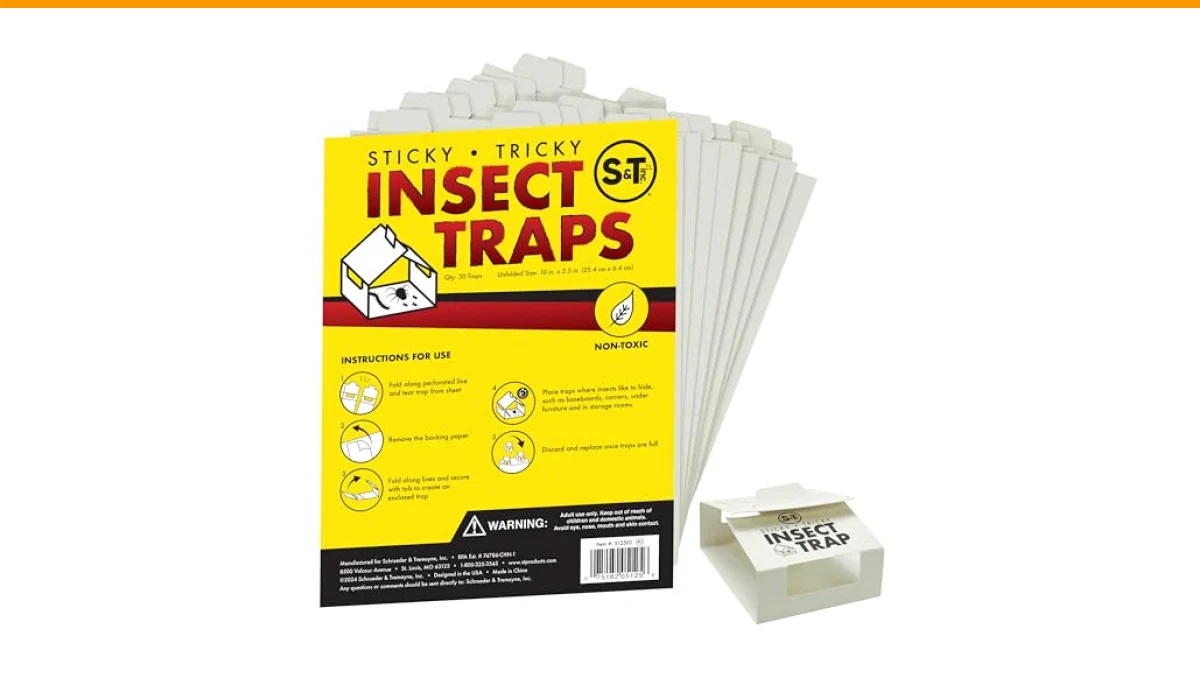
- Monitor Populations: Regularly check for ground beetle populations in your garden. Use traps to help gauge their numbers.
- Encourage Biodiversity: Plant a variety of crops and flowers to attract natural predators, which can help balance the ecosystem.
- Limit Pesticide Use: Avoid using broad-spectrum pesticides, as these can kill beneficial insects along with pests.
Comparison of Biological Control Options
| Control Method | Effectiveness | Impact on Beneficial Insects | Ease of Use |
|---|---|---|---|
| Ground Beetles | High | Minimal | Moderate |
| Nematodes | Very High | Minimal | Easy |
| Chemical Pesticides | High | High | Easy |
| Companion Planting | Moderate | Positive | Moderate |
Are ground beetles harmful to gardens?
Ground beetles are generally beneficial as they prey on harmful pests. However, some species can damage seedlings and compete with other beneficial insects.
How can I attract ground beetles to my garden?
Plant a variety of flowers and maintain a diverse ecosystem. Provide shelter in the form of mulch or ground cover to create a welcoming environment.
What do ground beetles eat?
They primarily consume other insects, including pests like aphids, caterpillars, and slugs, making them valuable allies in pest control.
How do I identify ground beetles?
Ground beetles have elongated bodies, long legs, and are usually shiny and dark in color. They tend to be around 0.2 to 2 inches long.
Can ground beetles be harmful to humans?
No, ground beetles are not harmful to humans. They do not bite or sting and are generally harmless.
Final Thoughts on Ground Beetles
- Ground beetles are primarily beneficial for pest control.
- Some species can cause minor plant damage, so monitoring is essential.
- Encouraging biodiversity helps maintain a balanced garden ecosystem.
- Consider using beneficial nematodes for targeted pest control.
- Regularly assess beetle populations to optimize their benefits.