Seeing your beautiful garden ravaged by Japanese beetles can be incredibly frustrating. These shimmering pests, with their metallic green bodies, can quickly turn your thriving plants into mere shadows of their former selves. If you’ve ever felt helpless as they devour your roses or grapevines, you’re not alone. Fortunately, there are several effective strategies to eliminate Japanese beetles and protect your plants.
This guide will walk you through tried-and-true methods of controlling these pests, including the use of traps, natural deterrents, and preventive measures. You’ll also discover the importance of timing in your battle against these invasive insects.
RESCUE!
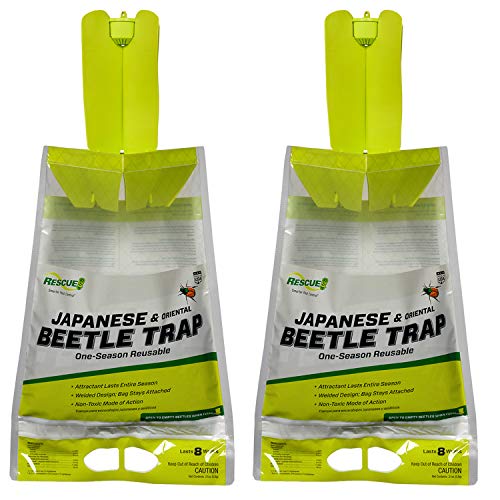
RESCUE! Japanese Beetle Trap – Reusable Bag - 2 Traps | Insect Traps, Floral Bag, 890 sq-ft, Double-layer nylon bag is highly durable
- Catch Beetles by the Bagful – Japanese and Oriental Beetles are invasive species that can wreak havoc on your garden and landscapi…
- How It Works– Once attracted by the pheromone scent, Japanese beetles fly into the large green panels of the trap and are stunned…
- Reusable – The attractant cartridge included with this trap will last an entire season. Should the bag become too full, the easy-l…
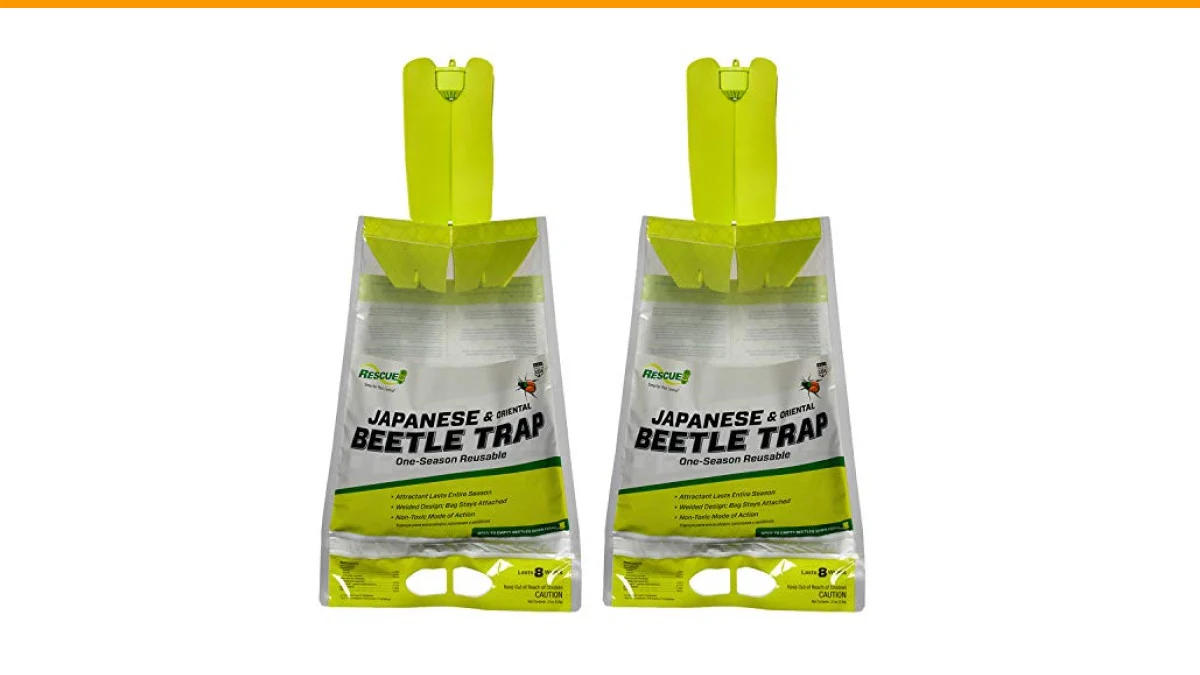
One highly effective tool in your arsenal is the RESCUE! Japanese Beetle Trap. This reusable trap utilizes pheromone attractants to lure beetles away from your plants, allowing you to catch them efficiently and protect your garden.
Understanding Japanese Beetles
Japanese beetles are small, but their impact can be significant. Adult beetles emerge in late spring to early summer and feed on over 300 different plant species. They are particularly fond of roses, linden trees, and grapes. Knowing their life cycle is crucial for effective control.
- Life Cycle: The adult beetles lay eggs in the soil. The larvae, known as grubs, feed on grass roots, making them a nuisance not just for gardens but also for lawns.
- Timing: Adults typically appear between late May and early August. This is the time to be vigilant.
Understanding their habits helps you anticipate their arrival and attack them effectively.
Effective Control Methods
Now that you know what you’re dealing with, let’s explore several methods to eliminate Japanese beetles.
1. Traps: As mentioned, the RESCUE! Japanese Beetle Trap is a great choice. Set these traps at least 30 feet away from your plants to lure the beetles away. Each trap comes with a reusable attractant cartridge that lasts an entire season. If the bag gets too full, it features an easy-lock bottom for hassle-free disposal and reuse.
2. Handpicking: For small infestations, you can manually remove beetles. Wearing gloves, pick them off your plants and drop them into a bucket of soapy water. This method is labor-intensive but effective for small gardens.
3. Beneficial Nematodes: These microscopic worms can be applied to your lawn and garden. They seek out and kill the grubs in the soil, disrupting the beetle’s life cycle.
4. Insecticidal Soaps and Oils: Products containing neem oil or insecticidal soaps can deter beetles without harming beneficial insects. Apply these solutions during the early morning or late evening when beetles are most active.
Comparing Control Methods
| Method | Effectiveness | Cost | Labor Intensity |
|---|---|---|---|
| RESCUE! Trap | High | Check current price on Amazon | Low |
| Handpicking | Medium | Free | High |
| Beneficial Nematodes | High | Check current price on Amazon | Medium |
| Insecticidal Soaps | Medium | Check current price on Amazon | Medium |
Frequently Asked Questions
What attracts Japanese beetles to my garden?
Japanese beetles are attracted by the scent of certain plants, particularly those in bloom. They are also drawn to the pheromones released by other beetles, which can create a cycle of attraction.
How can I prevent Japanese beetles?
Preventive measures include maintaining healthy plants, as stressed or weak plants are more vulnerable. Also, consider using row covers over young plants during peak beetle season.
Are there natural predators for Japanese beetles?
Yes, birds, spiders, and certain insects like tachinid flies feed on Japanese beetles. Encouraging these natural predators in your garden can help control beetle populations.
When is the best time to apply control methods?
The best time to apply control methods is in the morning or late evening when beetles are most active. Timing your interventions can significantly improve effectiveness.
Will using traps prevent beetles from returning?
While traps are effective at catching beetles, they do not prevent new ones from arriving. They should be part of a broader strategy that includes other control methods.
Final Thoughts on Eliminating Japanese Beetles
- Understand the life cycle of Japanese beetles to time your interventions effectively.
- Utilize the RESCUE! Japanese Beetle Trap to catch beetles before they can do damage.
- Consider handpicking for small infestations, though it’s labor-intensive.
- Apply beneficial nematodes for a long-term solution targeting the larvae.
- Use insecticidal soaps and oils as a natural deterrent.
- Maintain healthy plants to reduce vulnerability to infestations.
- Stay vigilant and combine different methods for maximum effectiveness.
For additional gardening tips, check out our guides on using a weed burner or garden sweepers.