The Complete Fall Garden Planting Guide
Contents
As summer winds down, many gardeners face a dilemma: is it time to say goodbye to gardening until spring? Not at all. Fall offers a unique opportunity to grow a second crop, especially in regions where mild winters prevail. Imagine savoring fresh, homegrown vegetables just as the first frost arrives. If you’re ready to dive into fall gardening, this guide will equip you with everything you need to know.
In this article, you’ll learn about ideal vegetables to plant, the best planting techniques, and how to maintain your garden through cooler weather. You’ll also find practical tips that can lead to a bountiful harvest. As you prepare for your fall garden, consider the HOME GROWN 12 Fall Vegetable Varieties 9600+ Seeds Cool Season Mix. This collection features twelve top-performing, cold-hardy varieties designed for reliable growth in shorter daylight hours, making it an excellent resource for both novice and experienced gardeners.

HOME GROWN
HOME GROWN 12 Fall Vegetable Varieties 9600+ Seeds Cool Season Mix | High Germination, Heirloom, Non-GMO | 12 Varieties | Cold Hardy & Frost Tolerant | Beets, Kale, Cabbage, Peas & Broccoli Mix
- ABUNDANT AUTUMN & WINTER HARVEST: Unlock a generous bounty of the finest autumn and winter vegetables from our carefully curated c…
- TOP-TIER AMERICAN SELECTION: Featuring 12 top-performing, non-GMO American seed varieties known for exceptional germination, stron…
- NATURAL STRATIFICATION ADVANTAGE: Autumn planting offers the ultimate benefit of natural seed stratification. Crops develop far mo…

Understanding the Fall Gardening Season
Fall gardening differs significantly from spring planting. The primary goal is to select crops that thrive in cooler temperatures. Most fall crops are cold-hardy, meaning they can withstand frost and even snow. This characteristic is crucial when planning your planting schedule. In general, the best time to plant your fall garden is about 6 to 8 weeks before the first expected frost.
To determine your local frost dates, check resources like the Old Farmer’s Almanac. This will help you time your plantings accurately. For example, in a region with a first frost date around October 15, you should aim to plant your crops between late August and early September.
Choosing the Right Vegetables for Fall Planting
When selecting vegetables for your fall garden, focus on varieties that handle cooler weather well. Here are some top choices:
- Kale: This leafy green loves cold weather and can even taste sweeter after a frost.
- Cabbage: Varieties like Copenhagen Market are perfect for fall planting, maturing well in cooler temperatures.
- Brussels Sprouts: These take longer to mature but thrive in fall conditions.
- Beets: Detroit beets are hardy and can be harvested throughout fall and winter.
- Peas: Sugar peas grow rapidly and can yield delicious pods before winter.
For a diverse selection, consider the HOME GROWN 12 Fall Vegetable Varieties 9600+ Seeds Cool Season Mix. This mix includes popular choices like kale and beets, making it easy to get started.
Effective Planting Techniques for Fall Gardens
Fall planting requires some specific techniques to ensure success. Start with soil preparation. Clear your garden bed of any weeds or debris. A soil test can help identify nutrient needs, allowing you to amend the soil with compost or fertilizer as necessary.
When planting seeds, follow these guidelines:
- **Seed Depth:** Plant seeds according to the recommended depth on the seed packet. For most fall vegetables, this is typically shallow.
- **Spacing:** Give each plant enough room to grow. Overcrowding can lead to poor air circulation and disease.
- **Watering:** Water the seeds thoroughly after planting. Keep the soil consistently moist but not waterlogged.
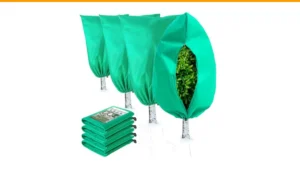
A helpful tip: Covering your garden with a light fabric can provide additional warmth and protection against early frost.
Maintaining Your Fall Garden
Maintenance during the fall is crucial for a successful harvest. Here are some key practices:
- Watering: As temperatures drop, your garden will require less water. However, monitor soil moisture and water as needed.
- Pest Control: Although pests are less active in cooler weather, keep an eye out for any signs of trouble and use organic methods of control.
- Harvesting: Know when to harvest your crops. Timing varies by vegetable, so refer to seed packets for guidance.
Maintaining your garden will ensure robust growth and a successful yield. But what happens if the weather turns unexpectedly cold? Consider adding a cold frame or row covers to protect your plants from frost.
| Vegetable | Days to Maturity | Optimal Planting Time | Frost Tolerance |
|---|---|---|---|
| Kale | 55-75 days | Late August to early September | Very high |
| Cabbage | 70-90 days | Late August to early September | High |
| Brussels Sprouts | 90-100 days | Late July to early August | Very high |
| Beets | 50-70 days | Late August to early September | High |
| Peas | 55-70 days | Late August | Moderate |
What’s the best time to plant a fall garden?
The best time to plant a fall garden is approximately 6 to 8 weeks before the first expected frost in your area. This timing allows crops enough time to mature.
Can I grow vegetables in pots during fall?
Absolutely! Many fall vegetables can thrive in containers. Ensure pots have adequate drainage and use quality potting mix for best results.
What are some common mistakes to avoid?
Some common mistakes include planting too late, overcrowding plants, and neglecting soil preparation. Each can hinder your garden’s success.
Are there any specific fertilizers for fall gardening?
Use a balanced fertilizer or one specifically formulated for cool-season crops. This will provide the nutrients your plants need as they grow.
How do I protect my garden from frost?
Cover your plants with frost cloths or row covers during cold nights. These can help retain warmth and protect delicate crops from frost damage.
Final Thoughts on Fall Gardening
- Choose cold-hardy vegetables that thrive in cooler temperatures.
- Plant 6 to 8 weeks before the first expected frost.
- Prepare your soil adequately for best growth.
- Monitor moisture and maintain plants regularly.
- Consider using frost protection methods as necessary.
- Explore seed collections like the HOME GROWN 12 Fall Vegetable Varieties for reliable options.
- Enjoy the benefits of fresh vegetables long into the cooler months.