
Spring is a time of renewal, and for gardeners, it signals the beginning of a new growing season. As the days grow longer and temperatures rise, the excitement of planting fresh seeds and nurturing new plants fills the air. However, before you can enjoy the fruits of your labor, you must prepare your garden soil properly. A healthy garden starts with healthy soil, and understanding how to prepare your soil for spring planting is essential for success.
This article will guide you through effective methods for spring garden soil preparation. You’ll learn how to assess your soil’s current condition, amend it with organic materials, and establish a solid foundation for your plants. You’ll walk away equipped with practical techniques and the knowledge to create a thriving garden.

Farmer's Secret
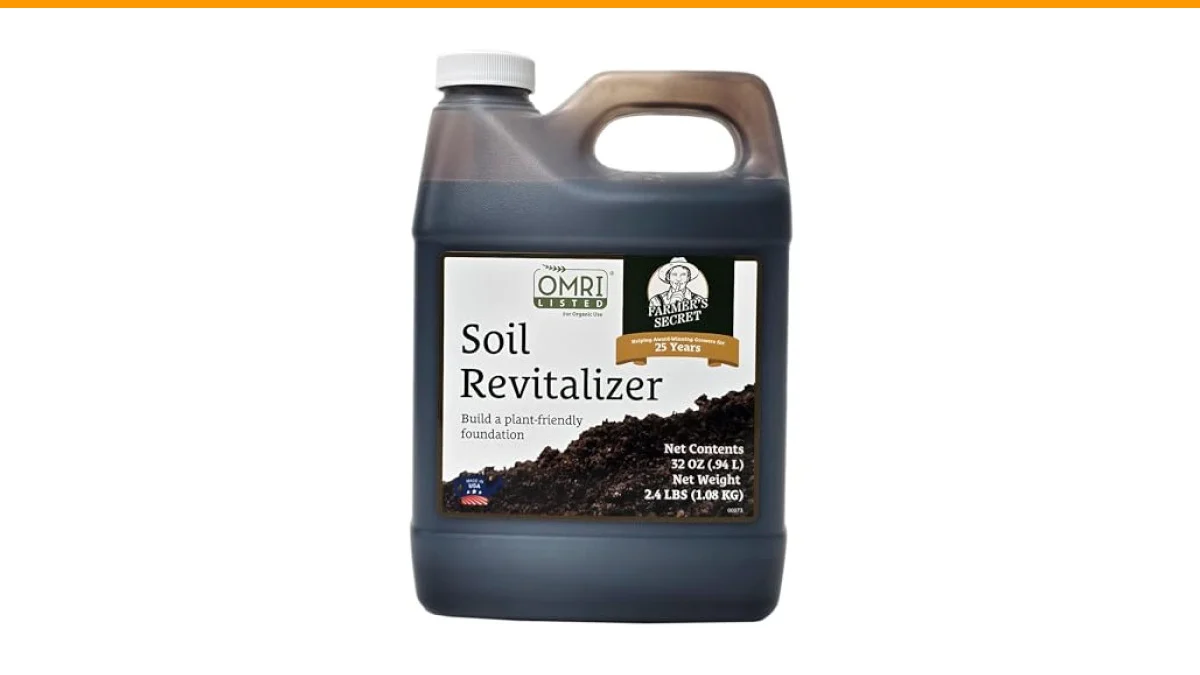
Farmer’s Secret Soil Revitalizer - Organic (OMRI Listed) Dirt Health Booster - Liquid Compost Soil Amendment - Activated Humic Acid - Great for Fall/Spring Application (32oz)
- Feed the soil not the plants - stimulate microbial activity in your soil and boost probability of success with all types of plants…
- For best results, apply monthly throughout the growing season, especially in the fall and spring
- No synthetic chemicals - main ingredient in this product is activated humics derived from organic sources (OMRI certified organic)
One helpful product in this process is the Farmer’s Secret Soil Revitalizer. This organic soil amendment increases microbial activity and promotes soil health, making it an excellent choice for spring application. Simply dilute it and apply it to your soil to give your garden the best start possible.
Assessing Your Soil’s Condition
Before you start any soil preparation, assess the existing condition of your soil. This involves checking for texture, drainage, and pH levels. Here’s how you can do it:
- Texture Test: Take a handful of moist soil, then squeeze it. If it holds together, it’s clay. If it crumbles, it’s sandy. A good garden soil should feel loamy—soft and crumbly.
- Drainage Test: Dig a hole about 12 inches deep and fill it with water. If it drains in less than an hour, drainage is good. If it takes longer, consider improving drainage with organic amendments.
- pH Test: Use a soil pH tester or a DIY method with vinegar and baking soda. Most garden plants prefer a pH of 6.0 to 7.0.
Make notes about your soil’s texture, drainage, and pH to inform your amendment choices.
Amending Your Soil
Once you’ve assessed your soil, it’s time to amend it based on your findings. Here are key amendments to consider:
- Compost: Add 2-3 inches of compost to improve nutrient content and soil structure. It enhances microbial activity, crucial for healthy soil.
- Organic Matter: Incorporate well-rotted manure or leaf mold to boost organic content. Aim for a 2:1 ratio of soil to organic matter.
- Mineral Amendments: If your pH is too low, add lime; if it’s too high, use sulfur. Always follow package directions for application rates.
Mix these amendments into the top 6-12 inches of soil for best results.
Preparing Soil for Planting
After amending, ensure the soil is ready for planting. Follow these steps:
- Tilling: Lightly till the soil to integrate the amendments. Don’t over-till, as this can damage soil structure.
- Leveling: Rake the soil to create a smooth, even surface. This helps with water distribution and seed placement.
- Moistening: Water the soil lightly to prepare it for planting. This helps settle the soil and ensures it’s not too dry at planting time.
Consider applying the Farmer’s Secret Soil Revitalizer during this stage to further enhance soil health.
Soil Preparation Methods Comparison
| Method | Description | Pros | Cons |
|---|---|---|---|
| Composting | Adding decomposed organic matter to enrich soil. | Nutrient-rich, improves soil structure. | Time-consuming, requires space. |
| Soil Testing | Testing soil pH and nutrient levels. | Informs targeted amendments. | Requires additional tools and knowledge. |
| Tilling | Turning over soil to mix amendments. | Improves aeration and mixes nutrients. | Can harm soil structure if overdone. |
| Cover Crops | Growing plants to improve soil health. | Enhances organic matter and prevents erosion. | Requires time before planting main crops. |
What is the best way to prepare soil for spring planting?
The best way to prepare soil involves assessing its condition, amending it with organic materials, and ensuring it is well-aerated and leveled before planting. This sets a solid foundation for plant growth.
How often should I add compost to my garden?
Adding compost once in the spring and once in the fall is typically sufficient. This maintains nutrient levels and improves soil texture.
Can I use fertilizer instead of compost?
While fertilizer can provide nutrients, it doesn’t improve soil structure like compost. It’s best to use both for optimal results.
What tools do I need for soil preparation?
Essential tools include a spade, rake, trowel, soil test kit, and a tiller (if dealing with larger areas).
When should I start preparing my soil for spring planting?
Start preparing your soil as soon as the ground is workable, typically late winter to early spring, depending on your climate.
Final Thoughts on Spring Garden Soil Preparation
- Assess your soil’s texture, drainage, and pH before starting.
- Add 2-3 inches of compost and well-rotted organic matter.
- Incorporate amendments thoroughly into the topsoil.
- Level the soil and moisten it before planting.
- Consider using products like Farmer’s Secret Soil Revitalizer for additional benefits.
- Don’t rush; take your time to prepare your soil well.
- Avoid common mistakes like under-amending or over-tilling your soil.