Imagine stepping into your garden, where vibrant flowers bloom without the constant worry of watering. With climate change and water scarcity becoming increasingly prevalent, many gardeners seek to create drought tolerant gardens that are both beautiful and sustainable. A well-designed drought tolerant garden can thrive in dry conditions, requiring less maintenance and conserving precious water resources.
In this article, you’ll learn how to effectively design a drought tolerant garden. From selecting the right plants to employing smart landscaping techniques, you’ll leave equipped with the knowledge to cultivate a resilient and stunning outdoor space.

SWEET YARDS
Drought Tolerant Wildflowers Mix – Extra Large Packet – Over 7,500 Open Pollinated Non-GMO Seeds – 21 Different Dryland Species
- EXTRA LARGE PACKET contains over 1 full ounce of pure live seeds (7,500+ seeds) - Enough to cover 100 square feet.
- THE FRESHEST SEEDS available lead to high germination rates, making your gardening easy, successful, and fun.
- PREMIUM PACKAGING designed for optimal seed storage, with full planting instructions and reusable zipper - Great for gift giving.
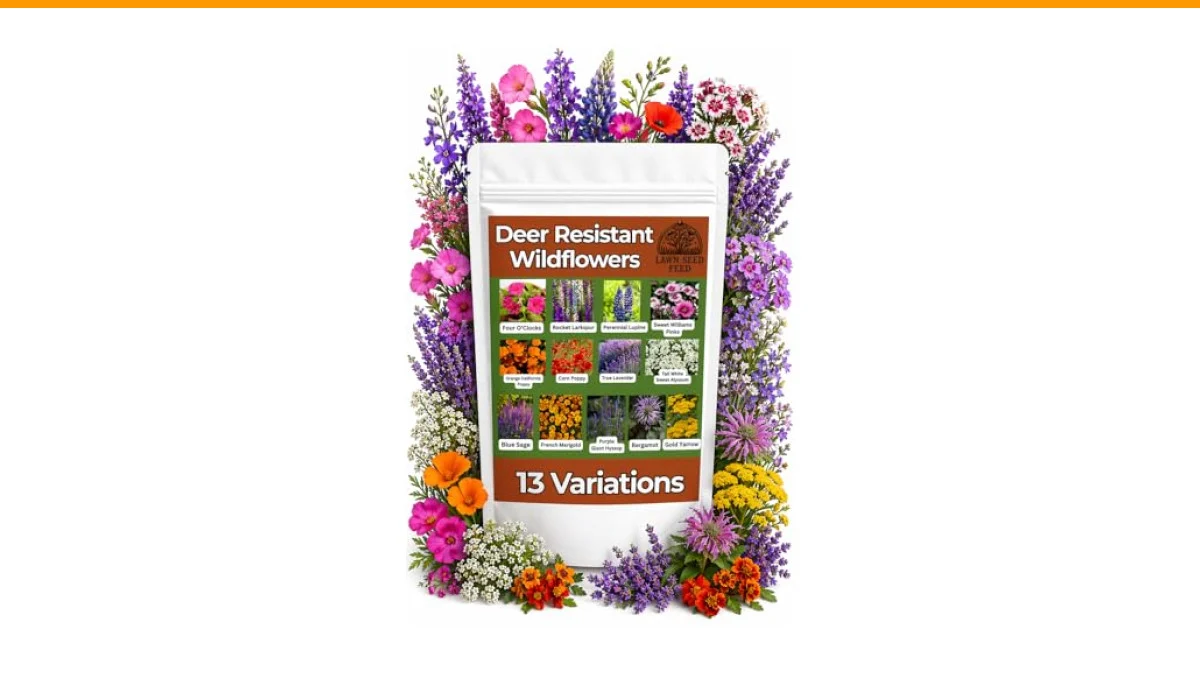
To help kickstart your journey, consider the Drought Tolerant Wildflowers Mix. This extra-large packet contains over 7,500 open-pollinated non-GMO seeds, featuring 21 different dryland species. Such a variety offers a great foundation for a colorful and diverse drought tolerant garden.
Understanding Drought Tolerance
Drought tolerance refers to a plant’s ability to survive and thrive in conditions with limited water. Many plants naturally adapt to arid environments, developing features like deep root systems or thick, waxy leaves to reduce water loss. Understanding these adaptations allows gardeners to select plants that will flourish despite limited rainfall.
Common Misconception: Drought Tolerant Plants Are Boring
Many believe that drought tolerant gardens lack variety and excitement. This is a misconception. In reality, a drought tolerant garden can be incredibly diverse. For instance, consider incorporating a mix of native grasses, wildflowers, and succulents. Each of these plant types provides unique textures and colors, creating visual interest throughout the seasons.
Key Components of Drought Tolerant Garden Design
Designing a drought tolerant garden requires careful planning. Here are essential components to consider:
- Plant Selection: Choose native and drought resistant plants. Examples include lavender, succulents, and ornamental grasses.
- Soil Health: Well-draining soil improves water retention. Consider adding organic matter like compost to enhance soil structure.
- Mulching: Apply a layer of mulch to reduce evaporation and suppress weeds. Organic mulches like bark or straw work well.
- Watering Techniques: Use drip irrigation or soaker hoses to deliver water directly to the roots, minimizing waste.
- Hardscape Elements: Incorporate stones, gravel, or permeable paving to reduce water runoff and create visual interest.
Planting Strategies for Success
When planning your garden layout, consider grouping plants with similar water needs together. This approach, known as hydrozoning, promotes efficient water use. Additionally, planting in layers can maximize space and improve aesthetics. Taller plants can provide shade for shorter ones, further reducing water needs.
Consider the growth habits and mature size of plants. For instance, California poppies and black-eyed Susans are stunning when grouped together, as they provide vibrant colors and attract pollinators.
Comparing Drought Tolerant Plant Options
| Plant | Water Needs | Sun Exposure | Height |
|---|---|---|---|
| Lavender | Low | Full Sun | 2-3 ft |
| California Poppy | Low | Full Sun | 1-2 ft |
| Ornamental Grass | Low | Full Sun to Part Shade | 3-5 ft |
| Echinacea | Moderate | Full Sun | 2-4 ft |
What plants are best for a drought tolerant garden?
Native plants are often the best choice. They thrive in local conditions and support local wildlife. Consider plants like agave, succulents, and desert wildflowers.
How often should I water a drought tolerant garden?
Initially, establish new plants with regular watering. Once established, most drought tolerant plants require watering every 2-4 weeks, depending on rainfall and temperature.
Can I have a lawn in a drought tolerant garden?
Yes, but opt for drought-resistant grass varieties like buffalo grass or fescue. These require less water and maintain a lush appearance.
What is mulch, and why is it important?
Mulch is a protective layer placed on the soil surface. It conserves moisture, regulates soil temperature, and suppresses weeds, making it crucial for drought tolerant gardens.
Are there specific design techniques for a drought tolerant garden?
Techniques include using hydrozoning, layering plants, and incorporating hardscape elements to minimize water runoff. These strategies improve water efficiency and aesthetics.
Final Thoughts for Drought Tolerant Gardening
- Choose native and drought resistant plants to ensure success.
- Implement hydrozoning to group plants with similar water needs.
- Incorporate mulch to conserve moisture and reduce weeds.
- Utilize drip irrigation for efficient watering.
- Consider hardscape elements to enhance visual appeal and reduce runoff.
- Regularly assess your garden’s performance to make necessary adjustments.
- For more gardening tools and tips, explore our guide on garden tool organizers.