Perlite vs Vermiculite in Potting Mix: Understanding the Differences
Contents
Introduction
Many gardeners face a common dilemma: should they use perlite or vermiculite in their potting mix? Both materials are popular, yet they serve different purposes. Understanding how they work can significantly affect your plants’ health and growth. Choosing the right one can mean the difference between thriving plants and struggling ones.
This article will clarify the distinctions between perlite and vermiculite, discussing their properties, uses, and how they can be integrated into potting mixes effectively. By the end, you’ll know which material fits your gardening needs best.

Midwest Hearth
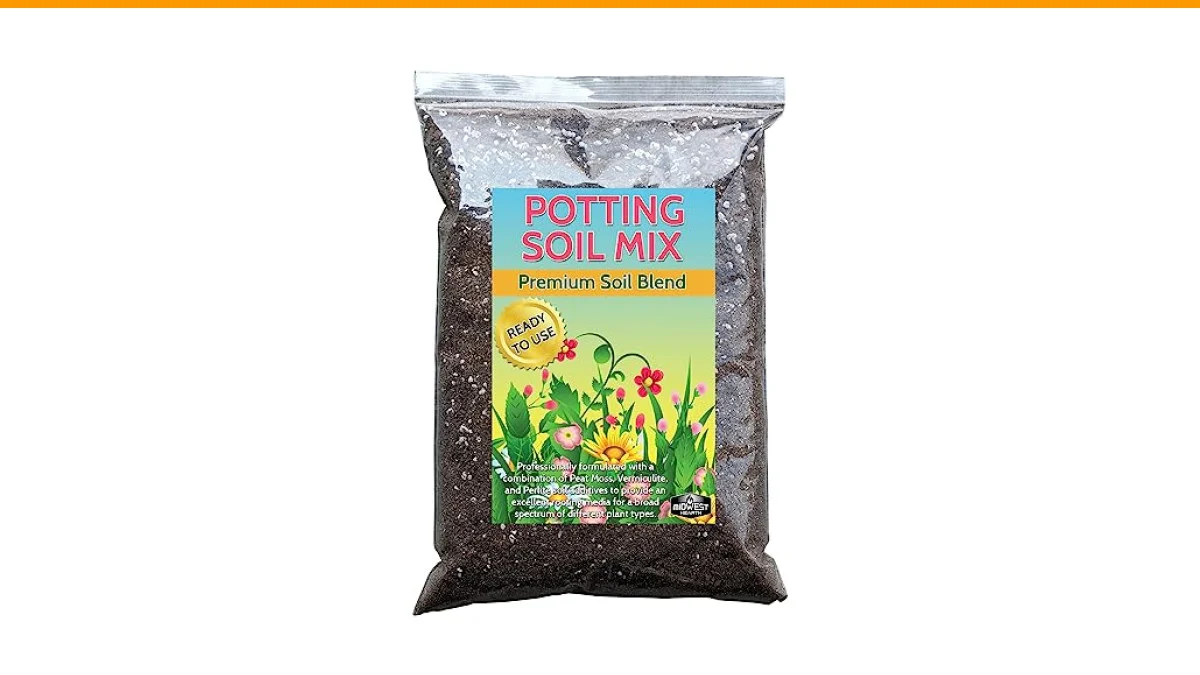
Potting Soil Mix, Peat Moss, Vermiculite, Perlite, Made in USA, 8 Quarts
- READY TO USE MIXTURE - The same formulation as used by professional growers
- PROMOTES ROOT GROWTH - Our special mix provides excellent rooting and growth of your plants, flowers, and garden
- PROVIDES AERATION AND MOISTURE RETENTION - Contains peat moss, perlite and vermiculite for optimum control
If you’re looking for a reliable potting mix that combines the benefits of both materials, consider the Potting Soil Mix from Midwest Hearth. It features a blend of peat moss, vermiculite, and perlite, ensuring excellent aeration and moisture retention for your plants.
What is Perlite?
Perlite is a lightweight volcanic glass that expands when heated. This expansion occurs at around 1,600°F, transforming it into a white, porous material. This unique structure provides excellent drainage and aeration, making perlite a top choice for plant roots.
Perlite typically has the following characteristics:
- Weight: Very lightweight, making it easy to handle.
- Drainage: Drains excess moisture efficiently, reducing the risk of root rot.
- pH Level: Neutral pH, which does not affect soil acidity.
For example, when mixed into potting soil, perlite allows air to reach the roots while preventing water from pooling. This balance is crucial for healthy plant development.
What is Vermiculite?
Vermiculite, on the other hand, is a mineral that expands when heated, similar to perlite. However, it retains more moisture due to its unique structure. This moisture retention makes vermiculite a great addition for plants that prefer a consistently damp environment.
Key features of vermiculite include:
- Weight: Slightly heavier than perlite due to its water-retaining properties.
- Moisture Retention: Holds water well, allowing for gradual moisture release to plant roots.
- pH Level: Generally neutral to slightly alkaline, beneficial for many plants.
In practice, vermiculite is often used for seed starting and for plants requiring more moisture, like ferns and certain tropical plants.
Perlite vs Vermiculite: Key Differences
Understanding the differences between perlite and vermiculite is crucial for effective gardening. Here’s a comparison of their properties:
| Property | Perlite | Vermiculite |
|---|---|---|
| Weight | Lightweight | Heavier |
| Drainage | Excellent | Good |
| Moisture Retention | Low | High |
| pH Level | Neutral | Neutral to slightly alkaline |
| Best Uses | Rooting, aeration | Seed starting, moisture-loving plants |
Common Misconceptions
Misconception 1: Perlite is better than vermiculite for all plants
Some gardeners believe that perlite is universally superior due to its drainage properties. However, this isn’t true for all plants. Moisture-loving species, such as certain orchids, thrive better in vermiculite. It’s crucial to assess your plant’s specific needs before deciding on the mix.
Misconception 2: Vermiculite is only for seedlings
Many people think vermiculite is limited to seed starting. While it’s excellent for this purpose, it can also benefit mature plants that require additional moisture. Mixing vermiculite into potting soil can improve moisture levels for plants like peace lilies or pothos.
FAQs about Perlite and Vermiculite
1. Can I use perlite and vermiculite together in a potting mix?
Yes, combining both can create a balanced mix that offers excellent drainage while retaining necessary moisture. This combination works well for a variety of plants.
2. Is perlite safe for all plants?
Perlite is generally safe for all plants. However, be cautious with delicate roots, as its drainage capabilities can dry out the soil quickly if not monitored.
3. How do I know how much perlite or vermiculite to add to my potting mix?
A common ratio is one part perlite or vermiculite to three parts potting soil. Adjust based on your plant’s moisture needs; increase vermiculite for moisture-loving plants.
4. Does perlite break down over time?
No, perlite does not decompose. It maintains its structure indefinitely, which helps maintain aeration in the soil.
5. Can I use perlite or vermiculite in hydroponics?
Both can be used in hydroponic systems. Perlite provides excellent aeration, while vermiculite retains moisture, making them suitable for different types of hydroponic setups.
Final Thoughts on Perlite and Vermiculite
- Perlite enhances drainage, making it great for many succulent and cacti varieties.
- Vermiculite retains moisture, perfect for seeds and moisture-loving plants.
- Combining both can create a balanced potting mix.
- Assess your plants’ specific needs to choose the right material.
- Consider the Potting Soil Mix from Midwest Hearth for a well-rounded option.