Every gardener faces a common dilemma: should I use organic or synthetic fertilizers? Perhaps you’ve noticed your plants struggling or your garden lacking vibrancy. The choice of fertilizer can significantly influence not just plant health, but the overall ecosystem of your garden. This article will provide a comprehensive comparison of organic and synthetic fertilizers, helping you understand their distinct characteristics, benefits, and drawbacks.
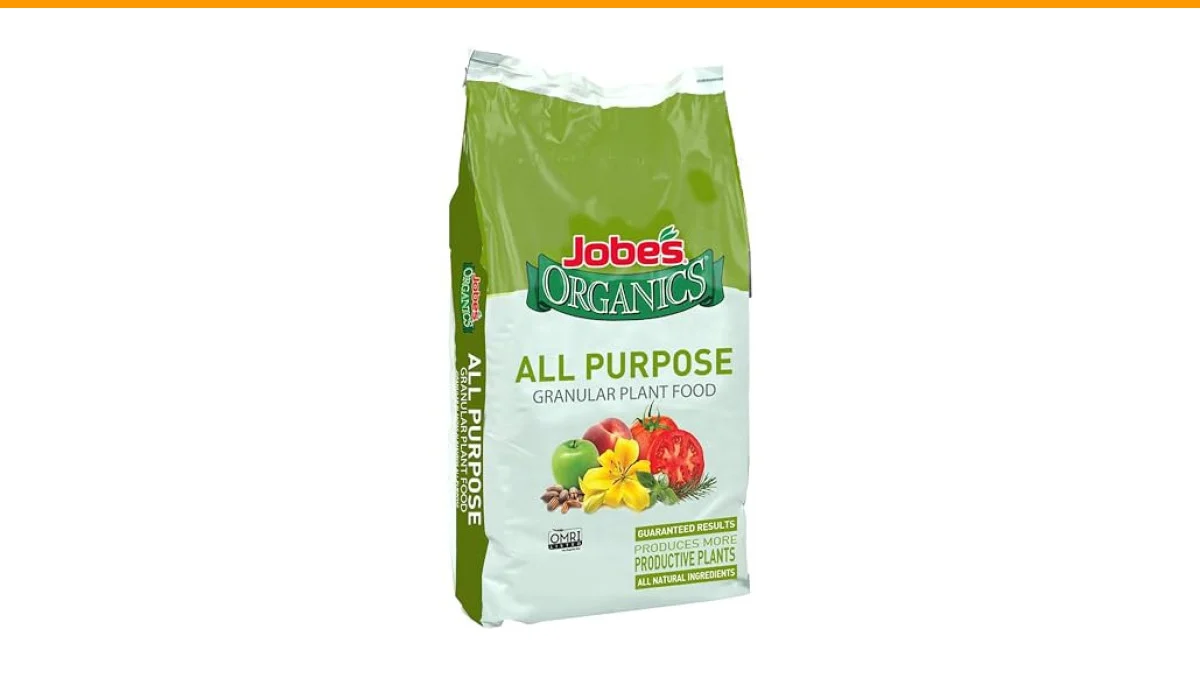
By the end of this article, you’ll grasp the critical differences between these two fertilizer types and be equipped to make informed decisions for your gardening needs. If you’re leaning towards organic solutions, consider Jobe’s Organics Granular All Purpose Fertilizer. This product offers a balanced 4-4-4 NPK ratio, ensuring your vegetables, flowers, and shrubs receive essential nutrients without synthetic chemicals.

Jobe's Organics
Jobe’s Organics Granular All Purpose Fertilizer, Easy Plant Care Fertilizer for Vegetables, Flowers, Shrubs, Trees, and Plants, 16 lbs Bag
- Package contains 16 Pounds organic all purpose plant fertilizer grains and is produced to avoid wasteful runoff, mess, hazards and…
- Plant fertilizer is formulated with a 4-4-4 NPK to provide vegetables, plants, and flowers nutrients they need for a high yield an…
- Jobe's organic fertilizer contains no synthetic chemicals and are OMRI listed for organic gardening by the USDA
Understanding Organic Fertilizers
Organic fertilizers are derived from natural sources such as plant matter, animal manure, or compost. They release nutrients slowly, promoting healthy soil microbiomes. Here are some key features:
- Source: Compost, bone meal, fish emulsion, and manure.
- Nutrient Release: Slow and steady, which helps prevent nutrient leaching during heavy rainfall.
- Environmental Impact: Generally better for the environment, enhancing soil health and biodiversity.
For example, a study showed organic fertilizers can enhance soil structure and water retention, which is particularly beneficial in dry areas.
Understanding Synthetic Fertilizers
Synthetic fertilizers are manufactured chemicals designed to provide specific nutrients quickly. They offer a precise nutrient profile and immediate availability to plants. Here’s what you should know:
- Source: Chemically synthesized compounds.
- Nutrient Release: Rapid, which can lead to quick plant growth but may also cause nutrient runoff.
- Environmental Impact: Potentially harmful due to runoff, which can contaminate water sources.
Studies have highlighted that while synthetic fertilizers can yield quick results, their long-term use can lead to soil degradation and reduced microbial activity.
Comparing the Two: Key Differences
When deciding between organic and synthetic fertilizers, consider the following aspects:
| Aspect | Organic Fertilizers | Synthetic Fertilizers |
|---|---|---|
| Nutrient Source | Natural (plant, animal-based) | Chemical compounds |
| Release Rate | Slow and steady | Fast |
| Soil Health | Improves soil structure and microbial activity | Can degrade soil over time |
| Environmental Impact | Lower risk of runoff and pollution | Higher risk of nutrient leaching |
| Application Frequency | Every 2-3 weeks | Less frequent, depending on formulation |
Frequently Asked Questions
1. Which fertilizer is better for my garden?
The choice between organic vs synthetic fertilizer depends on your gardening goals. If you prioritize soil health and sustainability, organic is typically the better choice. For quick results, synthetic might be more suitable.
2. Can I use both types of fertilizers together?
Yes, combining both can be beneficial. Using organic fertilizers to improve soil health while applying synthetic fertilizers for quick nutrient boosts can provide a balanced approach.
3. How often should I apply organic fertilizer?
Organic fertilizers are best applied every 2-3 weeks during the growing season to ensure plants receive consistent nutrition.
4. Are there any risks associated with synthetic fertilizers?
Yes, synthetic fertilizers can lead to nutrient runoff, which pollutes waterways and harms aquatic life. They may also disrupt soil health over time.
5. How can I tell if my soil needs fertilizer?
Signs include poor plant growth, yellowing leaves, or soil tests showing nutrient deficiencies. Regularly testing your soil can provide critical insights into its health.
Takeaway Points
- Organic fertilizers enhance soil health and biodiversity.
- Synthetic fertilizers provide quick nutrient availability but can harm soil over time.
- Consider your gardening goals when choosing between the two.
- Regular application of organic fertilizers can support plant health without the risks of chemical runoff.
- Combining both types can yield balanced results.
- Monitor soil health through testing to guide your fertilizer choices.
- Products like Jobe’s Organics Granular All Purpose Fertilizer can simplify organic gardening.