Gardening often requires a careful balance of nutrients to ensure plants thrive. If you’ve spent time in the gardening aisle, you may have noticed two popular organic fertilizers: blood meal and bone meal. Both products come from animal sources and are rich in nutrients, but they serve different purposes and have distinct benefits.
This article will help you understand the differences between blood meal and bone meal, their specific uses, and how to apply them effectively. By the end, you’ll be equipped to make informed decisions for your garden’s health.

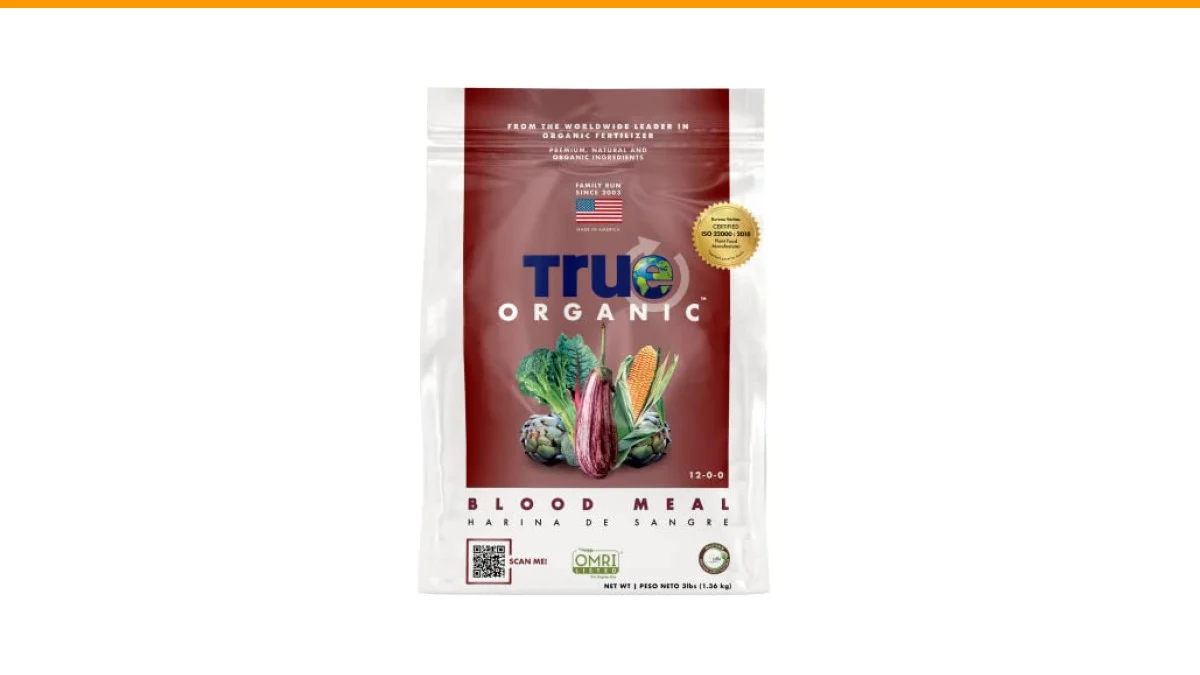
True Organic
True Organic Blood Meal – High-Nitrogen Organic Fertilizer for Rapid Vegetative Growth – 3lb Bag Covers 104 Sq. Ft.
- Encourages Rapid Growth: True Organic Blood Meal is perfect for heavy feeders like corn, spinach, broccoli, and leafy greens, prom…
- High-Nitrogen Formula: A powerful natural source of nitrogen, ideal for boosting lush, green foliage and overall plant health.
- Seasonal Application: Suitable for in-ground and container plants, apply twice annually in Spring and Fall for consistent results.
For those looking for an effective option, consider the True Organic Blood Meal. This high-nitrogen fertilizer is designed to promote rapid vegetative growth, making it ideal for heavy feeders like corn and leafy greens.
Understanding Blood Meal
Blood meal is a dry powder made from animal blood. It is highly concentrated, containing about 12-15% nitrogen. This high nitrogen content makes it an excellent choice for promoting lush, green foliage and rapid growth in plants. Blood meal is particularly beneficial for leafy vegetables and other heavy feeders.
Applications of blood meal are straightforward. You can apply it directly to the soil or mix it into compost. A general guideline is to use about 1-2 pounds per 100 square feet. Its effects can be seen quickly, often within a week, as plants respond to the nitrogen boost.
Exploring Bone Meal
Bone meal, on the other hand, is made from crushed animal bones and is rich in phosphorus, containing about 4-12% phosphorus along with some nitrogen. The phosphorus in bone meal supports root development, flower production, and fruit formation, making it an excellent choice for flowering plants and fruiting vegetables.
Bone meal typically works best when mixed into the soil before planting or as a top dressing for established plants. Recommended application rates vary based on specific plants, but a general application is around 2-4 pounds per 100 square feet. The nutrient release from bone meal is slower compared to blood meal, often taking several weeks to months to fully benefit the plants.
Comparing Blood Meal and Bone Meal
Both blood meal and bone meal offer unique advantages based on their nutrient profiles. Below is a comparison table to help you understand their differences.
| Feature | Blood Meal | Bone Meal |
|---|---|---|
| Nutrient Content | High nitrogen (12-15%) | High phosphorus (4-12%) |
| Best for | Leafy greens, heavy feeders | Flowers, root development |
| Application Rate | 1-2 lbs/100 sq. ft. | 2-4 lbs/100 sq. ft. |
| Speed of Nutrient Release | Fast (1 week) | Slow (weeks to months) |
| Organic Certification | Yes | Yes |
Frequently Asked Questions
1. Can I use blood meal and bone meal together?
Yes, using both can provide a balanced nutrient profile. Blood meal supplies nitrogen for leafy growth, while bone meal adds phosphorus for root and flower development. Just be mindful of application rates to avoid nutrient overload.
2. How often should I apply blood meal?
For most plants, applying blood meal twice a year—once in early spring and again in the fall—works well. Monitor plant growth and adjust if necessary.
3. Is one better than the other for all plants?
No, it depends on the type of plants. Blood meal is excellent for leafy greens, while bone meal benefits flowering and fruiting plants. Choose based on what you are growing.
4. Can I over-fertilize with blood meal?
Yes, over-fertilizing can cause nitrogen burn, leading to brown leaf tips and stunted growth. Stick to recommended application rates and monitor plant health.
5. How should I store blood and bone meal?
Both should be stored in a cool, dry place in airtight containers to maintain their effectiveness. Avoid exposure to moisture, which can cause clumping or spoilage.
Final Thoughts on Fertilizer Choices
- Blood meal is ideal for leafy vegetables and fast growth.
- Bone meal supports root and flower development.
- Application rates vary; always follow guidelines.
- Monitor plant health after application to adjust as needed.
- Using both can create a balanced nutrient environment for diverse plants.
- Store fertilizers properly to extend shelf life.
- Consider your specific gardening goals when choosing between blood meal and bone meal.
Both blood meal and bone meal have their places in gardening. Understanding their uses will help you create a thriving garden. For more insights on organic fertilizers and gardening techniques, check out other articles on Gardening Pleasure.