As winter sets in, many gardeners face the challenge of keeping their plants alive and thriving in containers. The cold can be brutal, turning vibrant greens into wilted browns almost overnight. If you’ve ever looked out at your beautiful container garden, only to see it decimated by frost, you’re not alone. But there’s hope! With the right strategies and materials, winter container gardening can be both rewarding and successful.
This article will guide you through effective techniques for winter container gardening, including plant selection, protection methods, and best practices. You’ll walk away equipped with the knowledge needed to maintain a flourishing container garden, even in the coldest months.

AlpineReach
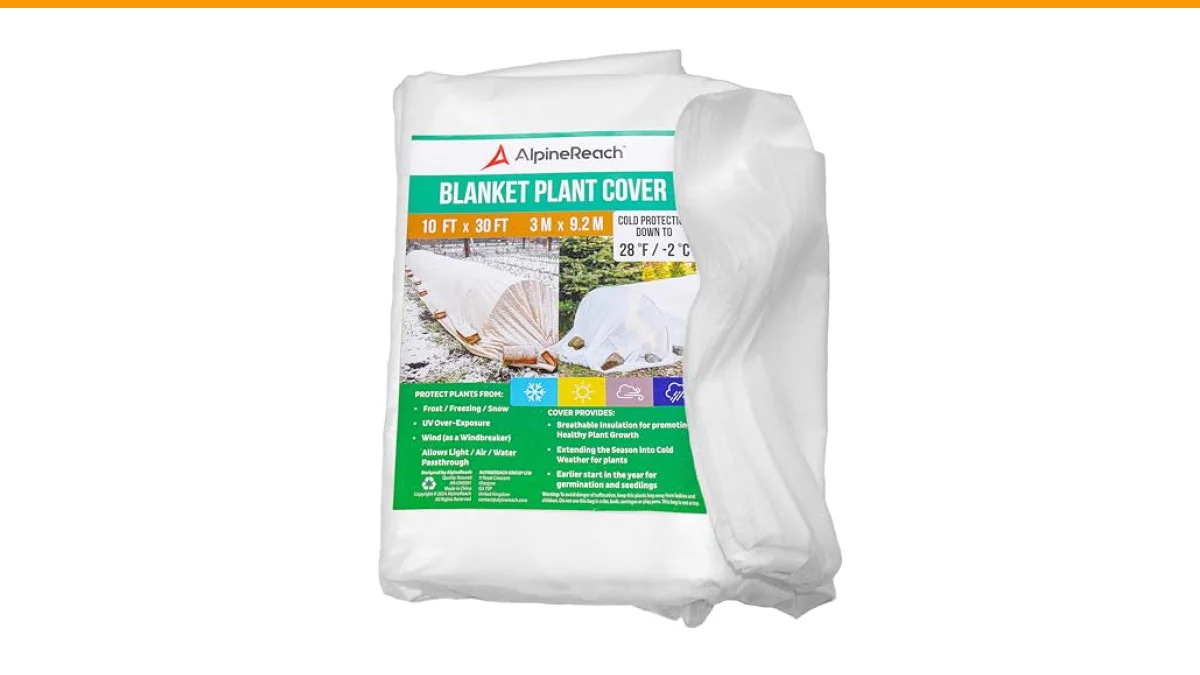
AlpineReach Plant Covers Frost & Sun Protection 10 x 30 ft - Thick 1.2 oz/yd² Freeze Blanket to Low 28 °F Temperatures Floating Row, Garden Fabric Material, Protect in Winter Cold, Gardening Down
- ALL-SEASON PLANT PROTECTION - Safeguard your plants through the harsh winters with our breathable Plant Frost Cover, designed to s…
- PROMOTES HEALTHY GROWTH - Our frost cover acts as an insulation layer, creating a microclimate that keeps plants warmer in cold we…
- BREATHABLE & PERMEABLE DESIGN - Engineered to allow essential light, air, and water to penetrate while keeping out the cold. Your…
One essential tool for winter container gardening is the AlpineReach Plant Covers. These frost and sun protection blankets can create a protective barrier around your plants, shielding them from harsh winter conditions while allowing necessary light and moisture to penetrate.
Choosing the Right Plants for Winter Containers
Selecting the right plants is critical for winter container gardening. Hardy plants thrive in colder temperatures and can withstand frost. Here are some excellent options:
- Pansies: These colorful flowers can endure cold temperatures and add vibrant color to your winter garden.
- Evergreen Shrubs: Varieties like boxwood or holly provide structure and greenery throughout the season.
- Ornamental Cabbage: These unique plants not only survive the cold but can also be quite striking in appearance.
- Winterberry: This native plant offers bright berries that can attract birds and offer winter interest.
When selecting plants, consider your local climate and choose varieties that are hardy in your USDA zone. For example, zones 5-6 often allow for a broader selection of plants compared to zones 3-4.
Proper Container Selection
The right container can make a significant difference in winter container gardening. Consider these factors:
- Material: Choose insulated materials like ceramic, concrete, or wood. These materials help maintain soil temperature.
- Size: Larger containers hold more soil, which retains heat better than smaller ones, helping to protect roots.
- Drainage: Ensure your containers have adequate drainage holes to prevent water from freezing and damaging the roots.
For instance, a large ceramic pot can keep the soil warmer than a small plastic one, making it a better choice for winter use.
Winter Plant Protection Techniques
Even hardy plants need protection from extreme winter elements. Here are some effective methods:
- Mulching: Add a layer of mulch on top of the soil to insulate roots and retain moisture.
- Frost Covers: Use products like the AlpineReach Plant Covers to shield plants from frost and harsh winds.
- Grouping Containers: Cluster your pots together to create a microclimate, reducing exposure to cold winds.
These strategies not only protect plants but can also promote healthier growth, allowing for a more robust start when spring arrives.
Comparing Winter Protection Methods
| Protection Method | Benefits | Considerations |
|---|---|---|
| Mulching | Insulates roots, retains moisture | Can attract pests if not maintained |
| Frost Covers | Protects against frost and wind | Needs regular checking and adjustment |
| Grouping Containers | Creates a warmer microclimate | May not protect from severe cold |
What plants can survive winter in containers?
Many hardy plants, such as pansies, ornamental cabbage, and evergreens, can survive winter in containers. Choose plants suitable for your climate zone to ensure their success.
How do I protect my container plants from frost?
Use frost covers, mulch, and proper placement to shield container plants from frost. Frost protection blankets, like the AlpineReach Plant Covers, can be particularly effective.
Can I use regular potting soil for winter container gardening?
Regular potting soil can work, but consider a mix that provides better drainage and insulation. A blend designed for container gardening can help support plant health in colder temperatures.
Should I water my winter container garden?
Yes, but water sparingly. The soil can dry out in winter, especially if it’s exposed to wind. Check moisture levels regularly, and water when necessary.
What is the best time to plant for winter container gardening?
Fall is the ideal time to plant for winter container gardening. This allows plants to establish roots before cold weather arrives.
Actionable Tips for Winter Container Gardening
- Choose hardy plants suitable for your climate zone.
- Opt for larger, insulated containers to retain heat.
- Utilize frost covers to protect plants from severe weather.
- Regularly check the moisture level of the soil and water as needed.
- Group containers together to create a warmer microclimate.
- Incorporate mulch to insulate and retain moisture.
- Stay informed about local weather patterns to anticipate frost events.
Winter container gardening can be a rewarding endeavor, allowing you to enjoy the beauty of plants year-round. With the right strategies and tools, you can maintain a thriving garden even through the coldest months.