As winter approaches, many gardeners face a common dilemma: what to do with container plants that can’t survive the cold months? If you’ve invested time and effort into nurturing beautiful flowers or vegetables in pots, the thought of losing them to frost is daunting. Fortunately, overwintering container plants is not only possible but can also be straightforward with the right techniques.
This article will guide you step-by-step through the process of overwintering container plants effectively. You’ll learn about the best practices for protecting your plants, specific conditions they need, and how to prepare them for a fruitful return in spring. Whether you’re a novice or a seasoned gardener, you’ll walk away with knowledge to preserve your plants through the harsh winter months.

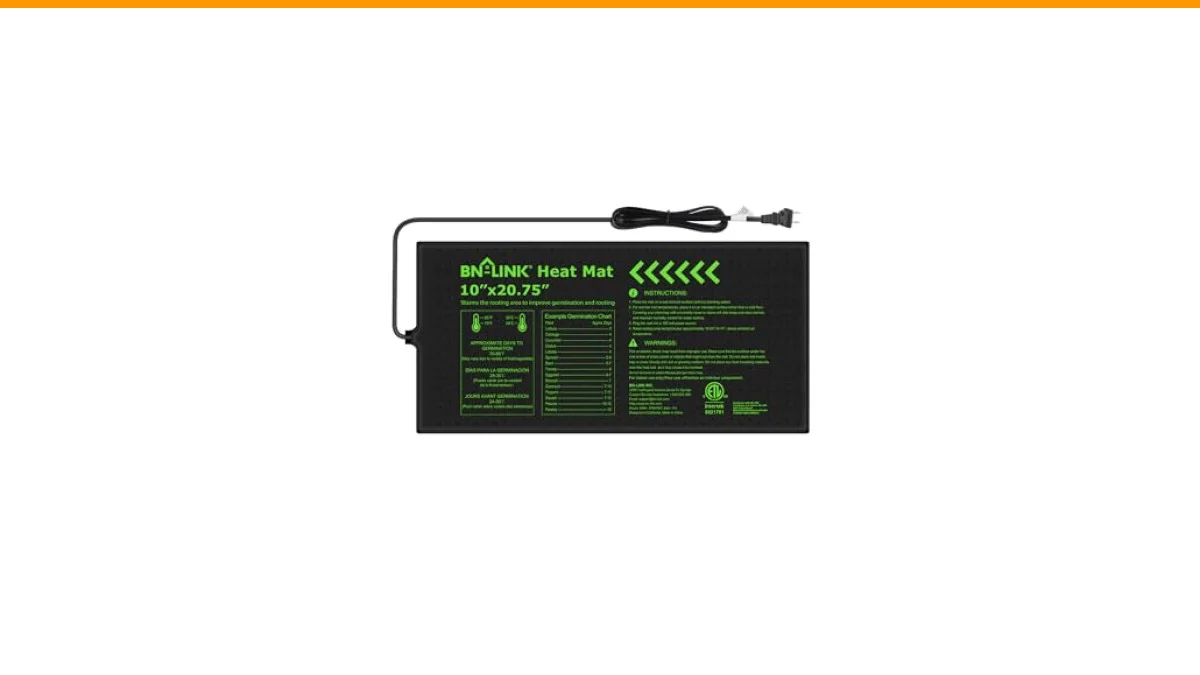
BN-LINK
BN-LINK 10" x 20.75" Seedling Heat Mat for Seed Starting Plants Germination | 1 Pack Durable Waterproof Plant Heating Pad Warming Mat for Seed Starter, Indoor Growing, Hydroponic, Greenhouse, ETL Listed
- IDEAL GERMINATION TEMPERATURE: The BN-LINK seedling heat mats for seed starting helps maintain temperatures around 70°F to 85°F, t…
- STABLE & UNIFORM HEATING: Using advanced far-infrared heating technology and reinforced heating film with dual insulation layers,…
- DURABLE & WATERPROOF: This plant heating pad for indoor growing is made with flexible, multi-layer PVC that is wear-resistant and…
One helpful tool during this process is the BN-LINK 10″ x 20.75″ Seedling Heat Mat. This seedling heat mat maintains optimal germination temperatures, ensuring that even the most delicate plants remain warm and healthy during the colder months.
Understanding Your Plants’ Needs
Before you start overwintering, it’s essential to identify the needs of your specific plants. Some may be more tolerant of cold than others. Generally, consider the following:
- Hardiness Zone: Know your USDA hardiness zone to understand which plants can survive outside.
- Plant Type: Identify whether your plants are annuals, perennials, or tropical. Annuals usually need to be replanted each year, while perennials can often survive if properly cared for.
- Light Requirements: Some plants need more light during winter, which can affect their placement.
- Water Needs: Keep an eye on moisture levels, as overwintering can reduce a plant’s water consumption.
Preparing Container Plants for Winter
Preparation is key to a successful overwintering process. Follow these steps:
- Inspect Your Plants: Check for pests or diseases that could affect their health during winter.
- Prune and Clean: Trim dead or damaged leaves and remove any debris from the pot to promote airflow.
- Move to Safety: Relocate your pots to a sheltered area, such as a garage or shed, where temperatures remain above freezing.
- Mulch: Add a layer of mulch to pots to help insulate roots and retain moisture.
- Water Wisely: Water your plants thoroughly before winter but be cautious not to overwater, as damp soil can lead to root rot.
Methods for Overwintering Container Plants
There are several effective methods for overwintering container plants, each with its advantages:
| Method | Description | Pros | Cons |
|---|---|---|---|
| Bring Indoors | Move plants inside to a well-lit area. | Controlled environment; protection from frost. | Space constraints; not all plants thrive indoors. |
| Wrap Pots | Use burlap, bubble wrap, or foam to insulate pots. | Easy and inexpensive insulation. | Doesn’t protect plant tops; requires monitoring. |
| Cold Frame | Utilize a cold frame to create a mini-greenhouse effect. | Allows light in while protecting from extreme weather. | Initial setup cost; requires space. |
| Mulching | Add mulch around the base of the plant in the pot. | Simple and effective insulation for roots. | Not a standalone solution; may need additional methods. |
Frequently Asked Questions
How do I know if my plants are suitable for overwintering?
Research the specific plant species to check its hardiness and adaptability to cold weather. Many nurseries provide this information, or you can find it online based on your USDA zone.
Can I leave my container plants outside in winter?
Some hardy plants can survive outside, but they need protection. Insulating pots and placing them in sheltered areas can help, but monitor for extreme cold conditions.
What should I do if my plant looks dead in spring?
Don’t give up just yet. Some plants may appear dead but can revive with proper care. Cut back any dead growth and assess watering and light levels.
How often should I water my overwintering plants?
Check the moisture level weekly. Most plants require less water in winter, so only water if the top inch of soil feels dry.
Do I need to fertilize my plants during winter?
Generally, it’s best to avoid fertilizing during winter months. Most plants are dormant and won’t benefit from added nutrients until they begin to grow again in spring.
Final Thoughts for Successful Overwintering
- Know your plant’s hardiness and specific needs.
- Prepare plants by pruning, cleaning, and checking for pests.
- Choose an appropriate overwintering method based on your space and resources.
- Keep monitoring moisture levels and protect against extreme cold.
- Be patient; some plants may look unwell but can bounce back in spring.
With careful planning and attention, overwintering container plants can be a rewarding experience. Your plants will thank you when they thrive again in the warm sunshine of spring.