Growing Peppers in Containers: A Comprehensive Guide
Contents
Introduction
Imagine biting into a fresh, juicy pepper you grew yourself. Whether you’re an apartment dweller with limited space or someone wanting to add a splash of color to your patio, growing peppers in containers is both practical and rewarding. With the right approach, you can grow a variety of peppers, from sweet bell peppers to spicy jalapeños, right on your balcony or porch.
This guide will provide you with everything you need to know about growing peppers in containers, including selecting the right varieties, soil, watering techniques, and care tips. You’ll walk away ready to start your own container garden and enjoy the fruits of your labor.
Bonviee
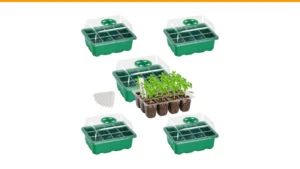
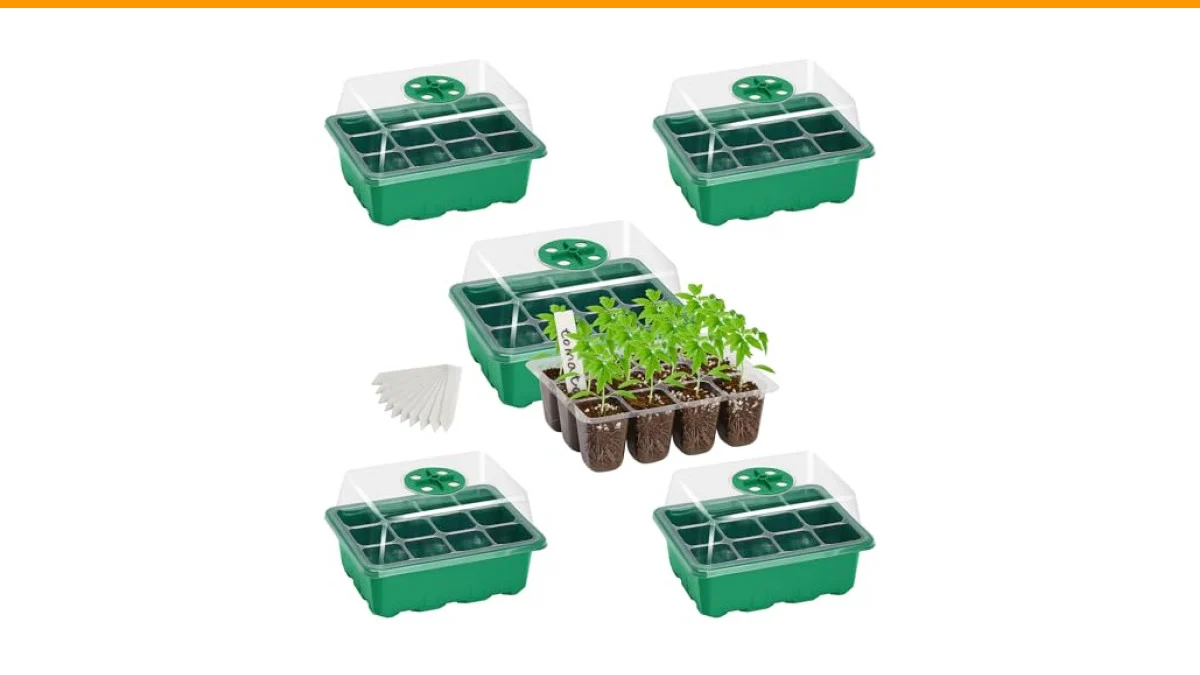
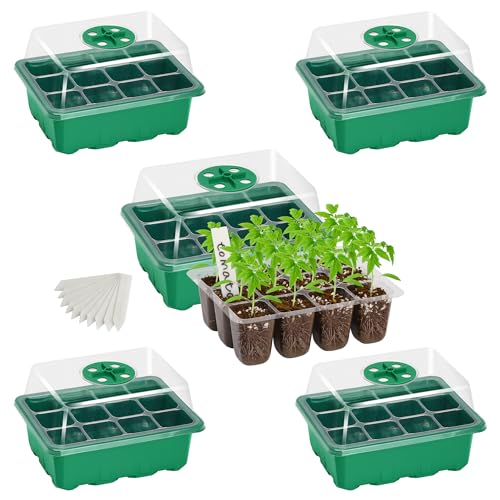
Bonviee 5-Pack Seed Starter Trays, Humidity Dome, Base, 12-Cell Tray, Green
- 【Keep an eye on your plant】: The only design in the market- High quality clear plastic trays of this seed grow kit make it easier…
- 【Total control】: Adjustable vents of this seed trays allow you to regulate the temperature and humidity of your seedling environme…
- 【Perfect for the heat mat】: With its excellent resistance to high and low temperature, these seedling trays are strong enough to b…
If you’re planning to start your peppers from seeds, consider using the Bonviee 5-Pack Seed Starter Trays. These trays come with humidity domes and adjustable vents to control your seedlings’ environment, ensuring optimal germination conditions.
Choosing the Right Peppers for Containers
Not all pepper varieties thrive in containers; some grow too large while others may not produce well. Here are a few recommended varieties:
- Bell Peppers: Ideal for beginners, these peppers are sweet and versatile.
- Jalapeños: A popular choice for those who enjoy heat. They grow well in pots and are quite productive.
- Shishito Peppers: These Japanese peppers are mild and often enjoyed grilled. They adapt well to container growing.
- Cherry Peppers: Compact and easy to grow, these small peppers are perfect for snacking.
Soil and Container Selection
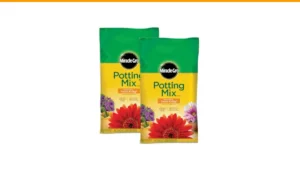
Choosing the right soil mix is as important as selecting the right peppers. Use a high-quality potting mix that drains well but retains moisture. Look for mixes specifically designed for vegetables.
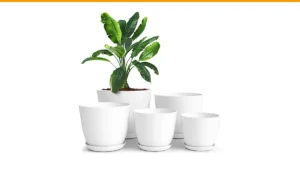
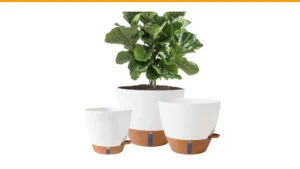
When selecting containers, ensure they have adequate drainage holes. A container size of at least 5 gallons is ideal for most pepper varieties. However, larger pots (up to 10 gallons) can yield even better results.
Watering and Fertilizing
Peppers need consistent moisture, but overwatering can lead to root rot. Water your peppers when the top inch of the soil feels dry. Generally, this means watering every 2-3 days, but this can vary based on your climate and container size.
Fertilizing is crucial for healthy growth. Use a balanced fertilizer every 4-6 weeks, especially after the plants begin to flower. Look for fertilizers with an N-P-K ratio of around 5-10-10 to encourage blooming and fruiting.
Comparison of Container Options for Growing Peppers
| Container Type | Size Recommendation | Drainage | Heat Retention |
|---|---|---|---|
| Plastic Pots | 5-10 gallons | Good | Moderate |
| Terracotta Pots | 5-10 gallons | Excellent | High |
| Fabric Pots | 5-10 gallons | Good | Low |
| Self-Watering Containers | 5-10 gallons | Excellent | Moderate |
Common Questions About Growing Peppers in Containers
1. How much sunlight do pepper plants need?
Pepper plants thrive in full sun, requiring at least 6-8 hours of direct sunlight daily. If your space is limited, consider placing your containers where they’ll receive the most light.
2. Can I grow peppers indoors?
Yes, peppers can be grown indoors if they receive adequate light. Use grow lights if natural light is insufficient, especially during the winter months.
3. What pests should I watch for?
Common pests include aphids, spider mites, and whiteflies. Regularly inspect your plants and use insecticidal soap or neem oil as needed.
4. How do I know when to harvest my peppers?
Harvest peppers when they reach their full size and color. Bell peppers can be picked green or left to ripen to red, while hot peppers should be harvested based on your heat preference.
5. What is the best time to plant peppers?
Start seeds indoors 8-10 weeks before the last frost date. Transplant outdoors after the threat of frost has passed and when soil temperatures reach at least 70°F.
Practical Tips for Growing Peppers in Containers
- Choose a sunny spot for your containers.
- Ensure good drainage to prevent root rot.
- Rotate your pots to allow even sunlight exposure.
- Monitor for pests and diseases regularly.
- Consider companion planting to deter pests.
- Mulch your containers to retain moisture.
- Keep a gardening journal to track growth and yields.