Mastering the Art of Deadheading Summer Flowers
Contents
Imagine stepping into your garden, greeted by vibrant blooms that burst with color. You admire the fresh petals and the sweet aroma, but before long, you notice fading flowers that detract from the overall beauty. This is where deadheading summer flowers comes into play. Removing spent blooms not only keeps your garden looking its best, but it also encourages new growth and prolongs the flowering period. In this article, you’ll learn the techniques and timing for effective deadheading, along with essential tools to make the process easier.
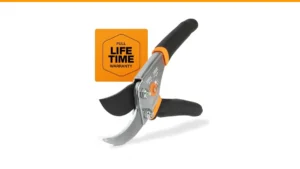
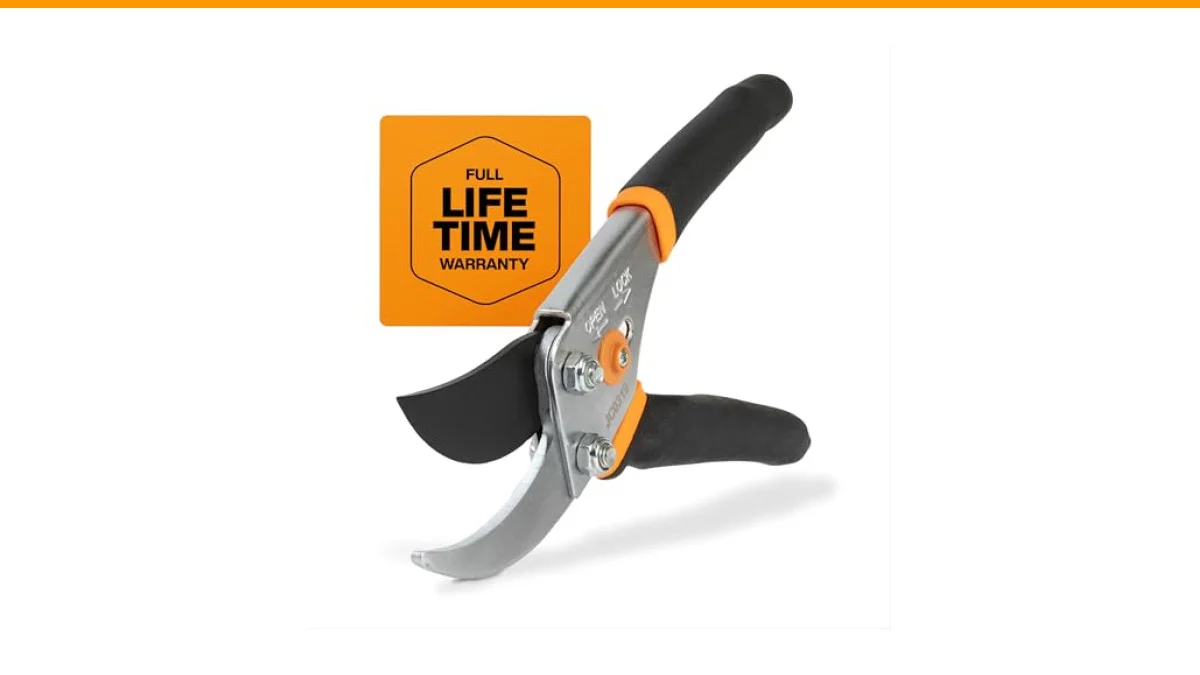
For optimal deadheading, consider using the Fiskars Bypass Pruning Shears. These garden clippers are designed to make clean cuts on delicate flower stems without causing damage. With their precision-ground steel blades and ergonomic grip, they are well-suited for both routine maintenance and detailed pruning tasks. Investing in a quality tool like this can significantly enhance your gardening experience.

Fiskars
Fiskars Bypass Pruning Shears, 5/8" Cut Capacity Garden Clippers
- CLEAN CUTS FOR LIVE GROWTH: Bypass blade design is ideal for pruning delicate flower stems and green growth, helping reduce crushi…
- BLADES STAY SHARP: Precision-ground steel blades are engineered to stay sharp through heavy use, & all-steel construction provides…
- SMART BLADE FEATURES: Blade coating helps reduce friction for smoother cuts, minimizes sap buildup & gumming, and enhances resista…
Understanding Deadheading: Why It Matters
Deadheading is the practice of removing faded or spent flowers from plants. This process serves multiple purposes:
- Encourages New Blooms: Many flowering plants will produce new buds if you remove the old ones. This can lead to a more extended blooming period.
- Improves Aesthetics: Removing wilted flowers enhances the overall appearance of the plant and garden.
- Prevents Seed Formation: Some plants may focus energy on seed production instead of blooming. Deadheading redirects energy back to growth.
When to Deadhead Summer Flowers
The timing of deadheading depends on the type of flower. Generally, it’s best to deadhead when flowers begin to wilt but before they form seeds. For many summer flowers, this can mean deadheading every few weeks. Here’s a general guideline:
- Annuals: Deadhead regularly throughout the blooming season to encourage continuous flowering.
- Perennials: Deadhead after the first bloom to promote a second flowering in late summer.
- Roses: Remove spent flowers just above the first set of leaves, typically every two weeks.
Techniques for Effective Deadheading
Using the right technique is essential for successful deadheading. Here are some effective methods:
- Pinching: For smaller flowers, use your fingers to pinch off the spent bloom. This method is quick and reduces the risk of damaging surrounding foliage.
- Cutting: For larger flowers or stems, use pruning shears. Make cuts at a 45-degree angle just above a leaf node. This promotes better healing and reduces the risk of disease.
- Removing Old Leaves: Combine deadheading with a light trim of old foliage to improve air circulation and overall plant health.
Comparing Deadheading Methods
| Method | Best For | Tools Needed | Frequency |
|---|---|---|---|
| Pinching | Small flowers | Hands | Every 1-2 weeks |
| Cutting | Larger blooms | Pruning shears | Every 1-3 weeks |
| Removing Leaves | Overall plant health | Pruning shears | As needed |
What types of flowers should I deadhead?
Flowers that benefit from deadheading include petunias, geraniums, and roses. These plants will bloom more profusely and for a longer period with regular deadheading.
Can I deadhead in the fall?
Generally, it’s best to deadhead in the summer. However, some gardeners prefer to leave spent flowers on perennials in the fall to provide seeds for birds or to add winter interest.
How do I know if a flower needs deadheading?
Look for flowers that are wilting, browning, or have lost their vibrant color. If the bloom looks spent, it’s time to deadhead.
Is deadheading necessary for all flowers?
No, not all flowers require deadheading. Some plants, like certain types of sunflowers, can self-seed and benefit from leaving spent blooms intact.
Can deadheading harm the plant?
Deadheading, when done correctly, should not harm the plant. However, improper technique, such as cutting too low or damaging healthy leaves, can stress the plant.
Final Thoughts on Deadheading Summer Flowers
- Deadheading promotes a longer blooming period.
- Use quality tools, like the Fiskars Bypass Pruning Shears, for effective cuts.
- Regularly check your plants for spent blooms.
- Different methods suit different flower types.
- Deadhead at the right time to maximize blooming.
With these insights, you can maintain a thriving garden filled with beautiful summer flowers. For more gardening tips, check out our guides on best indoor plant soil and garden carts on wheels.