Imagine standing in your garden, surrounded by vibrant blooms and lush greenery. You notice some plants look overgrown, while others seem stunted. Pruning can transform your garden, enhancing growth and health. This spring pruning guide will help you understand when and how to prune various plants, ensuring your garden flourishes.
After reading this guide, you’ll have the knowledge to tackle spring pruning confidently. You’ll learn about different techniques, the best timing for pruning, and the tools that make the job easier. With this information, your garden will not only survive but thrive.
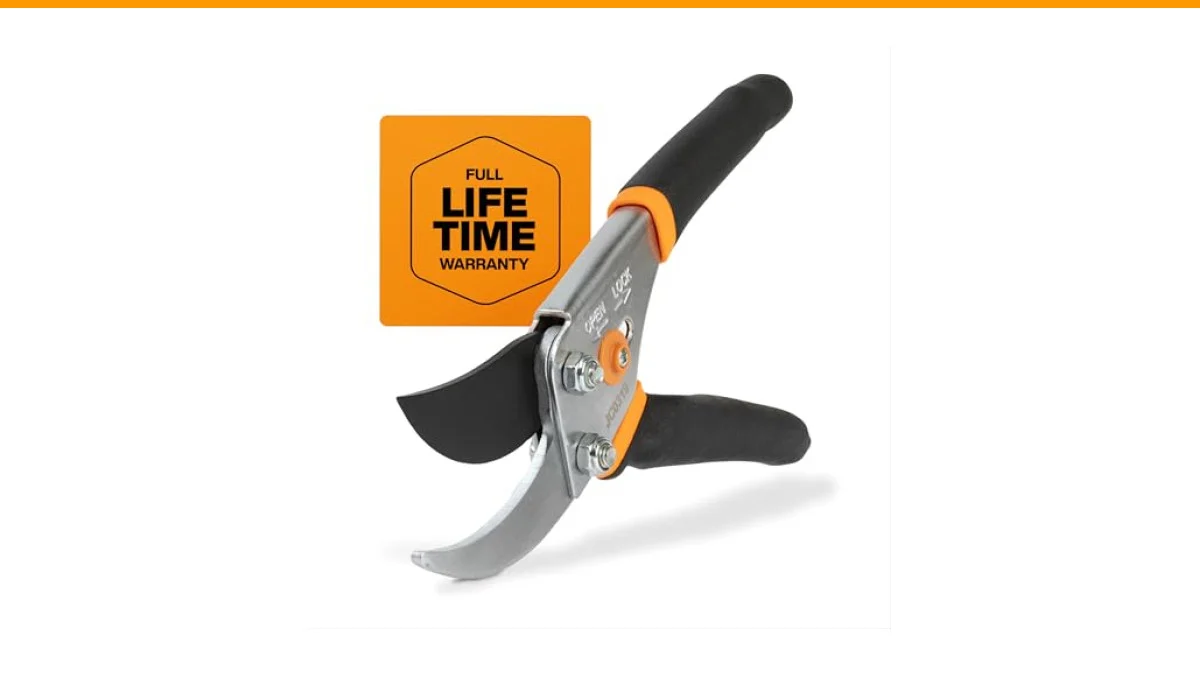
Consider investing in quality pruning tools, such as sharp shears and loppers, which can significantly ease the process. A well-maintained toolset contributes to cleaner cuts, promoting better healing for your plants.
Understanding the Basics of Pruning
Pruning involves removing specific parts of a plant, like branches or leaves, to improve its structure, health, or fruit production. The best time to prune varies by plant species, but spring is generally an ideal time for many trees and shrubs. Here are some key points to consider:
- Timing: Prune before new growth starts, usually late winter to early spring.
- Technique: Use sharp tools to make clean cuts, preventing damage.
- Health: Remove dead, diseased, or crossing branches to improve airflow and sunlight exposure.
For flowering plants, the timing of pruning can affect bloom production. For example, spring-blooming shrubs should be pruned right after flowering, while summer-blooming varieties should be pruned in early spring.
Essential Pruning Techniques
Different plants require specific pruning techniques. Here’s an overview of some common methods:
- Thinning: Remove selected branches to improve airflow.
- Heading back: Cut back stems to encourage bushier growth.
- Reduction: Shorten branches to maintain size and shape.
For most shrubs, a good rule of thumb is to remove about one-third of last year’s growth. This helps rejuvenate the plant without stressing it too much.
Tools You Need for Effective Pruning
Having the right tools can make a significant difference. Here are some essentials:
- Hand pruners: Ideal for small branches and delicate plants.
- Loppers: Perfect for thicker branches, providing more leverage.
- Pruning saw: Necessary for larger limbs that require more cutting power.
Investing in high-quality tools will last longer and provide better results. Regular maintenance, such as sharpening blades, keeps them effective.
| Tool | Best For | Length |
|---|---|---|
| Hand pruners | Small branches | Up to ¾ inch |
| Loppers | Medium branches | ¾ inch to 2 inches |
| Pruning saw | Thick branches | 2 inches and above |
Common Questions About Spring Pruning
When is the best time to prune?
The best time to prune depends on the type of plant. Generally, late winter or early spring is ideal for many trees and shrubs, just before new growth begins.
What should I avoid when pruning?
Avoid removing more than one-third of a plant’s growth at once. This can stress the plant, leading to poor recovery.
How do I know which branches to cut?
Look for dead, damaged, or diseased branches. Also, remove any crossing branches that rub against each other.
Can I prune flowering plants in spring?
Yes, but timing matters. Spring-blooming plants should be pruned right after they finish flowering, while summer-blooming plants can be pruned before new growth begins in spring.
Is pruning necessary every year?
Not every plant needs annual pruning. Some may benefit from it every couple of years to maintain health and shape.
Final Tips for Spring Pruning Success
- Start with clean, sharp tools to ensure healthy cuts.
- Know your plant species to understand their specific pruning needs.
- Prune on a dry day to minimize the risk of disease.
- Consider using a pruning seal on larger cuts to protect the plant.
- Observe the shape of the plant while pruning to maintain its natural form.
- Take your time; rushing can lead to mistakes.
For more detailed information on tools to help you with your pruning tasks, check out best garden tool organizers for pruning tools. Additionally, if you want to enhance your gardening knowledge further, explore our article on the best lawn fertilizer for early spring.
Spring is a prime time for pruning, setting the stage for a vibrant garden throughout the year. Take these insights and get started on your spring pruning today!