Introduction
As winter approaches, many gardeners face a common challenge: protecting plants from frost. The sudden drop in temperature can cause significant damage to tender foliage, leading to wilted leaves and even plant loss. Imagine nurturing your plants all season only to see them succumb to frost overnight. Understanding how to minimize this risk is crucial for maintaining a thriving garden.
This article will equip you with a range of strategies to safeguard your plants against frost. From practical methods like covering plants to utilizing specialized products, you’ll gain the knowledge needed to protect your green investments. By the end, you’ll be ready to face winter with confidence.
One effective tool for winter protection is the Homimp Plant Covers. This product includes four durable covers designed to shield outdoor plants from harsh weather conditions. With a drawstring and zipper design, these covers allow for easy application while ensuring your plants stay warm and protected.
Understanding Frost and Its Effects
Frost occurs when the temperature drops below 32°F (0°C), causing moisture in the air to freeze. While some plants are hardy and can withstand frost, many delicate varieties, including annual flowers and young seedlings, may suffer irreversible damage. Symptoms of frost damage include leaf discoloration, wilting, and stunted growth.
Frost can form even on clear nights, especially in low-lying areas where cold air settles. It’s essential to monitor local temperatures closely during the winter months. Keeping an eye on the forecast can help you prepare your plants for unexpected cold snaps.
Effective Methods for Protecting Plants from Frost
Several strategies can help safeguard your plants from frost, ranging from simple coverings to more elaborate heating solutions. Here are some of the most effective methods:
- Use Plant Covers: Lightweight frost covers, like those from Homimp, act as a barrier against cold temperatures. They trap heat and provide insulation, ensuring that your plants remain warm. These covers are particularly useful for young plants.
- Mulching: Applying a thick layer of mulch around the base of plants not only retains moisture but also provides insulation. Organic materials such as straw, wood chips, or grass clippings can be effective.
- Watering: Watering your plants a day before a frost is predicted can offer some protection. Wet soil retains heat better than dry soil, helping to keep the root zone warmer.
- Row Covers: Floating row covers are another option. They allow light and moisture to penetrate while providing a protective layer against frost. These covers can be placed directly over plants without touching them.
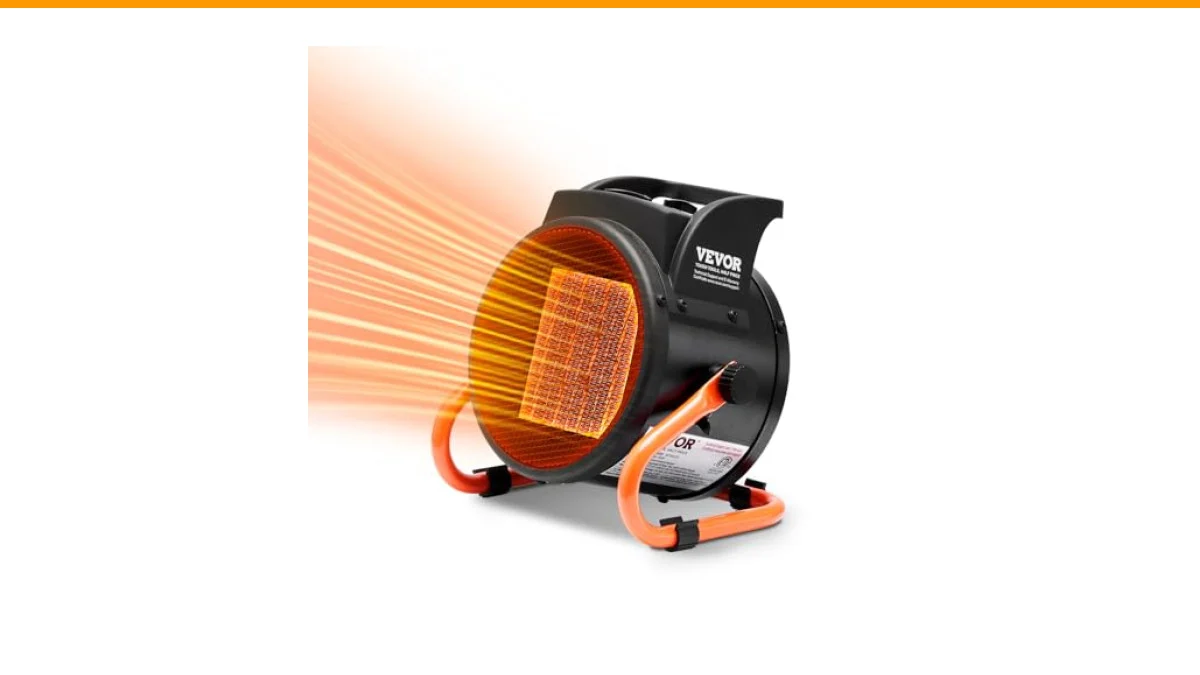
- Heat Sources: For more vulnerable plants, consider using heat sources, such as outdoor-safe string lights or heat lamps. These can help maintain a warmer microclimate around your plants during the coldest nights.
Comparing Methods for Frost Protection
| Method | Effectiveness | Ease of Use | Cost |
|---|---|---|---|
| Plant Covers | High | Easy | Moderate |
| Mulching | Moderate | Easy | Low |
| Watering | Low to Moderate | Very Easy | Low |
| Row Covers | High | Moderate | Moderate |
| Heat Sources | Very High | Moderate to Difficult | High |
Frequently Asked Questions
1. How can I tell if my plants are frost-damaged?
Look for brown, wilted, or mushy leaves. If the plant appears limp or discolored after a frost, it may be damaged. In some cases, the damage may not be immediately visible, so monitor the plant over time.
2. When should I cover my plants for frost protection?
Cover your plants in the evening before a frost is expected. Remove the covers in the morning once temperatures rise above freezing to prevent overheating.
3. Are all plants susceptible to frost?
No, many hardy plants, such as certain perennials and shrubs, can withstand frost. However, tender annuals and young seedlings are particularly vulnerable and require protection.
4. Can I use plastic for frost protection?
While plastic can be used, it’s not ideal as it may trap moisture and cause more harm than good. It’s best to use breathable materials like fabric covers that allow air circulation.
5. How effective are homemade frost covers?
Homemade frost covers can be effective if constructed properly. Use materials like old sheets, blankets, or burlap, but ensure they do not touch the plant foliage.
Takeaways for Protecting Your Plants
- Monitor temperatures and be proactive about frost predictions.
- Use breathable plant covers to insulate and protect delicate plants.
- Apply mulch around the base of plants for added warmth.
- Water plants before a frost to help retain heat in the soil.
- Consider using heat sources for vulnerable plants on extremely cold nights.
- Experiment with different methods to find what works best for your garden.
- Stay informed about your specific plant varieties and their frost tolerance.