Ordering Seeds in Winter: A Comprehensive Guide
Contents
Get Ready to Grow: Ordering Seeds in Winter
As winter settles in, many gardeners face the dilemma of waiting for spring to start their planting. However, winter is actually an excellent time to order seeds for the upcoming growing season. With a little planning, you can have a successful garden that flourishes when the temperatures rise. This article will guide you on how to effectively order seeds in winter, ensuring you’re prepared for a bountiful harvest.
You’ll learn about the best practices for selecting seeds, the right timing for ordering, and how to start your seedlings indoors. With the right tools and knowledge, winter can become a productive time for your gardening endeavors.

Burpee
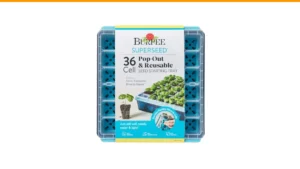
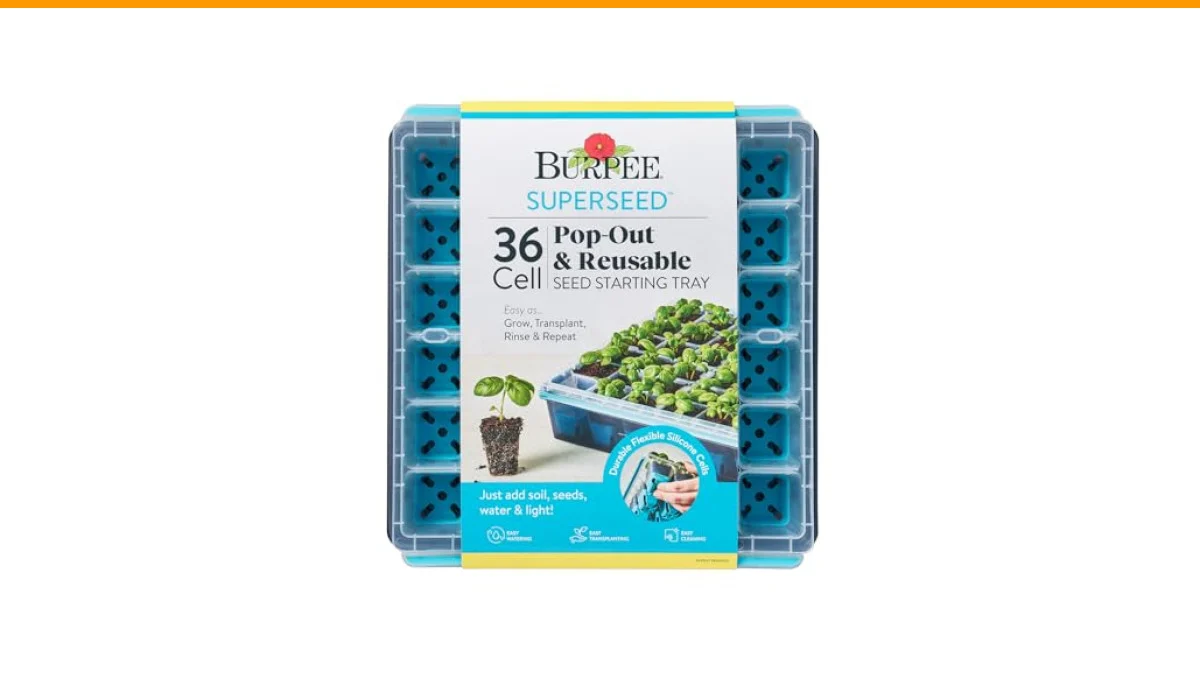
Burpee SuperSeed 36-Cell Reusable Seed Starting Tray for Indoor Seedlings
- EASIER SEED STARTING: Our Burpee SuperSeed tray with 36 flexible pop-out cells is designed to simplify indoor seed starting for al…
- SMARTER WATERING SYSTEM: Molded corner slots in each cell improve drainage and soil aeration to set your seeds up for germination…
- SIMPLER TRANSPLANTING: Soft food-grade silicone cells cradle seedlings and gently flex to pop out when it’s time to transplant int…
One helpful tool for starting your seeds indoors is the Burpee SuperSeed 36-Cell Reusable Seed Starting Tray. This tray simplifies the process of indoor seed starting and is designed for optimal germination success.
Why Order Seeds in Winter?
Many gardeners underestimate the advantages of ordering seeds during winter. First and foremost, it allows you to take advantage of early bird specials or discounts offered by seed companies. Additionally, ordering in advance ensures that you get the varieties you want before they sell out. Some popular seeds may have limited availability, especially heirloom and organic options.
Another benefit is the ability to start planning your garden layout. You can research which plants thrive in your climate and when to sow them. This proactive approach ultimately leads to healthier plants and a more organized garden.
Common Misconception: All Seeds Are the Same
Many believe that all seeds are created equal, but this is far from the truth. Different seeds have varying germination rates, growth requirements, and resistance to diseases. Understanding these differences is crucial when ordering seeds in winter. For instance, heirloom seeds often have a richer flavor and better adaptability than hybrid seeds, making them a favorite among experienced gardeners.
Moreover, certain seeds require specific conditions to germinate successfully. For example, some may need stratification (a cold treatment) or scarification (a physical process to break seed dormancy). Always read the seed packets carefully to understand the specific needs of each variety.
Timing Your Seed Orders
Timing is essential when ordering seeds in winter. Generally, it’s best to place your orders between late December and early February. This window allows you to receive your seeds in time to start them indoors. Many vegetables, such as tomatoes and peppers, should be started 6-10 weeks before the last frost date in your area.
For example, if your average last frost date is May 15, you should start ordering your seeds by mid-January to ensure that you have them ready for planting in early March. Additionally, keep track of your local climate and adjust your ordering schedule as needed.
Comparing Seed Ordering Options
| Seed Source | Advantages | Disadvantages |
|---|---|---|
| Local Garden Centers | Immediate availability, support local businesses | Limited variety, potential higher prices |
| Online Seed Retailers | Wider selection, often lower prices | Longer shipping times, potential for delays |
| Seed Exchanges | Access to rare and heirloom varieties, community engagement | Uncertain germination rates, lack of quality control |
Frequently Asked Questions
What types of seeds should I order in winter?
Focus on vegetables that require an early start, such as tomatoes, peppers, and eggplants. You can also consider herbs like basil and parsley.
How do I ensure seeds germinate successfully indoors?
Use a quality seed starting mix, and maintain consistent moisture and temperature. The Burpee SuperSeed tray is designed to facilitate proper drainage and aeration, which aids germination.
Can I order seeds from any store?
Not all stores carry quality seeds. Look for reputable suppliers that specialize in seeds. Reading reviews and checking their germination rates can help you choose.
When should I start my seedlings indoors?
Typically, start seedlings 6-10 weeks before your last frost date. Always refer to the specific instructions on your seed packets.
Is it worth ordering organic seeds?
Organic seeds often yield healthier plants and contribute to sustainable gardening practices. They are typically more resilient and flavorful compared to conventionally grown seeds.
Final Thoughts on Ordering Seeds in Winter
- Order seeds early to ensure availability and take advantage of discounts.
- Understand the differences between seed types to select the best options for your garden.
- Plan your seed starting schedule based on your local frost dates.
- Utilize tools like the Burpee SuperSeed tray to simplify indoor seed starting.
- Research reputable seed sources to guarantee quality and germination rates.
- Engage with gardening communities for seed exchanges and advice.
- Enjoy the process of planning and preparing for your upcoming garden season.