

Essential Spring Pruning Guide for Gardeners
Contents
Spring arrives, and with it comes the promise of new growth. Gardeners often feel a surge of excitement as they envision their plants flourishing in the warm sunshine. However, many find themselves wondering how to best prepare their gardens for the season. Spring pruning is a crucial task that can significantly impact the health and aesthetics of your plants. This guide will help you understand when, how, and what to prune to ensure your garden not only survives but thrives.
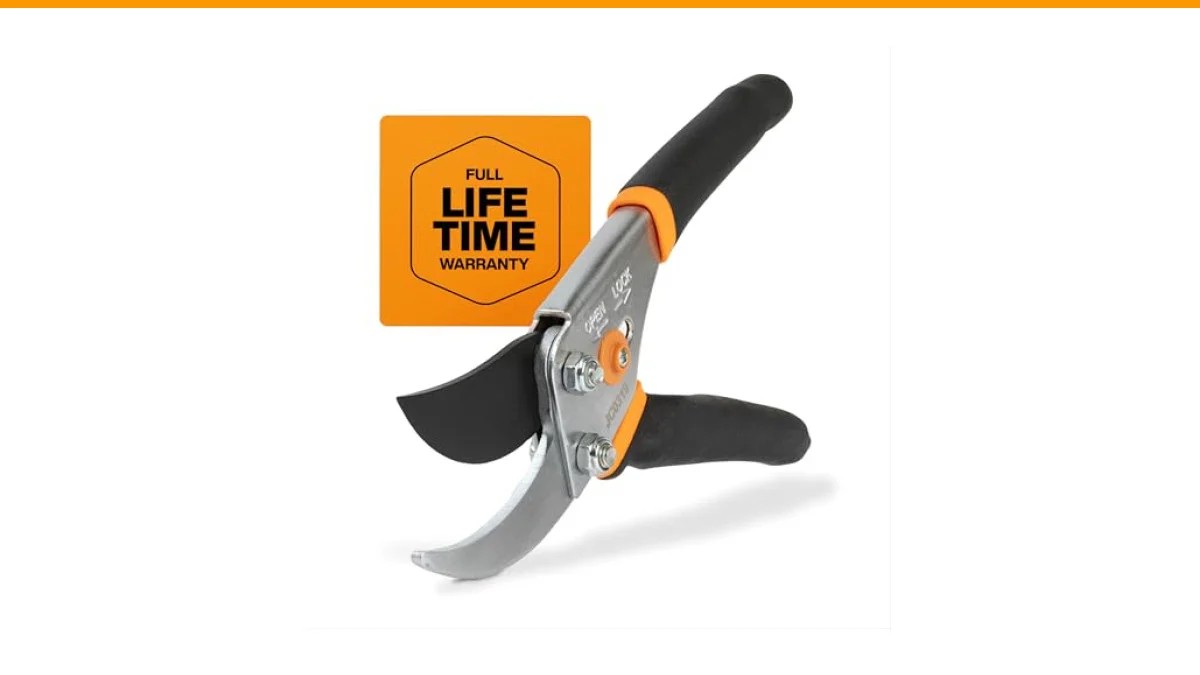
Effective pruning requires the right tools and techniques. For detailed pruning tasks, consider using the Fiskars Bypass Pruning Shears. These shears feature a bypass blade design, perfect for cutting delicate flower stems and green growth, which helps reduce damage to your plants.

Fiskars
Fiskars Bypass Pruning Shears, 5/8" Cut Capacity Garden Clippers
- CLEAN CUTS FOR LIVE GROWTH: Bypass blade design is ideal for pruning delicate flower stems and green growth, helping reduce crushi…
- BLADES STAY SHARP: Precision-ground steel blades are engineered to stay sharp through heavy use, & all-steel construction provides…
- SMART BLADE FEATURES: Blade coating helps reduce friction for smoother cuts, minimizes sap buildup & gumming, and enhances resista…
Understanding the Timing of Spring Pruning
Timing is everything in gardening. Spring pruning is typically performed from late March to early May, depending on your climate zone. The goal is to prune before new growth begins, allowing plants to heal before they start to leaf out. Here are some guidelines:
- Late Winter to Early Spring (March): Ideal for deciduous trees and shrubs. Pruning during this time encourages vigorous growth.
- Early Spring (April): Focus on flowering plants that bloom in summer. Prune them just before their growing season.
- Late Spring (May): Avoid pruning spring-blooming shrubs until they finish flowering to avoid cutting off blooms.
Essential Techniques for Effective Pruning
Using proper techniques ensures clean cuts, which promotes quicker healing. Here are some key methods to follow:
- Make Clean Cuts: Always use sharp tools. Clean cuts minimize damage and promote healing. The Fiskars Bypass Pruning Shears are excellent for this.
- Cut at an Angle: Angled cuts prevent water from pooling on the cut surface, reducing the risk of rot.
- Remove Dead or Diseased Branches: Cut these back to healthy tissue to prevent the spread of disease.
- Thin Out Overgrown Areas: Remove crossing branches and those that crowd the center of the plant to improve air circulation.
Choosing the Right Plants for Spring Pruning
Not all plants require the same pruning approach. Here’s a breakdown of popular types and their specific needs:
| Plant Type | Best Pruning Time | Pruning Focus |
|---|---|---|
| Deciduous Trees | Late Winter to Early Spring | Remove dead, damaged, or crossing branches |
| Evergreen Shrubs | Early Spring | Shape and thin out |
| Flowering Perennials | After Flowering | Remove spent blooms and dead foliage |
| Fruit Trees | Late Winter to Early Spring | Promote fruiting wood and remove dead branches |
Common Questions About Spring Pruning
1. How much of the plant should I prune?
Generally, you should remove about 25-30% of a plant’s growth during spring pruning. This helps rejuvenate the plant without shocking it.
2. What tools do I need for spring pruning?
The essential tools include bypass pruners, loppers for thicker branches, and a pruning saw for larger limbs. The Fiskars Bypass Pruning Shears are perfect for everyday use.
3. Can I prune in wet weather?
It’s best to avoid pruning in wet conditions as this can increase the risk of disease. Wait for dry days for the best results.
4. What if I prune too late?
Pruning too late can result in reduced flowering or fruiting. If you miss the optimal window, you can still prune, but be cautious of removing too much of the plant.
5. Should I seal pruning cuts?
In most cases, it’s not necessary to seal cuts. Plants have natural healing abilities, and sealing can sometimes trap moisture and promote rot.
Final Tips for Successful Spring Pruning
- Always use sharp tools to ensure clean cuts.
- Prioritize safety; wear gloves and eye protection.
- Keep your pruning shears clean to avoid disease spread.
- Prune with a purpose; have a clear vision of the plant’s shape and health.
- Don’t prune all at once; take breaks to assess your progress.
- Follow up with proper care, including watering and fertilizing as needed.
- Consult specific guides for particular plants to tailor your approach.
Spring pruning can feel overwhelming, but with the right tools and knowledge, you’ll set your garden up for success. For additional gardening tools, explore our guide on best garden tool organizers to keep your space tidy and efficient.