Understanding Frost Dates by ZIP Code: A Gardener’s Guide
Contents
Many gardeners face the same dilemma: when is the best time to plant? Timing is critical, especially when it comes to the risk of frost. Knowing your local frost dates can mean the difference between a thriving garden and a failed crop. Whether you are a seasoned gardener or a novice, understanding frost dates can help you make informed decisions about planting schedules, seed selection, and crop management.
In this guide, you will learn how to find frost dates by ZIP code, the significance of these dates, and practical tips for using this information to maximize your gardening success.
CDM Planning
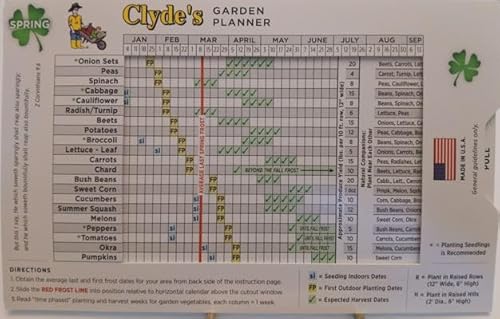
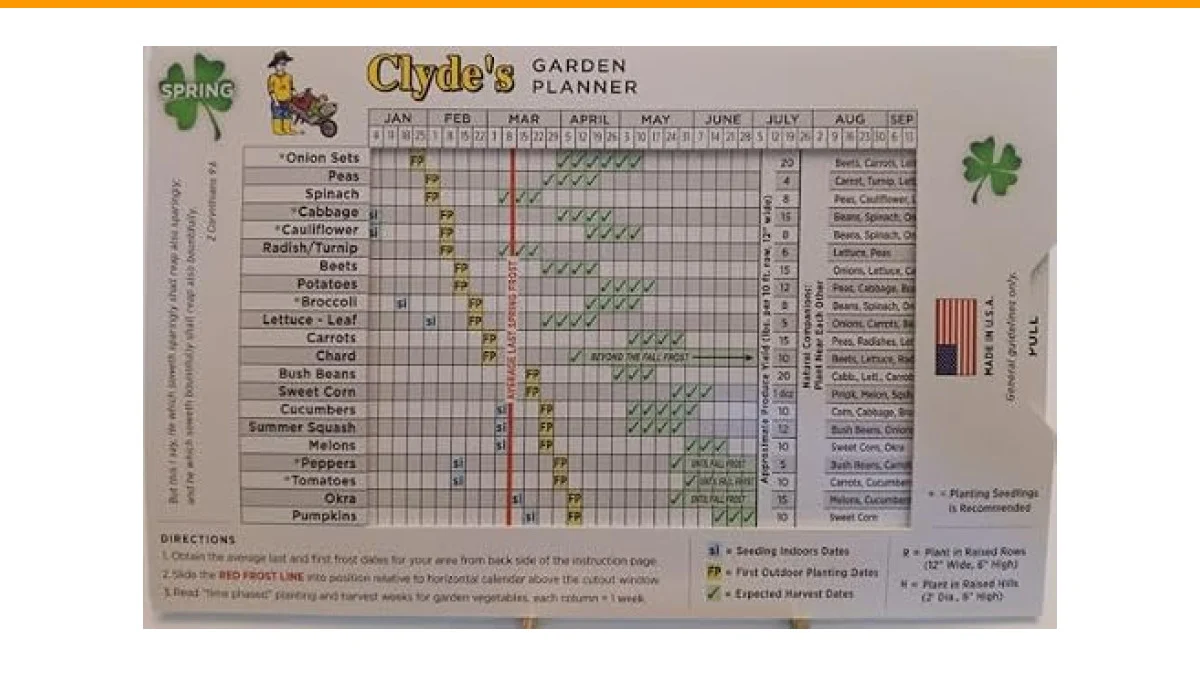
CDM Planning Clyde's Garden Planner - Vegetable Planting Slide Chart, (UNDATED), Perpetual Garden Planner
- Chart Provides Both Indoor and Outdoor Seeding Dates for 22 Commonly Grown Garden Veggies, (Chart Size = 51/8" x 81/2", 12 Point C…
- Comes with listing of Local Spring & Fall Frost Dates, USA and Canada (Has a Sliding Frost Line)
- Gives Seed Quantity, Seeding Dimensions: Planting Depths, Distance Between Rows & Between Plants, Essential Tool for any Gardener,…
For those looking for a handy tool, consider the CDM Planning Clyde’s Garden Planner. This vegetable planting slide chart not only provides indoor and outdoor seeding dates for 22 commonly grown garden veggies but also includes local spring and fall frost dates for the USA and Canada. It’s a compact, essential tool for any gardener.
What Are Frost Dates and Why Do They Matter?
Frost dates refer to the average dates of the last frost in spring and the first frost in fall for a specific area. These dates vary widely based on geographical location, elevation, and microclimates. Understanding these dates helps gardeners plan their planting schedules effectively. Here’s why they matter:
- Risk Management: Planting too early or too late can expose sensitive plants to frost damage.
- Crop Selection: Some plants are more frost-sensitive than others. Knowing frost dates helps in choosing the right plants for your area.
- Maximizing Yield: Proper timing can lead to better growth and higher yields.
How to Find Frost Dates by ZIP Code
Finding frost dates by ZIP code is relatively straightforward. Here are the steps you can take:
- Online Tools: Websites like The Old Farmer’s Almanac and Our Garden Works offer frost date lookup tools. Simply input your ZIP code to get accurate frost dates.
- Local Extension Services: Many universities have agricultural extension services that provide frost date information tailored to your area.
- Community Knowledge: Local gardening clubs or community groups can also be a valuable resource for understanding local frost patterns.
Once you know your frost dates, you can make informed planting decisions.
Understanding the Frost Date Calendar
Frost dates typically fall into two categories: the last frost date in spring and the first frost date in fall. Here’s a breakdown:
- Last Frost Date: This is the date when the risk of frost has generally passed, allowing for the safe planting of frost-sensitive crops. In many areas, this date ranges from late March to mid-June.
- First Frost Date: This date marks the beginning of frost risk in the fall. It usually occurs between late September and mid-November.
To give you a clearer idea, below is a comparison of frost dates based on different ZIP code ranges. Note that these are approximate and can vary annually.
| ZIP Code Range | Last Frost Date | First Frost Date |
|---|---|---|
| 10001-10099 | April 15 | October 31 |
| 20001-20099 | April 10 | November 1 |
| 30001-30099 | April 15 | October 15 |
| 40001-40099 | April 20 | October 10 |
Common Questions About Frost Dates
1. How do I know if my area has a late frost?
You can monitor local weather forecasts, check historical frost data, and consult gardening resources specific to your region to assess the likelihood of late frosts.
2. Can I plant before the last frost date?
Yes, but exercise caution. Some hardy plants can withstand light frosts. If you choose to plant early, consider using row covers or protective structures to shield them from unexpected frost.
3. What should I do if a frost is forecasted after planting?
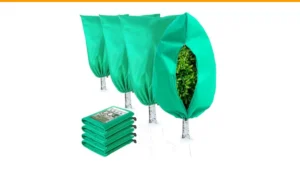
Cover your plants with blankets, sheets, or frost cloths to protect them from frost damage. Watering the soil before a frost can also help; moist soil retains heat better than dry soil.
4. Are there any zone maps to help with frost dates?
Yes, USDA Plant Hardiness Zone Maps provide a good guideline for understanding your local climate and frost dates.
5. How can I adjust my planting schedule based on frost dates?
Use the frost dates to create a planting calendar. Start seeds indoors or plant cold-hardy crops before the last frost date, and plan to harvest before the first frost date.
Final Actionable Insights
- Use tools to find frost dates by ZIP code.
- Choose crops that suit your local frost dates.
- Monitor weather patterns for late frost risks.
- Consider using protective measures for early plantings.
- Stay informed through community and educational resources.
- Utilize the Gardening Pleasure site for gardening tips.
- Check the current price for the CDM Planning Clyde’s Garden Planner.