
Vegetable Garden Planning Guide by Month
Contents
Imagine stepping into your backyard and seeing rows of vibrant vegetables ready for harvest. It’s a rewarding feeling that many gardeners cherish. Yet, achieving this result requires thoughtful planning and timing. Navigating the seasons, understanding plant cycles, and knowing when to sow and harvest can make or break your gardening success.
This vegetable garden planning guide by month will equip you with the knowledge to plan your garden effectively. You’ll learn what to plant each month, how to prepare your soil, and what conditions matter most. By the end of this guide, you’ll be ready to take control of your garden and enjoy the fruits of your labor.

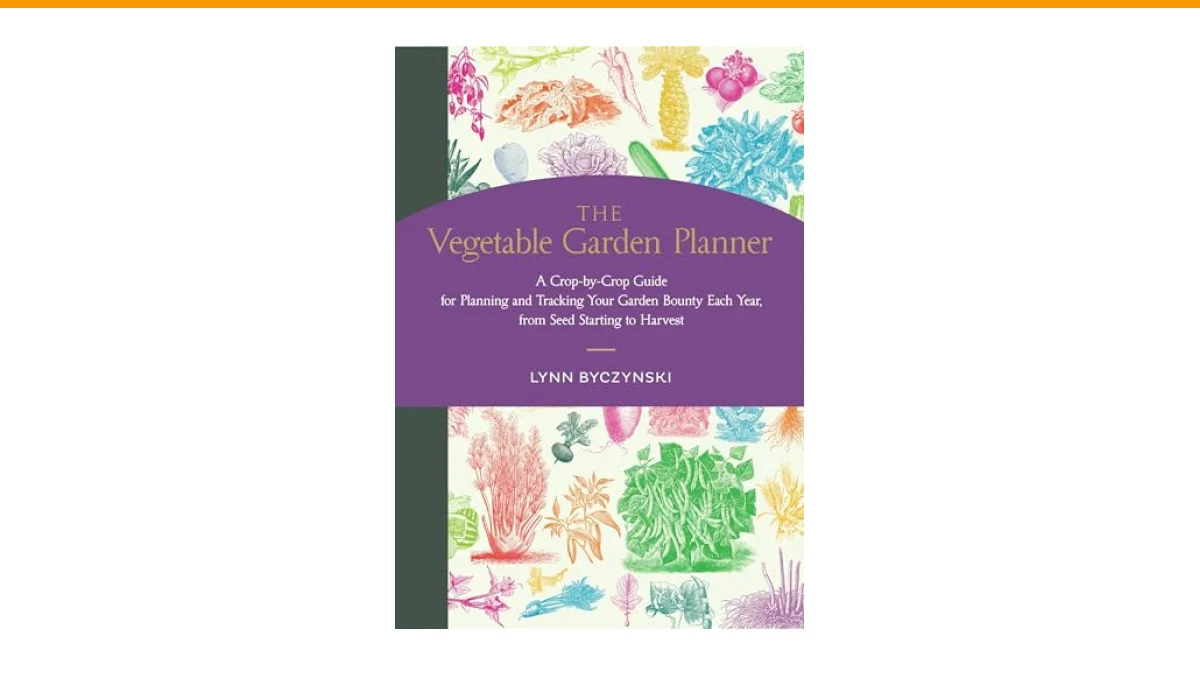
For those who want to streamline their gardening efforts, The Vegetable Garden Planner: A Crop-by-Crop Guide for Planning and Tracking Your Garden Bounty Each Year, from Seed Starting to Harvest offers practical insights and tracking tools to help you manage your garden with ease.
Let’s break down the vegetable garden planning process month by month.
January: Planning and Preparation
January is the month for dreaming and planning. Start by reviewing your successes and failures from last year. Make a list of what you want to grow this year, considering your family’s preferences and what your local climate allows.
Consider starting seeds indoors for early crops like tomatoes and peppers. They need around 6-8 weeks before the last frost. Ensure you have adequate grow lights or a sunny window spot for these seedlings.
February: Seed Starting
In February, continue sowing seeds indoors. Lettuce, broccoli, and cauliflower can also be started indoors this month. As the weather starts to warm up, you can begin planning your outdoor garden layout.
Check your garden tools, clean them, and gather supplies such as soil, compost, and mulch. Preparing your garden beds now will save time later.
March: Outdoor Planting Begins
March is a turning point. Once the soil reaches at least 50°F, you can start planting cool-season crops like peas, spinach, and radishes directly in the ground. If your area has a mild climate, consider setting out onion sets or shallots.
Don’t forget to harden off your indoor seedlings. Gradually expose them to outdoor conditions over a week or two to prepare them for transplanting.
April: Planting and Maintenance
April is the time for action. Transplant your hardened seedlings outdoors. You can start planting carrots, beets, and turnips too. As the soil warms, you can also sow beans, corn, and squash directly into your garden.
Regular maintenance becomes crucial now. Weeding, watering, and monitoring for pests will help your plants thrive. Consider using row covers to protect young plants from unexpected frosts.
May: Full Swing Planting
May is often the last frost month in many regions, allowing you to plant warm-season crops. Transplant tomatoes, peppers, and eggplants into the garden. Direct sow cucumbers, melons, and summer squash.
Also, implement a watering schedule. Young plants need consistent moisture, especially during dry spells.
June: Growth and Care
In June, your garden is likely in full bloom. Regularly check for pests and diseases. This month, you can start a second planting for fast-growing crops like bush beans and radishes.
Mulch around your plants to retain moisture and suppress weeds. This practice can significantly reduce the time spent on garden maintenance.
July: Mid-Season Harvest
July is prime harvesting time for early crops. Enjoy the fruits of your labor with lettuce, peas, and radishes. Continue caring for your garden by watering deeply and regularly.
Consider starting your fall garden this month. Sow seeds for late-season crops like kale, beets, and carrots.
August: Late Summer Tasks
August is about maintaining your garden. Harvest your summer crops and clean up spent plants. This is a great time to plant your fall crops, especially in cooler climates.
Make sure to keep an eye on pests that might be more prevalent in late summer. Regular inspections will help you catch any issues early.
September: Fall Planting
In September, continue harvesting and start preparing for winter. If you live in a warmer area, you can still plant cool-season crops like spinach and radish. Start cleaning and organizing your tools and materials in preparation for the next season.
October: Wrapping Up
October is time to finish harvesting your late crops. Clean up your garden beds by removing dead plants and weeds. You may want to plant cover crops to enrich your soil over winter.
November: Garden Maintenance
In November, focus on maintenance. Repair any garden structures and organize your tools. It’s a great time to reflect on the past season and jot down notes for improvement next year.
December: Rest and Planning
December is a time for rest and reflection. Plan your next year’s garden based on what worked well and what didn’t. Order seeds early for the best selection.
| Month | Tasks | Crops |
|---|---|---|
| January | Planning, seed starting indoors | Tomatoes, peppers |
| February | Seed starting indoors | Lettuce, broccoli |
| March | Outdoor planting starts | Peas, spinach |
| April | Transplanting, direct sowing | Carrots, beans |
| May | Full planting | Tomatoes, corn |
| June | Weeding, watering | Beans, radishes |
| July | Harvesting, planting | Peas, kale |
| August | Maintenance | Fall crops |
| September | Harvesting | Spinach, radish |
| October | Clean up | Cover crops |
| November | Maintenance | N/A |
| December | Planning | N/A |
What are the best vegetables to plant in my region?
Best vegetables depend on your local climate. Most regions can grow tomatoes, peppers, and lettuce. Check local planting guides for specific recommendations.
How do I know when to plant my seeds?
Plant seeds after the last expected frost date in your area. You can find this information through local agricultural extensions or gardening websites.
What should I do if my plants are not growing well?
Check for pests, diseases, and soil quality. Sometimes, simply adjusting watering or fertilization can help. Consider testing your soil to understand nutrient levels.
How do I prepare my soil for planting?
Test your soil for pH and nutrient levels. Add organic matter like compost to improve texture and fertility. Tilling the soil before planting helps aerate it.
Can I grow vegetables in containers?
Yes, many vegetables thrive in containers. Choose varieties suited for pot growth, such as cherry tomatoes and salad greens, and use quality potting soil for best results.
Takeaways for Successful Gardening
- Start planning your garden in January.
- Sow seeds indoors for early crops.
- Transplant seedlings after hardening off.
- Maintain regular watering and weeding schedules.
- Harvest at peak ripeness for best flavor.
- Reflect on what worked and what didn’t after each season.
- Prepare soil and tools during off-seasons.
Using this vegetable garden planning guide by month, you can maximize your garden’s potential. With each month presenting unique opportunities, staying organized and informed will set you up for a successful gardening experience.


