Effective Summer Garden Pest Control: A Comprehensive Guide
Contents
Summer is a beautiful time for gardens, but it also brings an influx of pests that can wreak havoc on your hard work. Picture this: you’ve nurtured your plants all spring, only to find them covered in aphids or devoured by caterpillars. It’s a frustrating scenario many gardeners face. Pest control in summer is crucial not just for plant health, but for overall garden productivity.
This article will equip you with practical strategies and products to manage pests effectively. You’ll walk away with knowledge on preventive measures, natural and chemical solutions, and specific products to consider. We’ll cover everything from identifying common pests to using effective sprays like Mighty Mint Peppermint Oil Insect Repellent, ensuring your garden stays flourishing and pest-free.
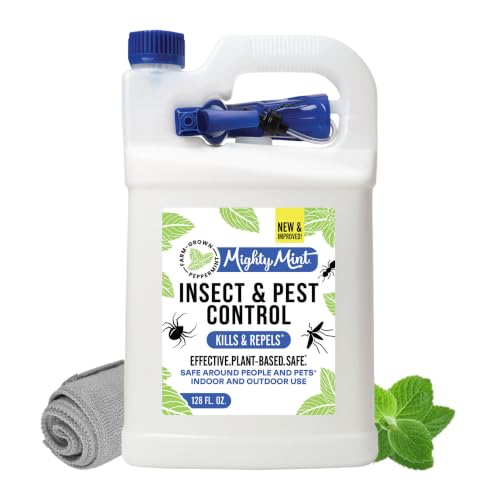
Mighty Mint
Mighty Mint Peppermint Oil Insect Repellent Spray, 1 Gallon (128 oz)
- Pet-Friendly & Family-Safe Formula – Mighty Mint is a top pick for pet parents looking for a natural, pest control solution. Safe…
- Powerful Plant-Based Pest Control – Formulated with extra-concentrated peppermint oil, this natural spray is a proven deterrent fo…
- Effective Indoor & Outdoor Use – Designed for versatile application on baseboards, entryways, patios, and other areas. Helps repel…
Mighty Mint offers a pet-friendly and family-safe formula, making it a great choice for those concerned about harsh chemicals. It’s effective against a variety of pests, including spiders and ants, and can be used both indoors and outdoors.

Identifying Common Summer Garden Pests
Before you can control pests, you need to know what you’re dealing with. Some of the most common garden pests in summer include:
- Aphids: Small, soft-bodied insects that feed on plant sap, leading to wilting and stunted growth.
- Spider Mites: Tiny arachnids that can cause yellowing leaves and webbing.
- Caterpillars: Larval stage of moths and butterflies that can devour leaves rapidly.
- Whiteflies: Small, white flying insects that also feed on sap, often leaving a sticky residue on plants.
Recognizing these pests early can save your garden from significant damage. Regularly inspect your plants, focusing on the undersides of leaves where many pests like to hide.
Natural Pest Control Methods
Many gardeners prefer natural pest control methods to avoid chemicals. Here are some effective strategies:
- Neem Oil: Derived from the seeds of the neem tree, this oil disrupts the life cycle of pests and is effective against aphids and spider mites. Mix 2 tablespoons of neem oil with a gallon of water and spray on affected plants.
- Insecticidal Soap: This is a simple solution made from soap and water that can suffocate soft-bodied insects. Mix 1-2 tablespoons of pure liquid soap in a gallon of water and spray on pests.
- Companion Planting: Some plants repel pests naturally. For example, planting marigolds can deter nematodes, and basil can repel flies and mosquitoes.
- Diatomaceous Earth: This natural powder can kill crawling insects like ants and slugs. Sprinkle it around the base of plants, but be careful not to harm beneficial insects.
These methods are not only effective but also environmentally friendly.
Chemical Pest Control Options
When natural methods are insufficient, chemical options may be necessary. Always choose products that are least harmful to beneficial insects.
Some effective chemical options include:
- Pesticide Sprays: Look for targeted sprays that focus on specific pests while minimizing impact on beneficial insects.
- Granular Insecticides: These can be applied to the soil and are effective against soil-dwelling pests.
- Systemic Insecticides: These are absorbed by plants and can provide longer-lasting protection against pests.
Any chemical solution should be used as a last resort and applied following label instructions carefully.
Product Comparison Table
| Product | Type | Active Ingredient | Target Pests | Application Method |
|---|---|---|---|---|
| Mighty Mint Peppermint Oil Insect Repellent | Natural Spray | Peppermint Oil | Spiders, Ants, Roaches | Spray |
| Safer Brand Neem Oil | Natural Oil | Neem Oil | Aphids, Spider Mites | Spray |
| Bonide Insecticidal Soap | Chemical Spray | Soap | Aphids, Whiteflies | Spray |
| Ortho Granules | Chemical Granule | Imidacloprid | Soil Pests | Granular |
What are the most effective natural pest control methods?
Effective methods include neem oil, insecticidal soap, and companion planting. These approaches target pests without harming beneficial insects.
When should I apply pest control products?
Apply pest control products early in the morning or late in the evening when beneficial insects are less active. This reduces the risk of harming them.
Can I use chemical pest control in my vegetable garden?
Yes, but choose products labeled as safe for vegetables and follow application instructions closely to avoid residue on edible plants.
How often should I inspect my garden for pests?
Inspect your garden at least once a week. Increased monitoring during peak summer months helps catch infestations early.
Is Mighty Mint safe for pets?
Yes, Mighty Mint is pet-friendly when used as directed, making it a great choice for families with pets.
Actionable Takeaways
- Inspect your garden weekly for early signs of pests.
- Use natural methods like neem oil and insecticidal soap as first-line defenses.
- Consider applying pest control products in the early morning or late evening.
- Utilize companion planting to naturally repel pests.
- Choose pet-friendly products like Mighty Mint for safe pest management.
- Keep a record of pests and treatments to improve future strategies.
- Stay informed about new pest control methods and products to keep your garden healthy.
For more tips on managing your gardening tools and resources, check out our guides on best garden tool organizers and best garden tool organizers for raised beds.