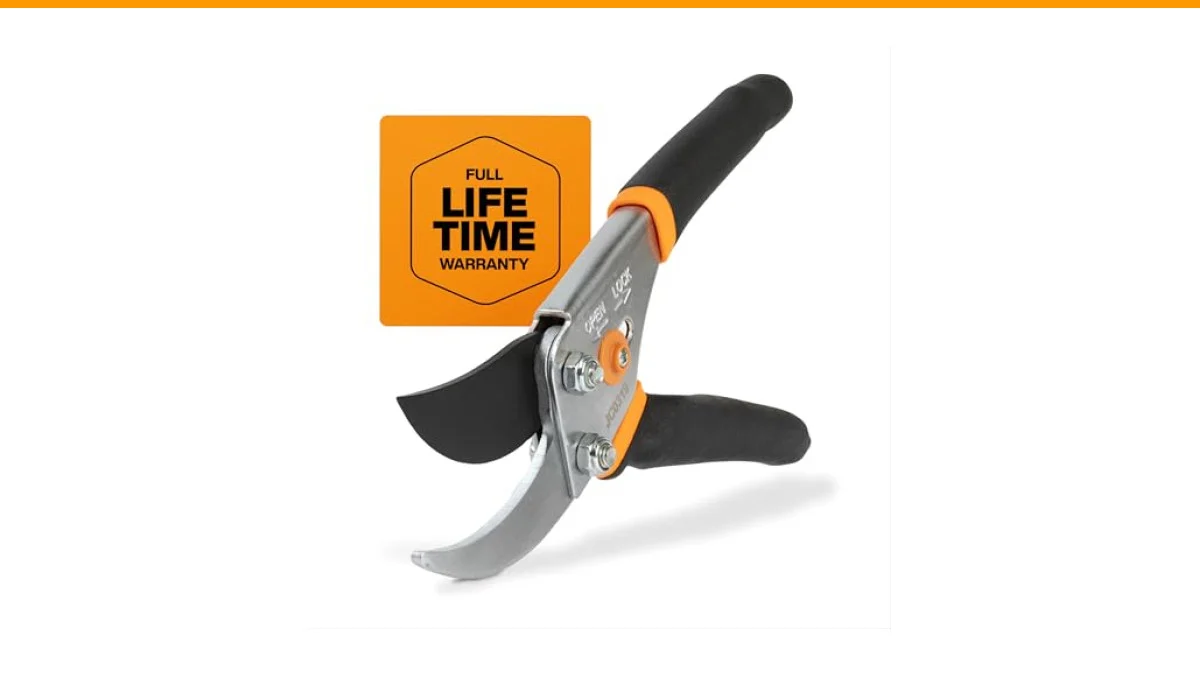
Spring is a time of renewal in the garden. As the weather warms and plants begin to bud, gardeners often feel the urge to tidy up their landscapes. However, pruning can be intimidating. Cutting back branches and stems might seem like a straightforward task, but a misstep can lead to stunted growth or even plant damage. This guide will clarify essential pruning techniques, timing, and tools you’ll need to ensure your garden flourishes.
You’ll walk away from this article with practical knowledge on when and how to prune various plants. Armed with this information, you can confidently prepare your garden for the growing season.
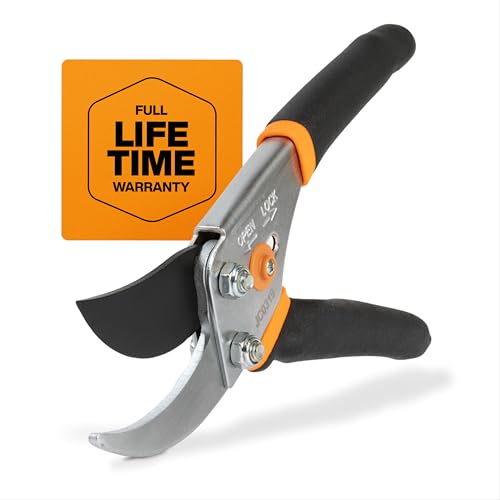
Fiskars
Fiskars Bypass Pruning Shears, 5/8" Cut Capacity Garden Clippers | Self-Cleaning Sap Groove Prevents Sticking, Non-Slip Grip for Cutting Stems & Branches, Steel Blades w/ Low-Friction Coating
- CLEAN CUTS FOR LIVE GROWTH: Bypass blade design is ideal for pruning delicate flower stems and green growth, helping reduce crushi…
- BLADES STAY SHARP: Precision-ground steel blades are engineered to stay sharp through heavy use, & all-steel construction provides…
- SMART BLADE FEATURES: Blade coating helps reduce friction for smoother cuts, minimizes sap buildup & gumming, and enhances resista…
One of the best tools for spring pruning is the Fiskars Bypass Pruning Shears. These shears offer a clean cut for live growth, minimizing damage to delicate stems and branches. With a cut capacity of up to 5/8 inches, they are ideal for various pruning tasks.
Understanding When to Prune
Timing is critical when it comes to pruning. Different plants have specific pruning windows to maximize their health and appearance.
- Late Winter to Early Spring: Most deciduous trees and shrubs benefit from pruning during their dormant period. This includes rose bushes and fruit trees.
- Spring Bloomers: For plants that bloom in spring, such as lilacs and forsythia, prune them after flowering to avoid cutting off next year’s buds.
- Summer Bloomers: Plants like hydrangeas and butterfly bushes should be pruned in late fall or early spring before new growth begins.
Common Pruning Techniques
Pruning isn’t just about removing branches; it’s a technique that can shape and enhance plant health. Here are some common methods:
- Thinning: This involves removing entire branches to reduce density. Thinning improves air circulation and light penetration, essential for healthy growth.
- Heading Back: Cutting back the tips of branches encourages bushier growth. This technique is often used on shrubs to maintain size and shape.
- Rejuvenation: For overgrown shrubs, cutting back to ground level can invigorate new growth. This method is best done in late winter.
Tools for Effective Pruning
Using the right tools can make a significant difference in your pruning experience. Here are some essential tools:
- Bypass Pruners: Ideal for live growth, these pruners provide clean cuts, reducing plant damage.
- Loppers: These are essential for cutting thicker branches. They offer leverage and longer handles for better reach.
- Saws: A pruning saw is necessary for larger branches too thick for loppers.
Common Misconceptions About Pruning
Many believe that cutting back plants hard in spring will promote growth, but this isn’t always true. Here are a few misconceptions worth addressing:
1. Pruning Always Stimulates Growth
While pruning can encourage new growth, over-pruning or cutting at the wrong time can stress plants. It’s crucial to know the specific needs of each plant type.
2. More Cuts Mean Better Results
Quality over quantity is key. Making fewer, more strategic cuts often leads to better outcomes than random snipping.
3. You Should Prune Every Plant in Spring
Not all plants require spring pruning. Some, like evergreens, need little to no pruning during this time. Knowing your plants’ requirements is essential.
| Plant Type | Best Pruning Time | Recommended Technique |
|---|---|---|
| Roses | Late Winter to Early Spring | Thinning and Heading Back |
| Forsythia | After Blooming | Thinning |
| Hydrangeas | Late Fall or Early Spring | Rejuvenation |
Frequently Asked Questions
1. What tools do I need for spring pruning?
Basic tools include bypass pruners, loppers, and a pruning saw. Each serves specific purposes, so choose based on the branches you plan to cut.
2. Can I prune my plants too much?
Yes, over-pruning can lead to stress and weaken plants. Always research the specific needs of each plant before pruning.
3. Is it necessary to sterilize pruning tools?
Yes, sterilizing tools with rubbing alcohol or bleach helps prevent the spread of diseases between plants.
4. How can I tell if a plant needs pruning?
Look for dead or diseased branches, excessive growth, or a lack of blooms. These are signs that pruning may be beneficial.
5. What happens if I prune at the wrong time?
Pruning at the wrong time can remove buds or flowers, negatively impacting a plant’s growth and flowering for the season.
Essential Tips for Successful Spring Pruning
- Research each plant type for specific pruning needs.
- Use clean, sharp tools to make precise cuts.
- Learn the difference between summer and spring bloomers.
- Don’t prune if the weather is excessively wet or cold.
- Consider the shape and health of the plant before making cuts.
Spring pruning is an art that, when done correctly, can lead to a thriving garden. With the right techniques and tools, you’ll set your plants up for success this growing season. For more gardening tools and tips, check out our articles on best garden tool organizers and best weeder for bulldog pruning.